We are developing the social individualist meta-context for the future. From the very serious to the extremely frivolous... lets see what is on the mind of the Samizdata people.
Samizdata, derived from Samizdat /n. - a system of clandestine publication of banned literature in the USSR [Russ.,= self-publishing house]
|
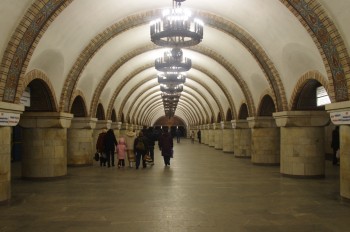 Kiev, Ukraine. January 2013 Kiev, Ukraine. January 2013
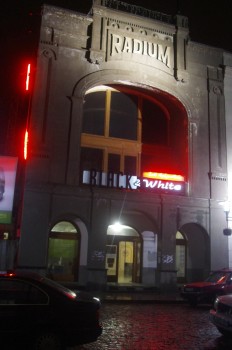 Kutaisi, Georgia. January 2013 Kutaisi, Georgia. January 2013
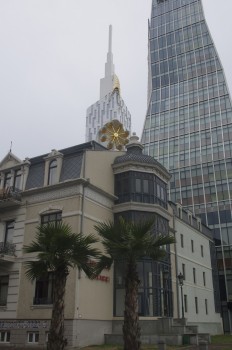 Batumi, Adjara. January 2013 Batumi, Adjara. January 2013
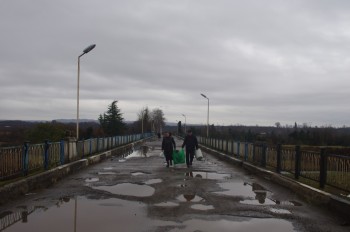 Inguri Bridge, January 2013 Inguri Bridge, January 2013
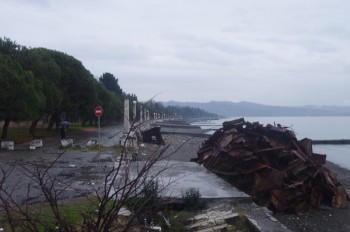 Sukhomi, Abkhazia. January 2013 Sukhomi, Abkhazia. January 2013
 Yerevan, Armenia. February 2013 Yerevan, Armenia. February 2013
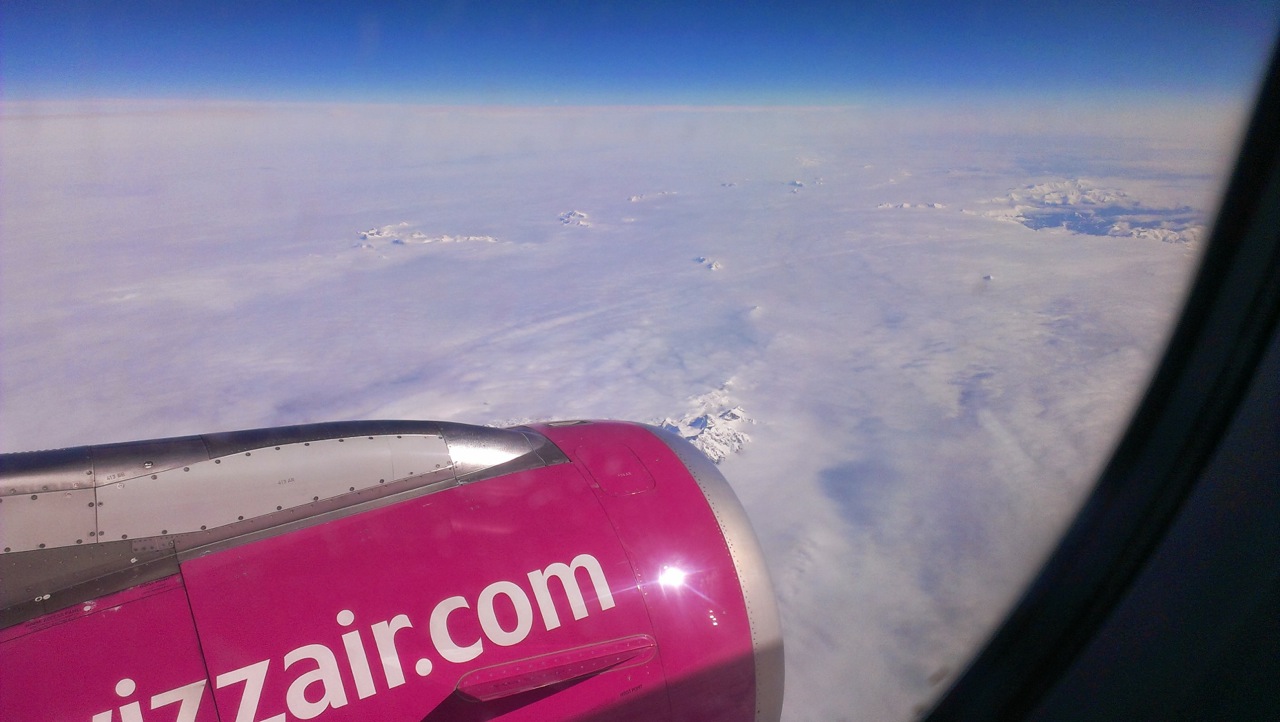
 38,000 feet. February 2013 38,000 feet. February 2013
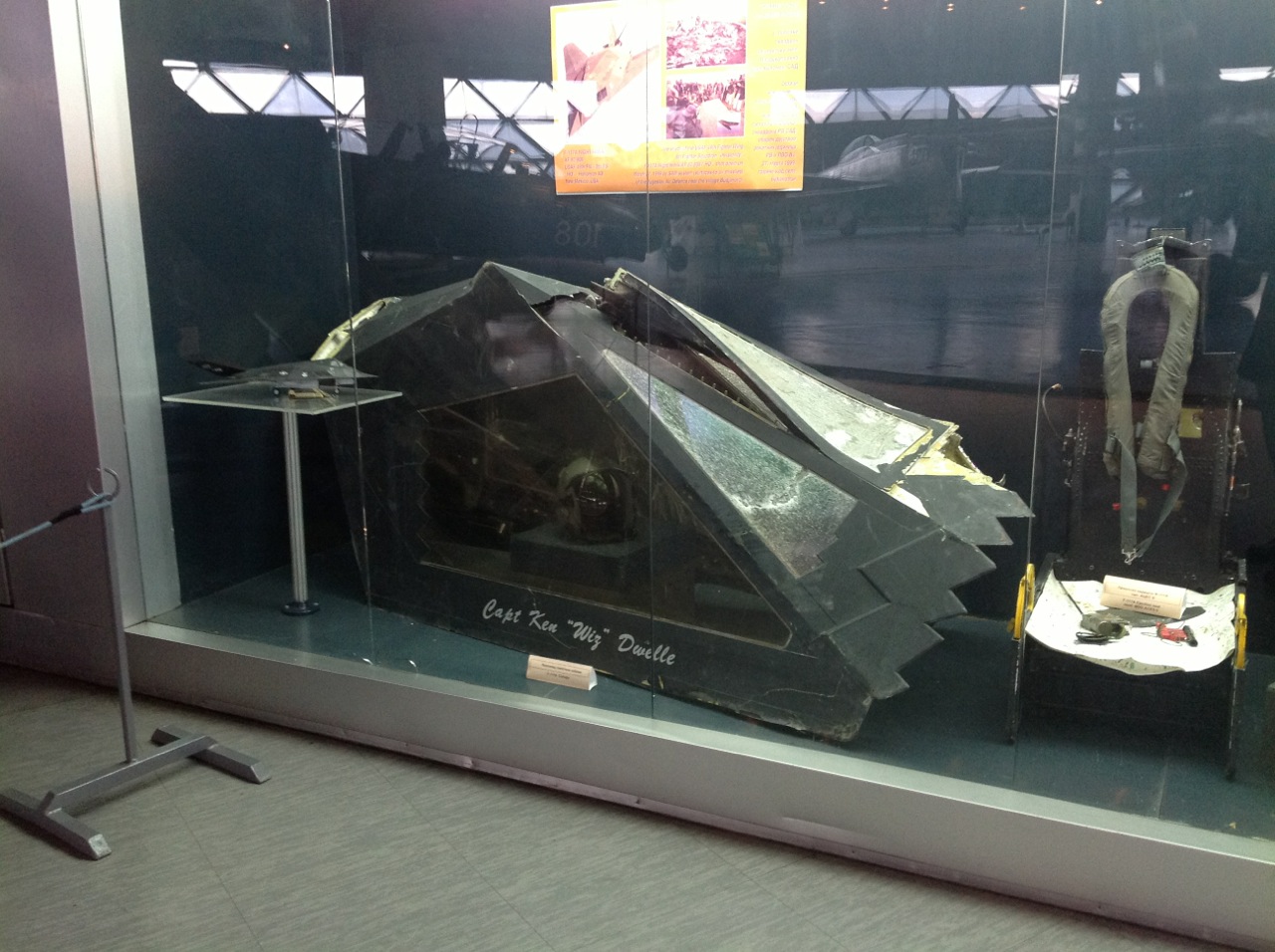
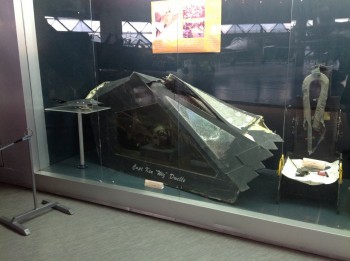 Belgrade, Serbia. February 2013 Belgrade, Serbia. February 2013
 Sarajevo, Federation of Bosnia and Herzegovina. March 2013 Sarajevo, Federation of Bosnia and Herzegovina. March 2013
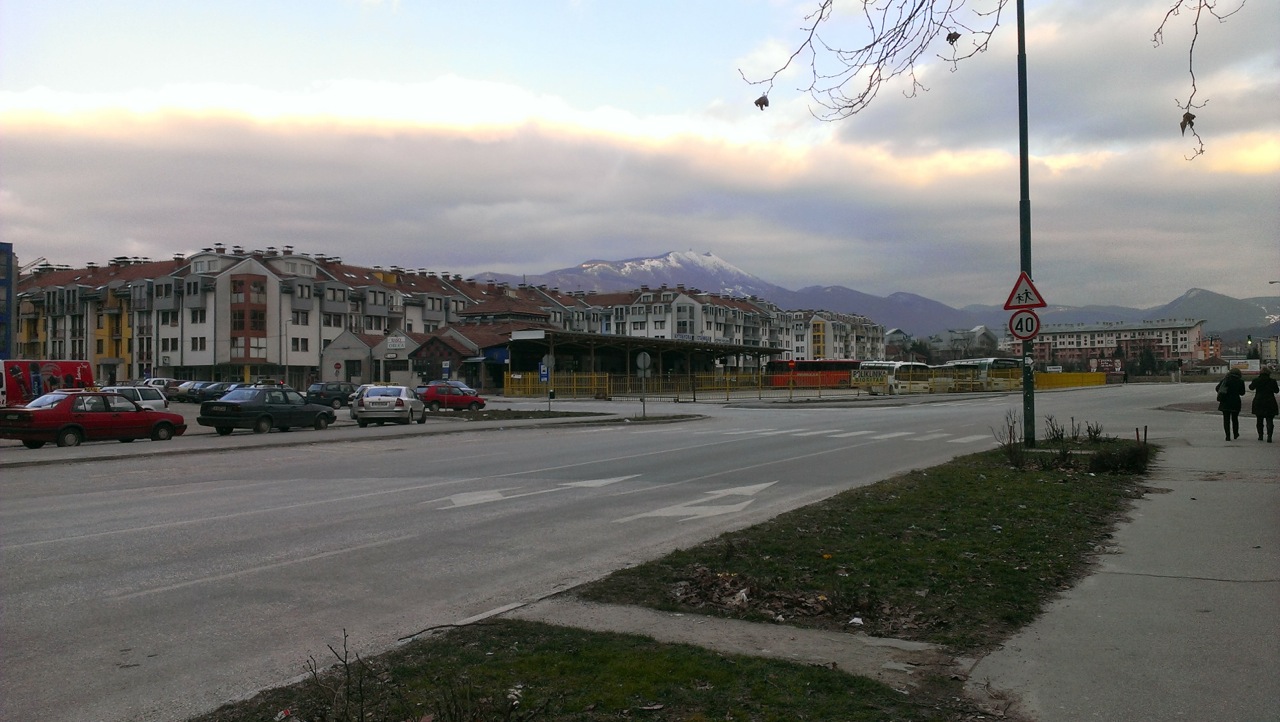
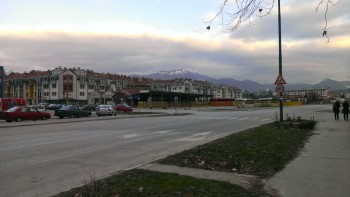 Istočno Sarajevo, Republic Srpska. March 2013 Istočno Sarajevo, Republic Srpska. March 2013
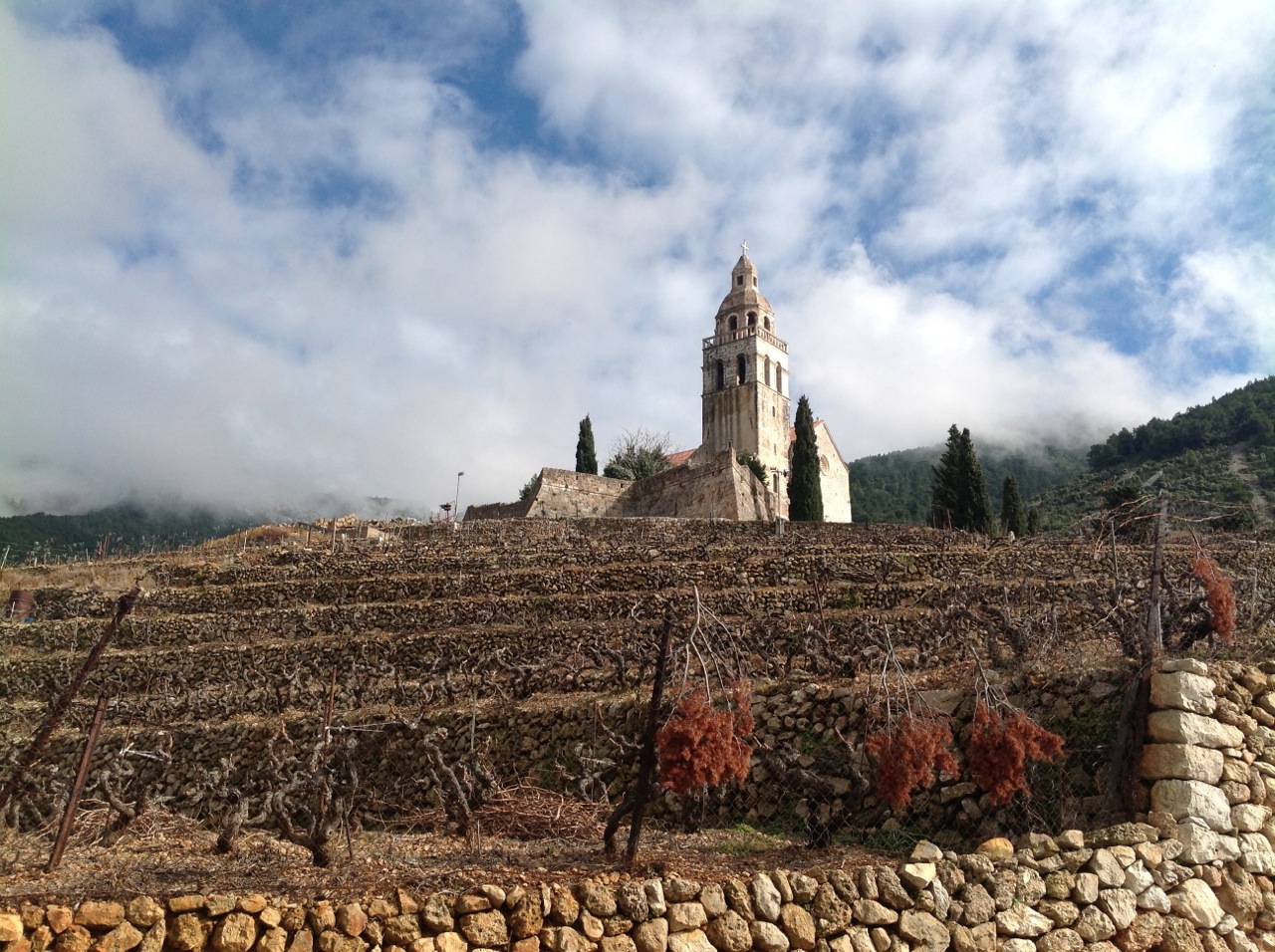
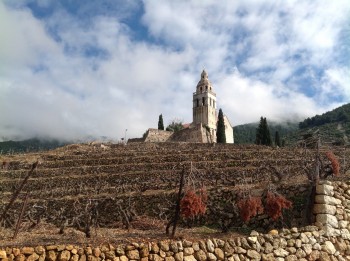 Vis Island, Croatia. March 2013 Vis Island, Croatia. March 2013
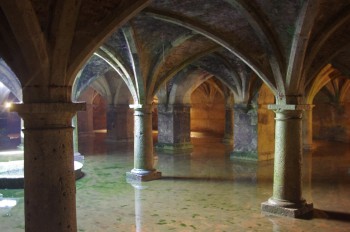 Al Jadida, Morocco. April 2013 Al Jadida, Morocco. April 2013
 Warsaw, Poland. May 2013 Warsaw, Poland. May 2013
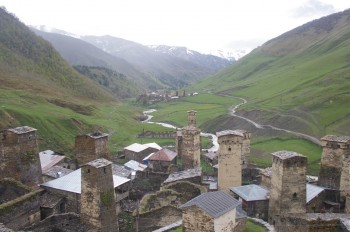 Ushguli, Georgia. May 2013 Ushguli, Georgia. May 2013
 Nowa Carczma, Vistula Spit. June 2013 Nowa Carczma, Vistula Spit. June 2013
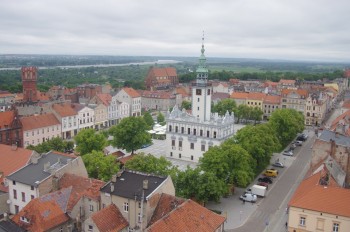 Chełmno, Poland. June 2013 Chełmno, Poland. June 2013
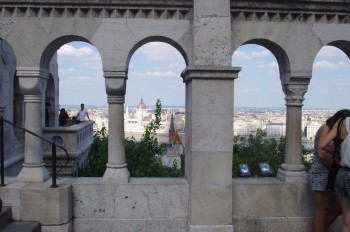 Budapest, Hungary. July 2013 Budapest, Hungary. July 2013
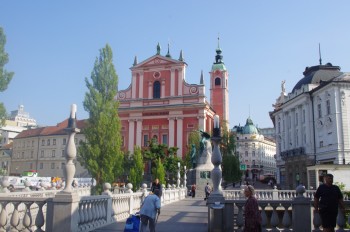 Ljubljana, Slovenia. July 2013 Ljubljana, Slovenia. July 2013
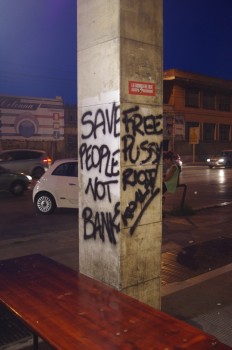 Bari, Italy. July 2013 Bari, Italy. July 2013
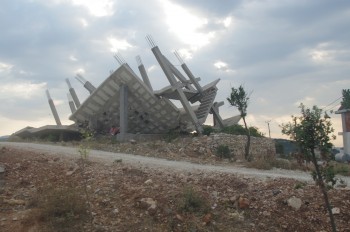 Ksamil, Albania. July 2013 Ksamil, Albania. July 2013
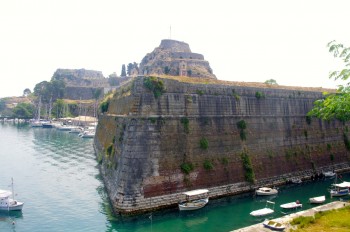 Kerkyra, Greece. July 2013 Kerkyra, Greece. July 2013
 Corfu Channel. July 2013 Corfu Channel. July 2013
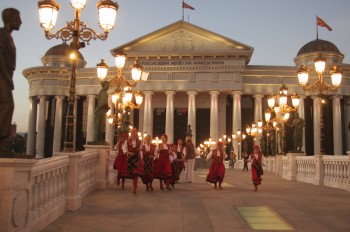 Skopje, Macedonia. July 2013 Skopje, Macedonia. July 2013
 Sanctuary Cove, Australia. August 2013 Sanctuary Cove, Australia. August 2013
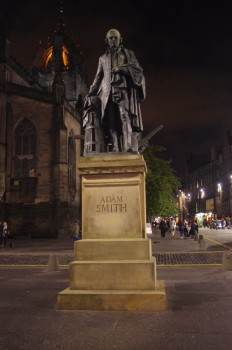 Edinburgh, Scotland. September 2013 Edinburgh, Scotland. September 2013
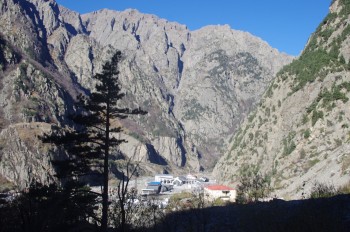 Darial Gorge. October 2013 Darial Gorge. October 2013
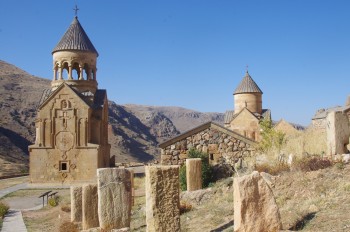 Noravank, Armenia. October 2013 Noravank, Armenia. October 2013
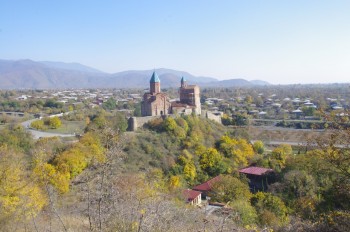 Gamla, Georgia. November 2013 Gamla, Georgia. November 2013
 Katowice, Poland. November 2013 Katowice, Poland. November 2013
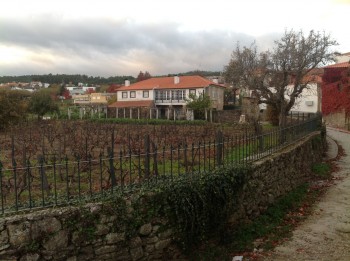 Sabrosa, Portugal. November 2013 Sabrosa, Portugal. November 2013
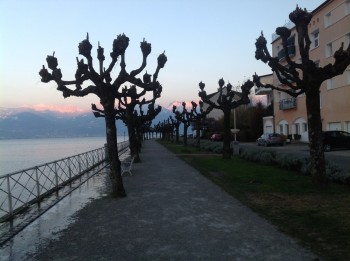 Saint-Gingolph, France. November 2013 Saint-Gingolph, France. November 2013
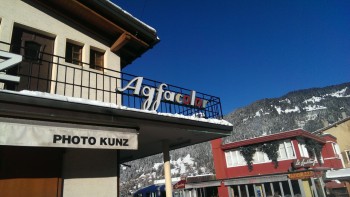 Villars, Switzerland. November 2013 Villars, Switzerland. November 2013

Inezgane, Morocco. December 2013
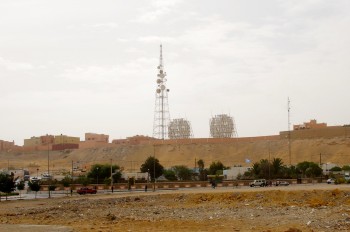 Laayoune, Western Sahara. December 2013 Laayoune, Western Sahara. December 2013
I see that Instapundit has become aware of Parkinson’s Other Law, the one about custom-built headquarters buildings. This is the law that says that any organisation which builds itself a brand new headquarters building is heading for disaster.
Instapundit links to a Wired piece about Apple’s new mega HQ, which does indeed look like a recipe for corporate disaster. This new Apple enormity looks a lot like the GCHQ building in Cheltenham, which was completed in 2003, after that organisation had participated successfully in two major wars – WW2 and Cold. But that Apple scheme has been around for a while. The latest HQ building news comes courtesy of Amazon:

Pity. I really like Amazon. I hope its death throes are prolonged enough not to derange me too much. I hope, that is to say, that in the near future, it is Amazon’s shareholders who suffer most of whatever Amazonian grief is about to erupt. However, I do fear that if, as a result of a share price collapse, Amazon then tries to be profitable, this might hurt us now-very-happy customers quite badly too.
Immediately after the Dezeen piece linked to above, about the new Amazon HQ, there came another piece, about a new Twitter HQ. But, although suspiciously well designed (hence it being noticed by Dezeen), this is to be in an already existing building that used to be a furniture store. This is the right way to contrive a new headquarters building, if you really must have such a thing at all.
Almost a decade ago now, the still much missed Findlay Dunachie did a posting here about the wicked sayings and doings of Communist academics and supporters and subverters in America, some of whom were then trying to expunge from the historical record their long catalogue of blunder and subterfuge and just plain evil. Earlier this year I encountered this posting again, and recycled its particularly eloquent opening sentences as a Samizdata quote of the day.
But this posting contained other things that were perhaps even more memorable than those opening sentences, namely two lists of the bad communists and communist sympathisers in question. List One: The Academics. List Two: The Spies. May they live in infamy.
I was reminded of those lists when I recently encountered another such list, this other list being a roll of honour rather than of dishonour. It appears towards the end of Deirdre McCloskey’s book Bourgeois Dignity, which was published in 2010. (The Anton Howes talk that I flagged up here recently is pretty much Anton Howes channelling this book.)
What is this book about? Well, one way to describe it would be for its author to list all the people whose ideas she approves of and is herself channelling.
So, that’s what she does, on page 400:
My theme in short is the true liberal one of the de la Court brothers, Richard Overton, John Lilburne, William Walwyn, Thomas Rainsborough, Richard Rumbold, Spinoza, Dudley North, Algernon Sidney, Locke, Voltaire, Hume, Turgot, Montesquieu, Adam Ferguson, Smith, Thomas Paine, Destutt de Tracy, Jefferson, Madame de Stael, Benjamin Constant, Wilhelm von Humboldt, Charles [not Auguste] Comte, Charles Dunoyer, Malthus, Ricardo, Harriet Martineau, Tocqueville, Giuseppe Mazzini, Frederic Bastiat, Mill, Henry Maine, Richard Cobden, Elizabeth Cady Stanton, Cavour, Johan August Gripenstedt, Herbert Spencer, Lysander Spooner, Karl von Rotteck, Johan Rudolf Thorbecke, Carl Menger, Lord Acton, Josephine Butler, Knut Wicksell, Luigi Einaudi, H. L. Mencken, Johan Huizinga, Frank Knight, Ludwig von Mises, Willa Cather, Rose Wilder Lane, Walter Lippmann until the 1950s, Nora Zeale Hurston, Karl Popper, Isaiah Berlin, Michael Polanyi, Friedrich Hayek, Raymond Aron, Henry Hazlitt, Bertrand de Jouvenel, Ronald Coase, Milton, Rose, and son David Friedman, Murray Rothbard, James Buchanan, Ludwig Lachmann, Gordon Tullock, Thomas Sowell, Joan Kennedy Taylor, Roy A. Childs, Julian Simon, Israel Kirzner, Vernon Smith, Wendy McElroy, Norman Barry, Loren Lomasky, Tibor Machan, Anthony de Jasay, Douglas Den Uyl, Douglas Rasmussen, Deepak Lal, Chandran Kukathas, Ronald Hamowy, Tom Palmer, Don Lavoie, David Boaz, Richard Epstein, Tyler Cowen, David Schmidtz, Donald Boudreaux, Peter Boettke, and the young Robert Nozick. It is the obvious and simple system of natural liberty. It contradicts the aristocratic sneering by conservatives at innovations and at the bourgeoisie, or the clerical sneering by progressives at markets and at the bourgeoisie. The true-liberal claim is that unusual bourgeois dignity and personal liberty in northwestern Europe, and especially in Holland and then in Britain, made for unusual national wealth, by way of a revaluation of ordinary, bourgeois life.
Interesting, both for its inclusions and for its exclusions. Particular kudos to the very select few who need only be mentioned with one surname!
The most notable exclusion that commenters here may want to notice and opine about is Ayn Rand. Rand gets no mention either in the book’s index or in the list of works cited. My guess is that McCloskey’s attitude to Rand can be summarised as the claim that Rand contributed a minus quantity to our understanding of, to quote the title of McCloskey’s earlier book, The Bourgeois Virtues.
For me it is the inclusions in this list that are the most interesting. It makes me want to learn more, in particular, about the English men of the seventeenth century at the top of the list, and about all those Germanic sounding people, throughout, several of whose names are entirely new to me.
I’d be very interested to hear if anyone reading this list can honestly claim to have even heard of everyone on it. Paul Marks has, obviously, but … anyone else?
Happy Christmas to all who are reading this, and happy googling, of the who is he? sort, that this posting will, I hope, stimulate.
People in Shaoshan in China, the birthplace of Chairman Mao, are making good money selling keepsakes of history’s most prolific mass murderer. I find it odd that the BBC reporter doing a little video on that somehow neglected to ask “why are you selling souvenirs of a man responsible for murdering tens of millions of your fellow Chinese people?”
Actually I think we all know why that question never got asked.
Clearly Braunau am Inn in Austria is missing a trick.
If you are lucky enough to be permitted to cross the border from Sinuiju in (totalitarian) North Korea to Dandong in (horribly repressive, but at least they have food) China, one of the first things you will see is this.
 God bless Tesco. God bless Tesco.
My personal point of view is that if you hire a backwoods redneck fundamentalist Christian to star in your reality show, you should expect him to say the sort of things a backwoods redneck fundamentalist Christian might say – about gays, ducks, and other subjects.
Likewise, nobody should expect Snooki to start talking like she’s been possessed by Kate Middleton.
– Amy Alkon
Actual capitalism is thin on the ground. We have democratic and undemocratic socialism, democratic and undemocratic fascism, and miscellaneous varieties of corrupt cronyism. But to the extent that capitalism currently exists, it’s not free-market capitalism but chained-market capitalism, weighted down with laws and regulations – and then criticized for its inability to function efficiently.
Of course, even if capitalism hadn’t been chained down, we still might not see lunar resources being exploited. Not because of “market failure” but because of the market correctly deciding that it would currently cost more than it’s worth. There’s an old quote I wish I could find the source for. It applied to “market failure” regarding insurance for flood or hurricane damage but the same principle might apply here. “That isn’t ‘market failure’ – that’s the market working. That’s the market saying ‘Don’t build there! Are you crazy?'”
– Samizdata commenter ‘Deep Lurker’
I think people come to Chomsky and essentially worship him for precisely that reason. He allows them to feel justified in their refusal to think. They never have to ask themselves any difficult questions or provide any difficult answers. It’s a form of intellectual cowardice essentially, but I’m sure you can see its appeal.
This may be one of the reasons for Chomsky’s hostility to psychoanalysis. Psychoanalysis may be many things, but it is certainly a method of gaining self-knowledge, of asking difficult questions about one’s self and others. And that is precisely what he, and his followers, want to avoid.
– Benjamin Kerstein speaking with Michael Totten
Why outer space really is the final frontier for capitalism
The question is, why haven’t the moon’s resources been thoroughly plundered by now? Why hasn’t it provided us with the energy necessary to colonise the rest of space? I’ll tell you why: it’s because capitalism is weak and timid.
In principle, it shouldn’t be this way. Capitalism, said Rosa Luxemburg, always needs a periphery. There needs to be a non-capitalist outside to appropriate – new land, new resources, to provide profitable investment opportunities. Whether it takes the form of colonisation, privatising public goods, turfing peasants off their lands or creating “intellectual property”, there is a need to accumulate beyond the existing realm of capitalist property relations.
The geographer David Harvey points out that the world capitalist system needs to find $1.5tn profitable investment opportunities today in order to keep growing at its historical average of 3% a year. In 20 years’ time, it will need to find $3tn
Let he who dares accept the challenge in proper fashion. Still, betcha Richard Seymour will be the first to complain when the space barons do start exporting capitalist property relations where no man has gone before.
Tax evasion does not, of course, whatever Ritchie says, cost the world anything. We are still a closed system. That less money goes to governments does not mean that that money ceases to exist. It still gets spent or invested somewhere or other. Indeed, dependent upon what happens to that money, and how badly the government that didn’t get it would have spent it, tax evasion could, conceivably, result in an improvement in the human condition. But even leaving aside such an extreme (for example, someone takes the loot from tax evasion and invests it in a malaria vaccine, as opposed to the British Government which would have used £10 billion to build an NHS computer system that does nothing at all) it’s still true that tax evasion does not mean a loss for the world. Only a different distribution of the cash.
– Tim Worstall
The “Richie” he refers to is Richard Murphy, a self-styled campaigner against offshore financial centres, state-supporting socialist and champion of a fascistic-sounding concept, the “courageous state”.
One of his standard lines is attacking firms for obeying the letter of the law by registering in low-tax locations, such as, say, Luxembourg (a member of the European Union) and claiming that this is wicked, thereby demonstrating a strangely elastic concept of what is considered legitimate business practice. He is taken quite seriously on parts of the left, so I hear, and if we have another Labour-led government, he might be influential. Come to that, some of his ideas are even taken quite seriously by the Tories, so the partisan point should not be pressed too far.
We have a challenger! First it was “No smoke without fire”. Then “We will never know what really happened that night” became the passive-aggressive hint of choice for the modern feminist forced to contemplate a man somehow left unconvicted of rape despite being accused of it.
Now there is a fresh new contender. Diane Roberts!
Does the Heisman Trophy still stand for integrity after Jameis Winston’s win?
Although allegations of the football player committing rape resulted in no charges, we should reconsider who we call a hero.
It is probable that Diane Roberts did not write that standfirst. She definitely wrote this:
Much as we want to think we know Jameis Winston, we don’t. Maybe what happened that night was consensual, just like his lawyer says. Maybe it wasn’t. We don’t know. Nobody knows, except Jameis Winston and that young woman. There will always be a bruise on this glorious season of big scores and big awards, always an asterisk. And in Florida somewhere, there is a woman who’s not famous and who still maintains she was raped.
One of the intellectual highlights of my year has been hearing Anton Howes (whom I first noticed while noticing the Liberty League) expound the idea that the British industrial revolution was, at heart, an ideological event. The industrial revolution happened when it did and where it did because certain people in that place and at that time started thinking differently. To put it in Samizdata-speak, the metacontext changed. Particular people changed it, not just with the industrial stuff that they did, but with what they said and wrote.
I first heard Howes give this talk at my last Friday of the month meeting in July of this year. Happily, Simon Gibbs of Libertarian Home also heard Howes speak that night, and immediately signed him up to do a repeat performance, this time with a video camera running, for Libertarian Home at the Rose and Crown.
And the good news is that the video of this Howes talk at the Rose and Crown is now up and viewable at Libertarian Home. If spending half an hour watching a video does not suit, then you might prefer to read Simon’s extended summary of the talk. The same video is also up at YouTube.
I wrote a bit at my personal blog about that subsequent evening, and there is lots else I want to say about what Howes is saying. But one of the rules of blogging is not to let hard-to-write and consequently not-yet-actually-written pieces interrupt you putting up easier-to-write pieces that you actually can write and do write.
So: Anton Howes is a clever guy. Watch the video. And watch out for him and his work in the future.
|
Who Are We? The Samizdata people are a bunch of sinister and heavily armed globalist illuminati who seek to infect the entire world with the values of personal liberty and several property. Amongst our many crimes is a sense of humour and the intermittent use of British spelling.
We are also a varied group made up of social individualists, classical liberals, whigs, libertarians, extropians, futurists, ‘Porcupines’, Karl Popper fetishists, recovering neo-conservatives, crazed Ayn Rand worshipers, over-caffeinated Virginia Postrel devotees, witty Frédéric Bastiat wannabes, cypherpunks, minarchists, kritarchists and wild-eyed anarcho-capitalists from Britain, North America, Australia and Europe.
|
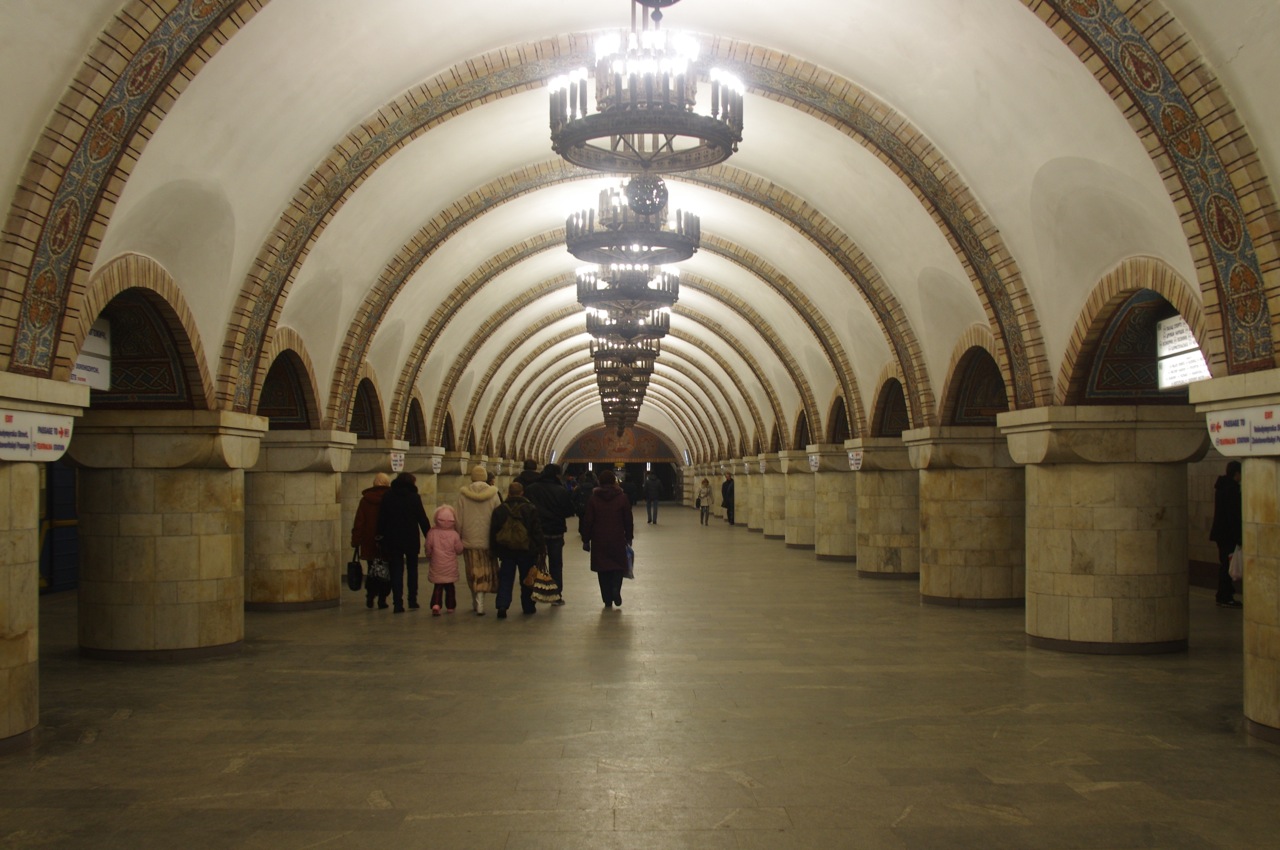 Kiev, Ukraine. January 2013
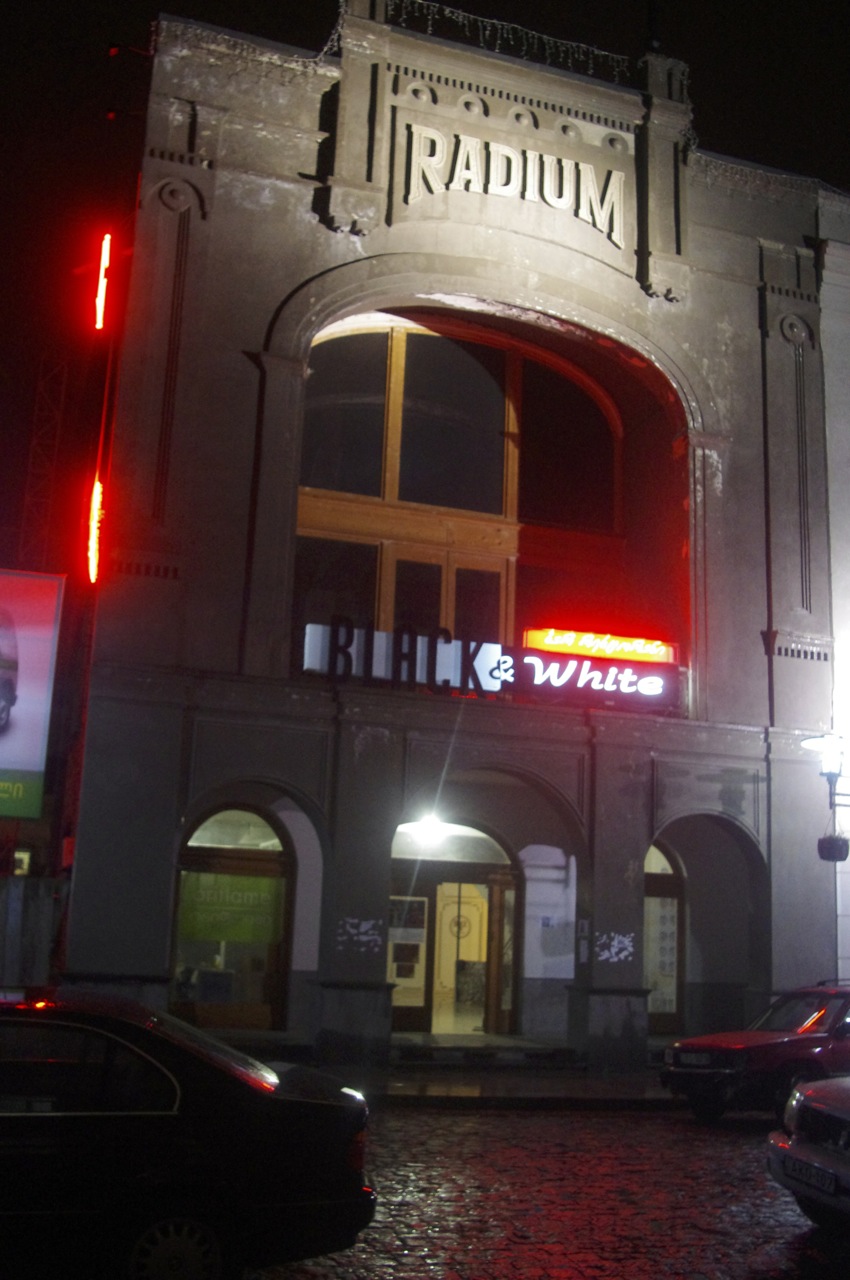 Kutaisi, Georgia. January 2013
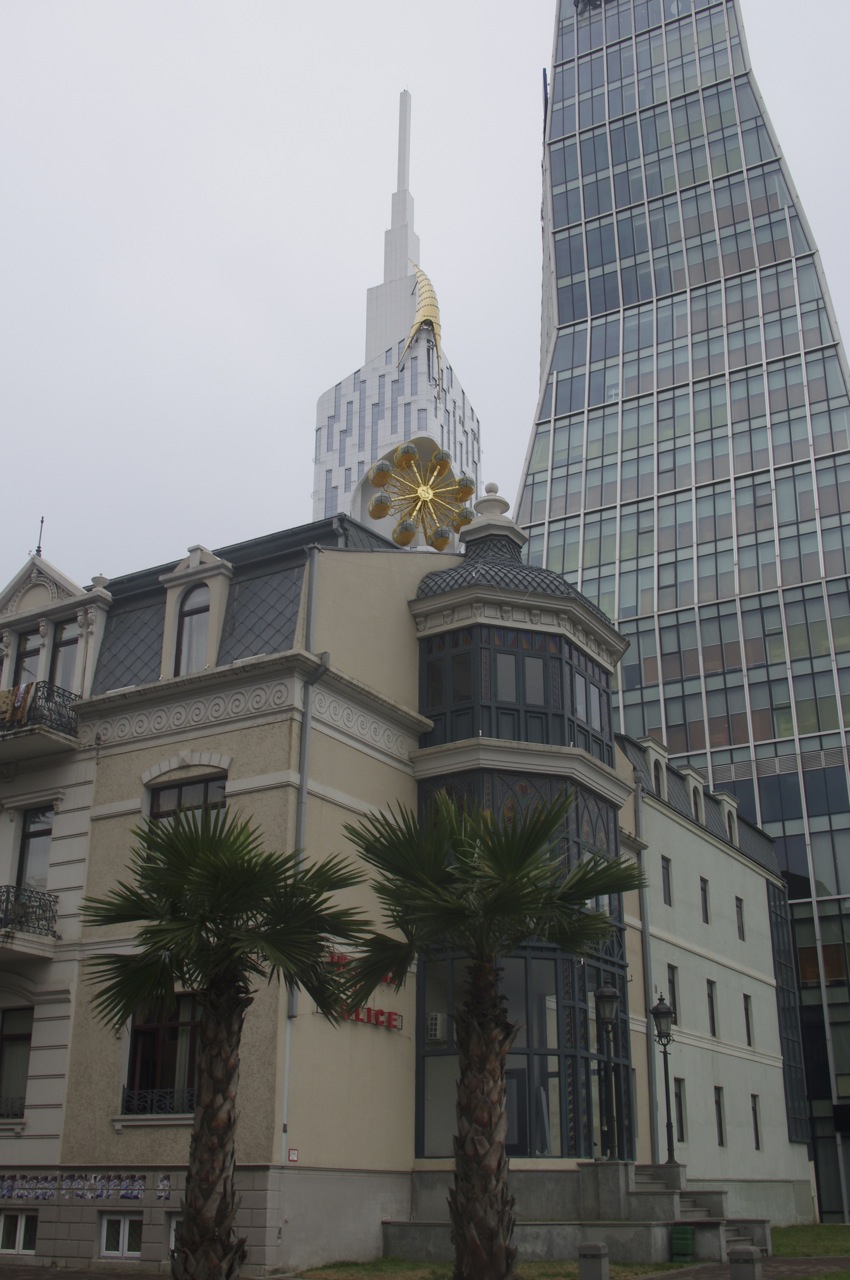 Batumi, Adjara. January 2013
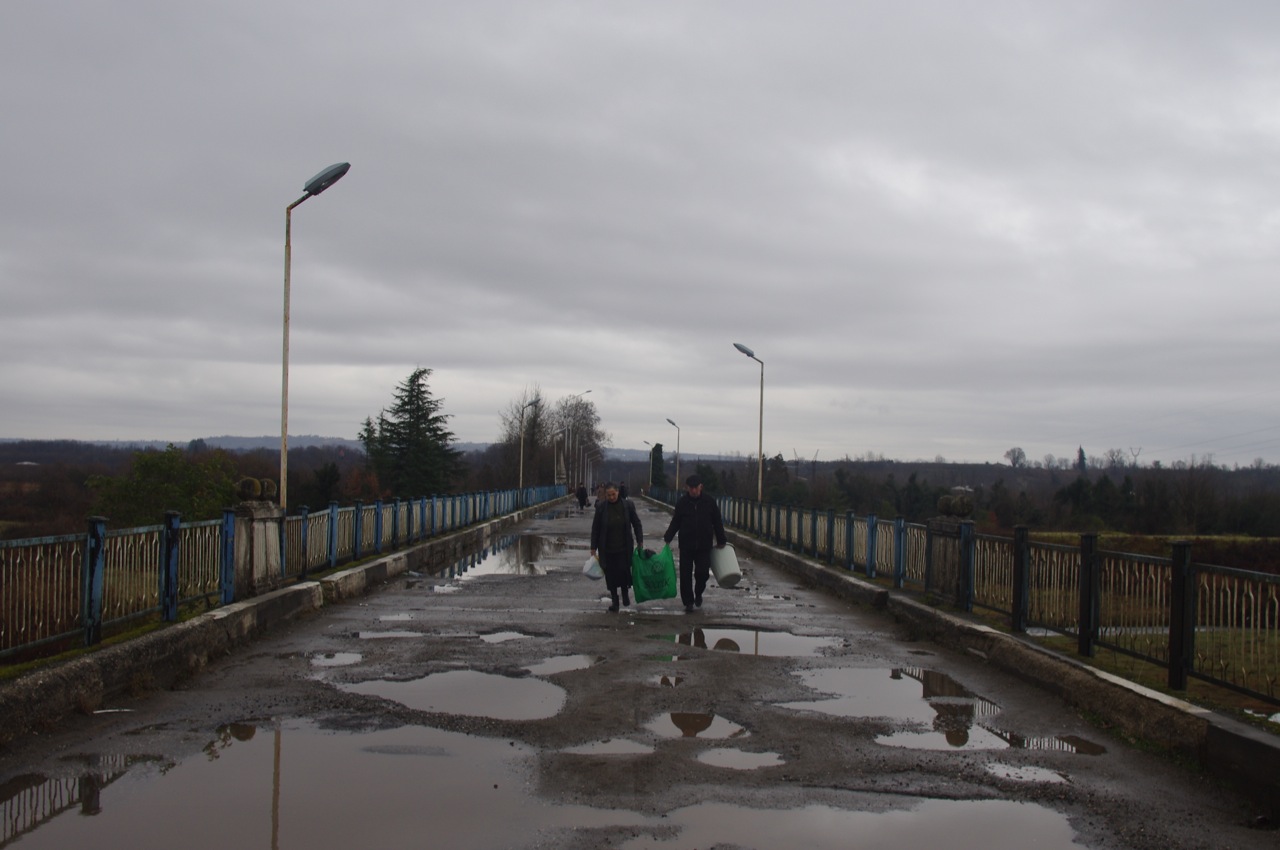 Inguri Bridge, January 2013
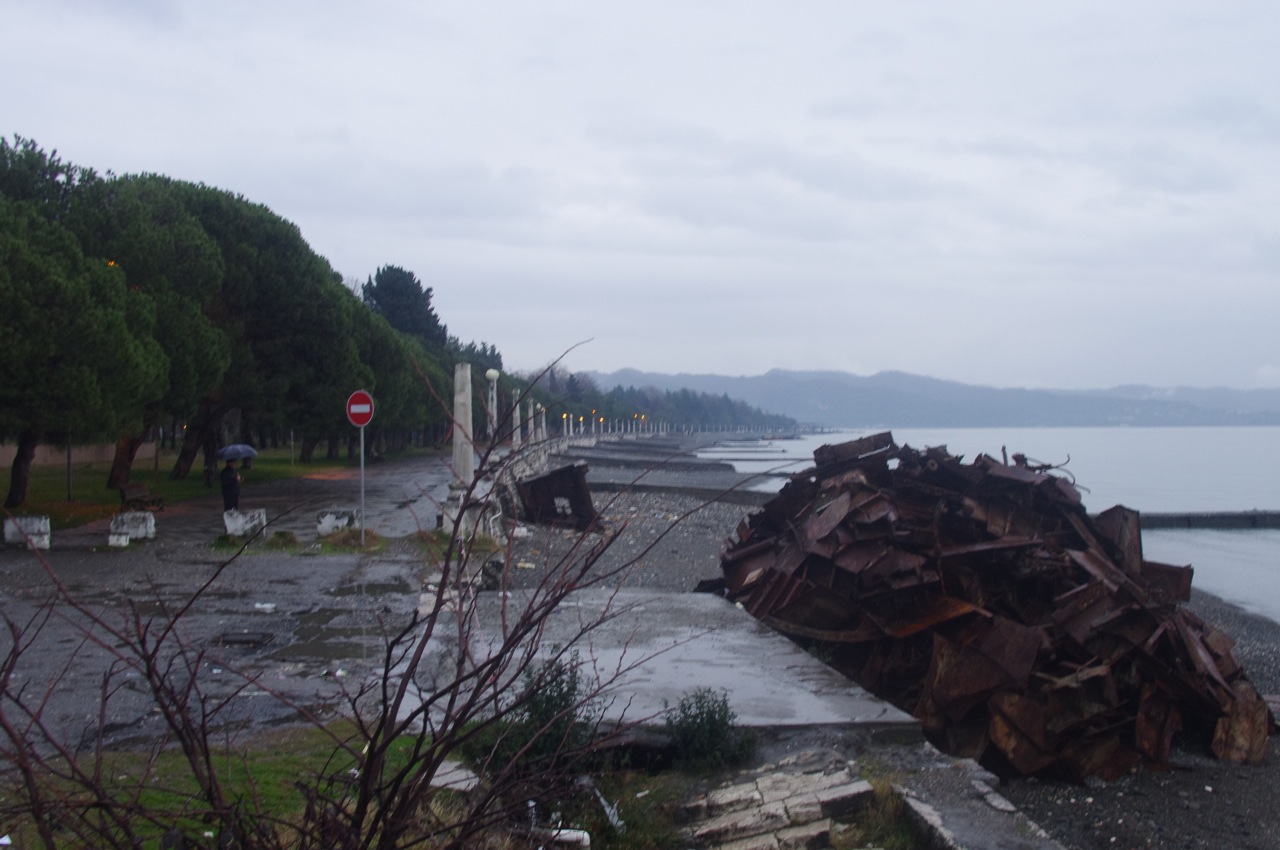 Sukhomi, Abkhazia. January 2013
 Yerevan, Armenia. February 2013
 38,000 feet. February 2013
 Belgrade, Serbia. February 2013
 Sarajevo, Federation of Bosnia and Herzegovina. March 2013
 Istočno Sarajevo, Republic Srpska. March 2013
 Vis Island, Croatia. March 2013
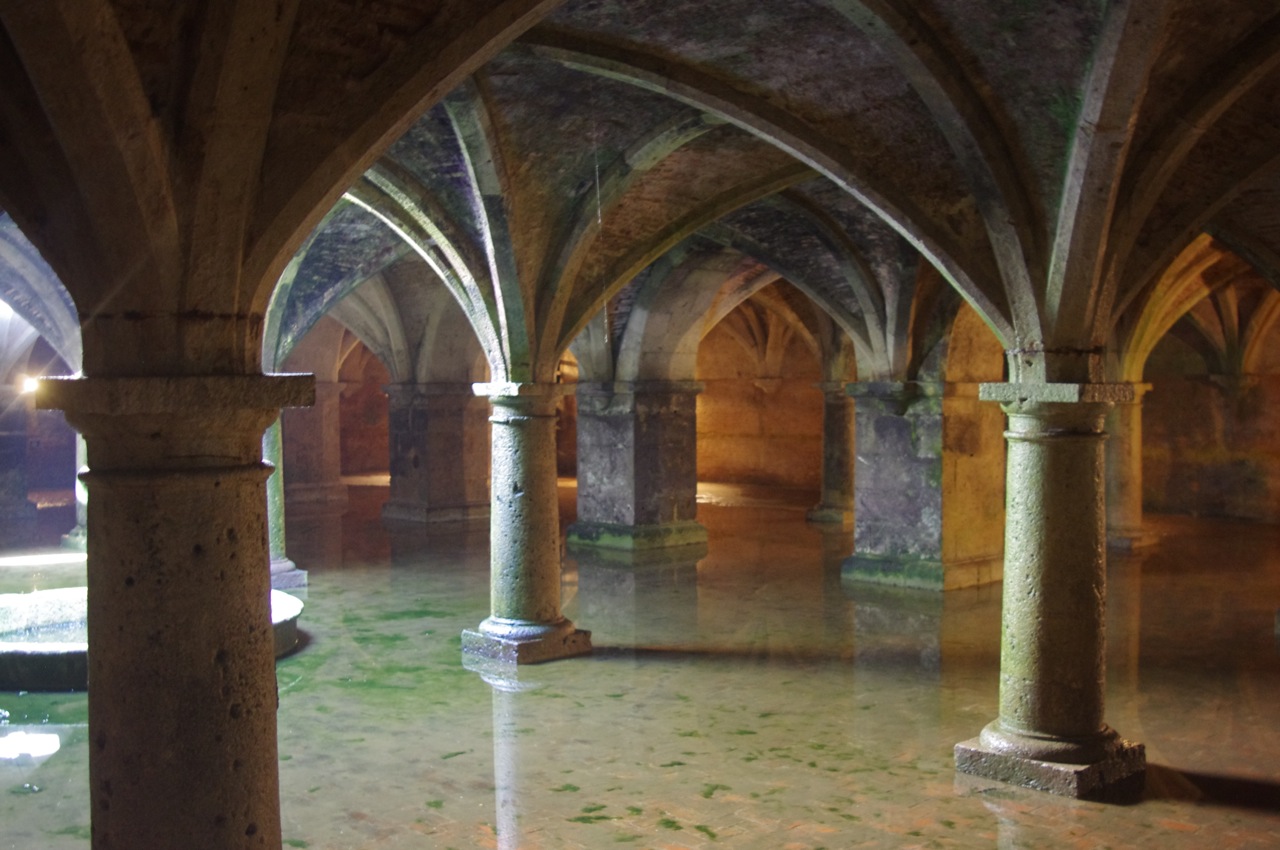 Al Jadida, Morocco. April 2013
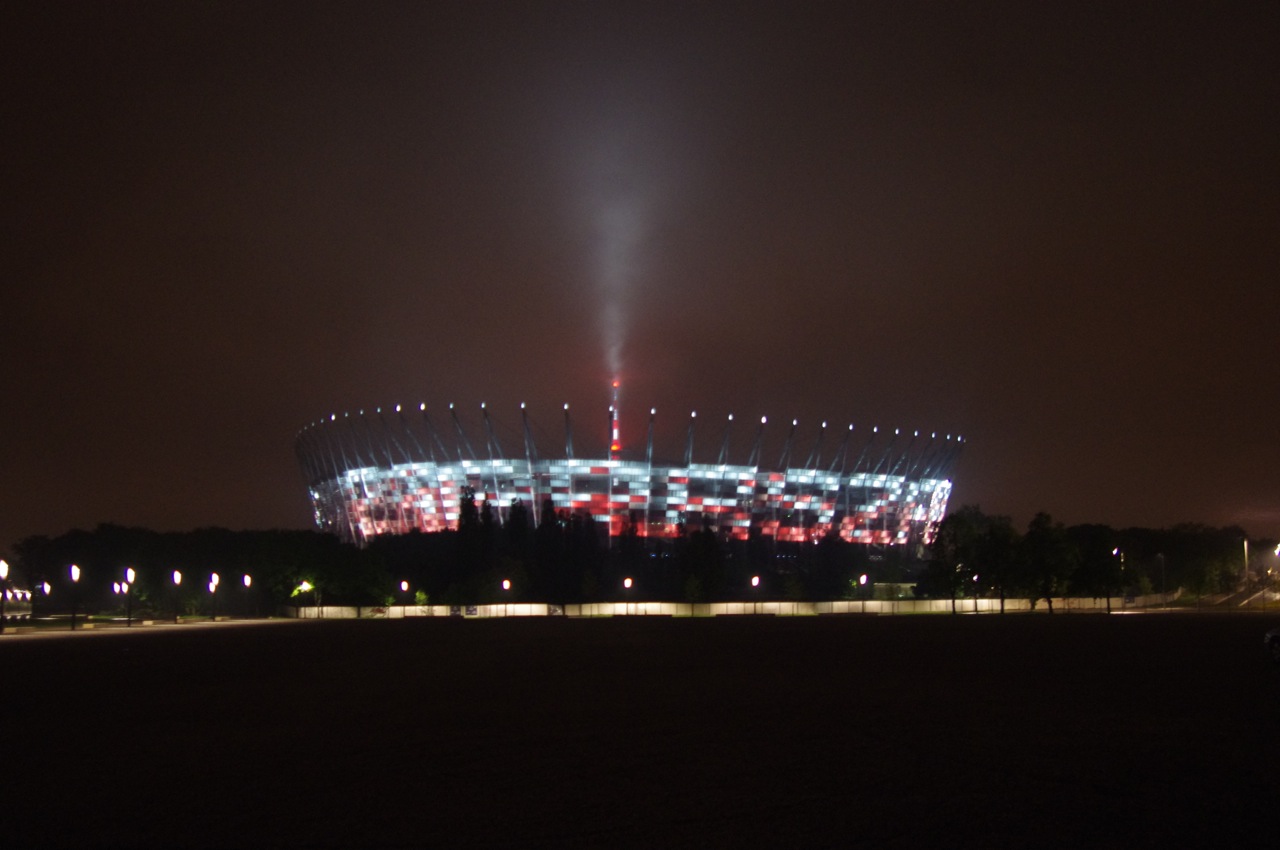 Warsaw, Poland. May 2013
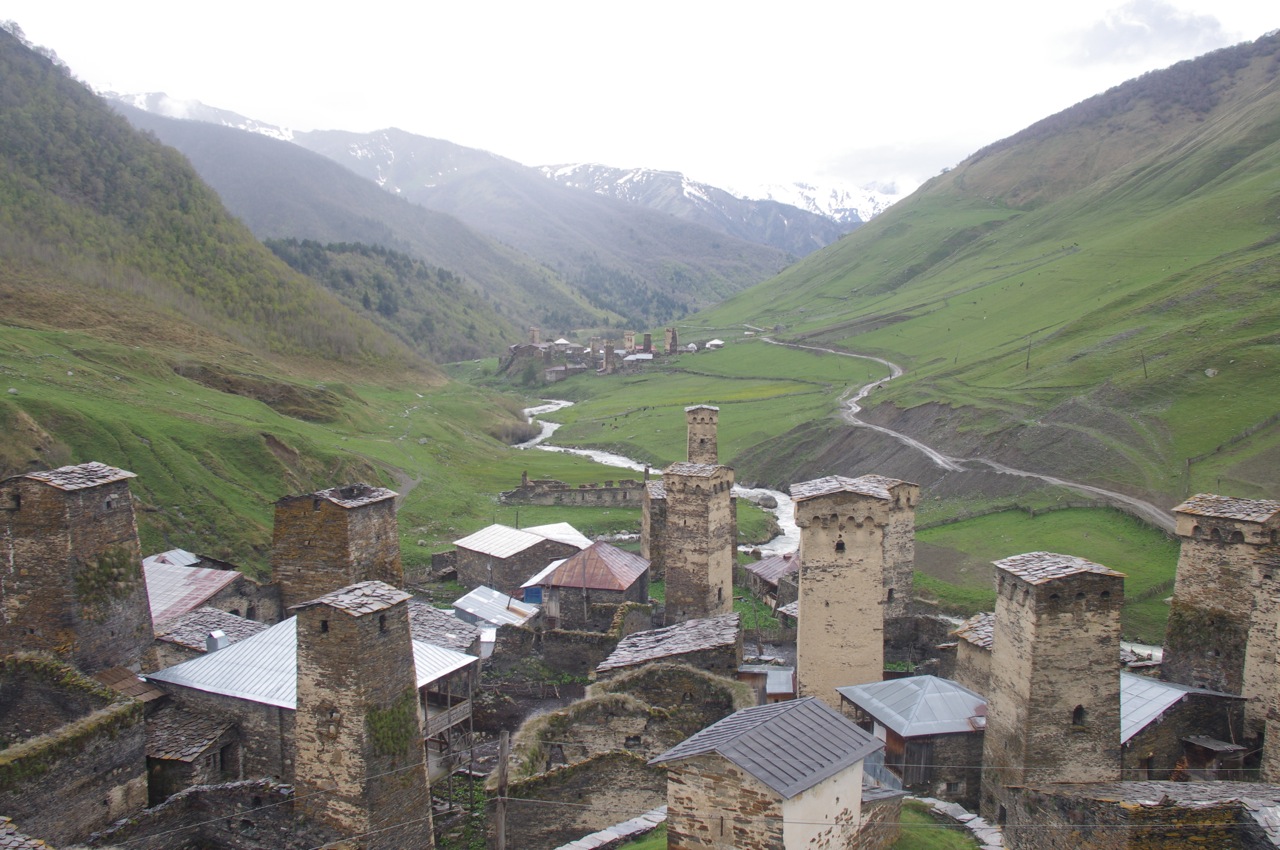 Ushguli, Georgia. May 2013
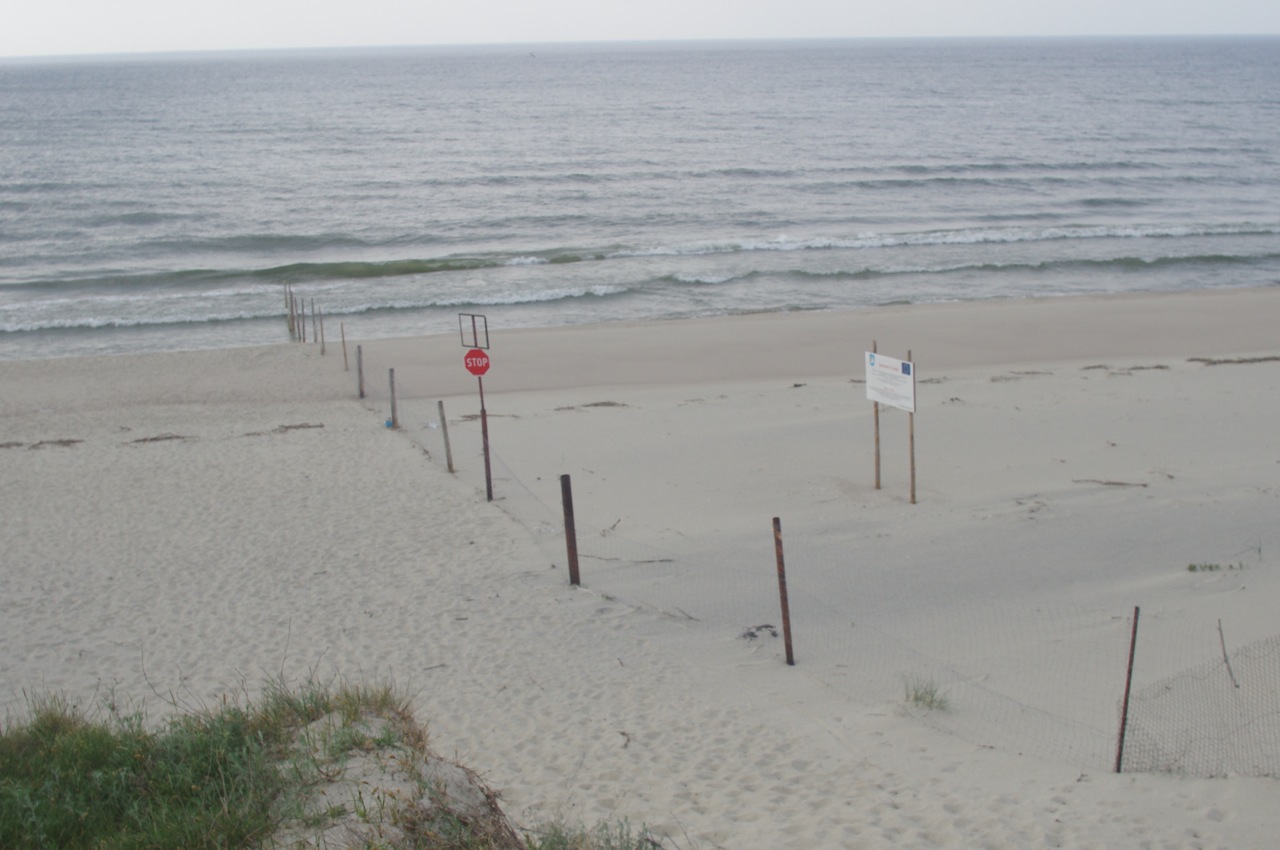 Nowa Carczma, Vistula Spit. June 2013
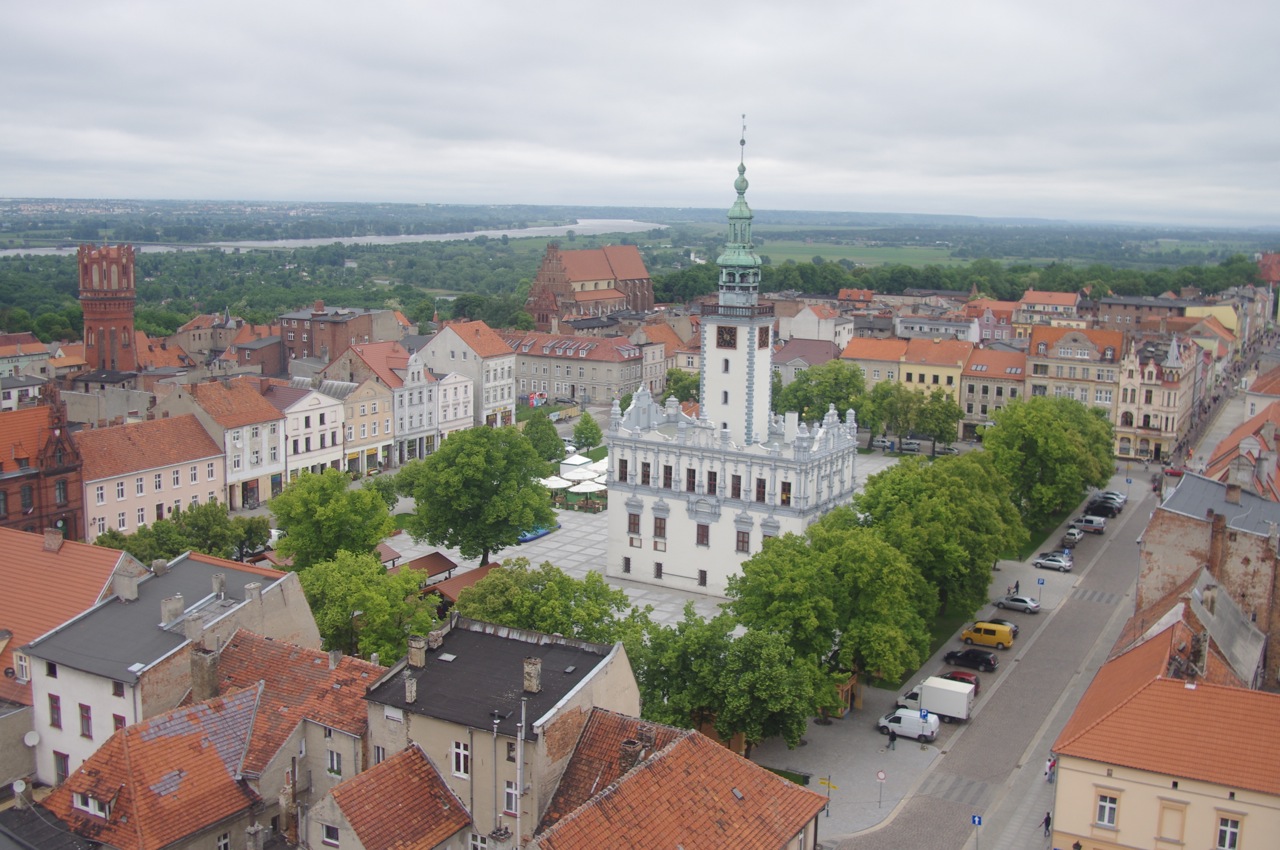 Chełmno, Poland. June 2013
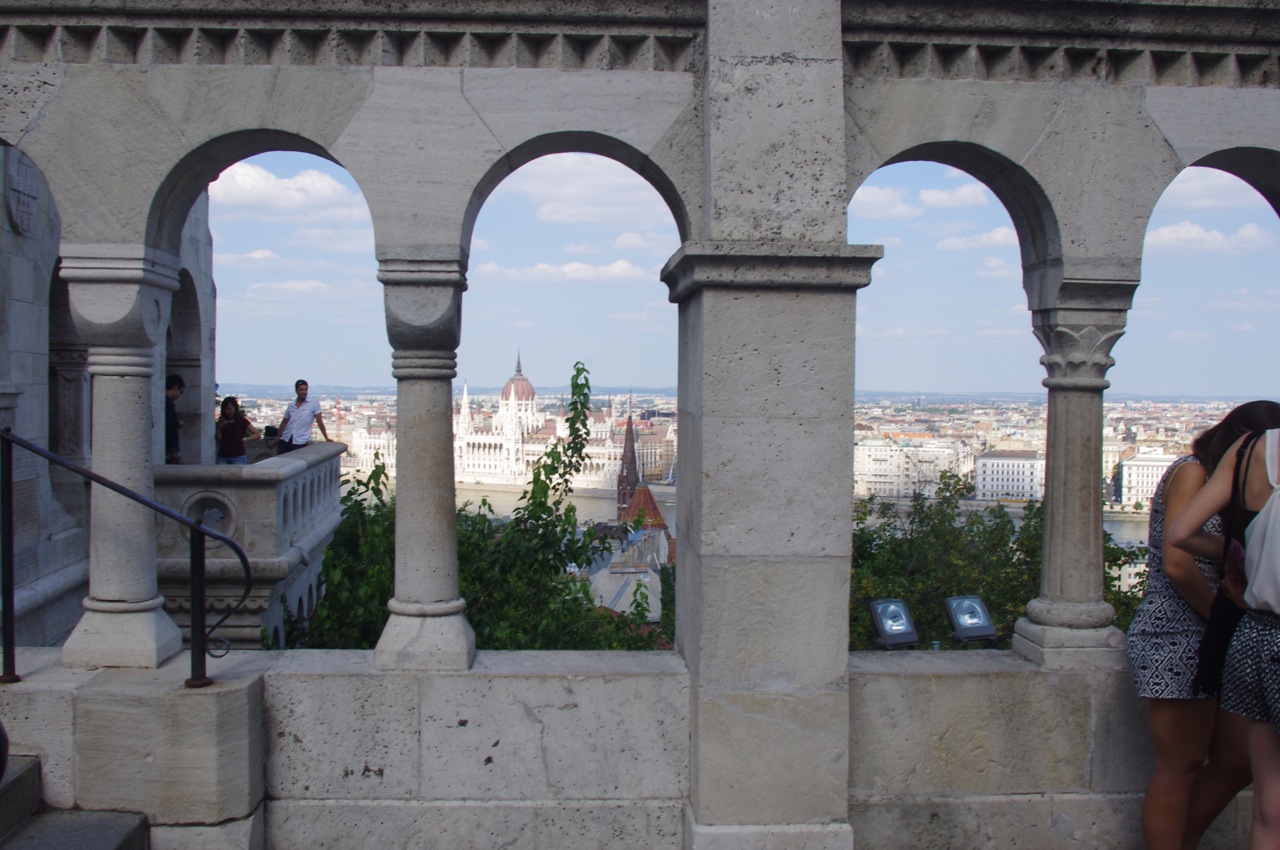 Budapest, Hungary. July 2013
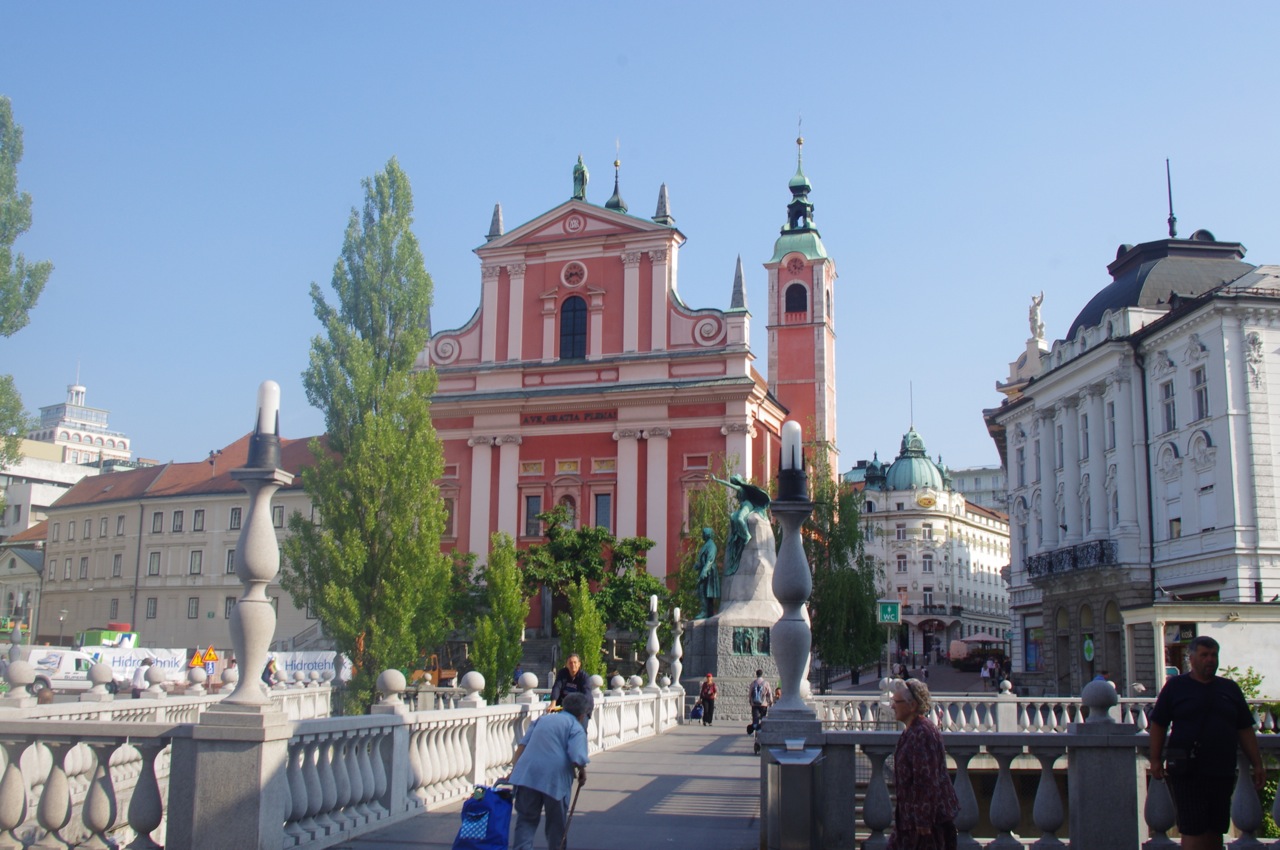 Ljubljana, Slovenia. July 2013
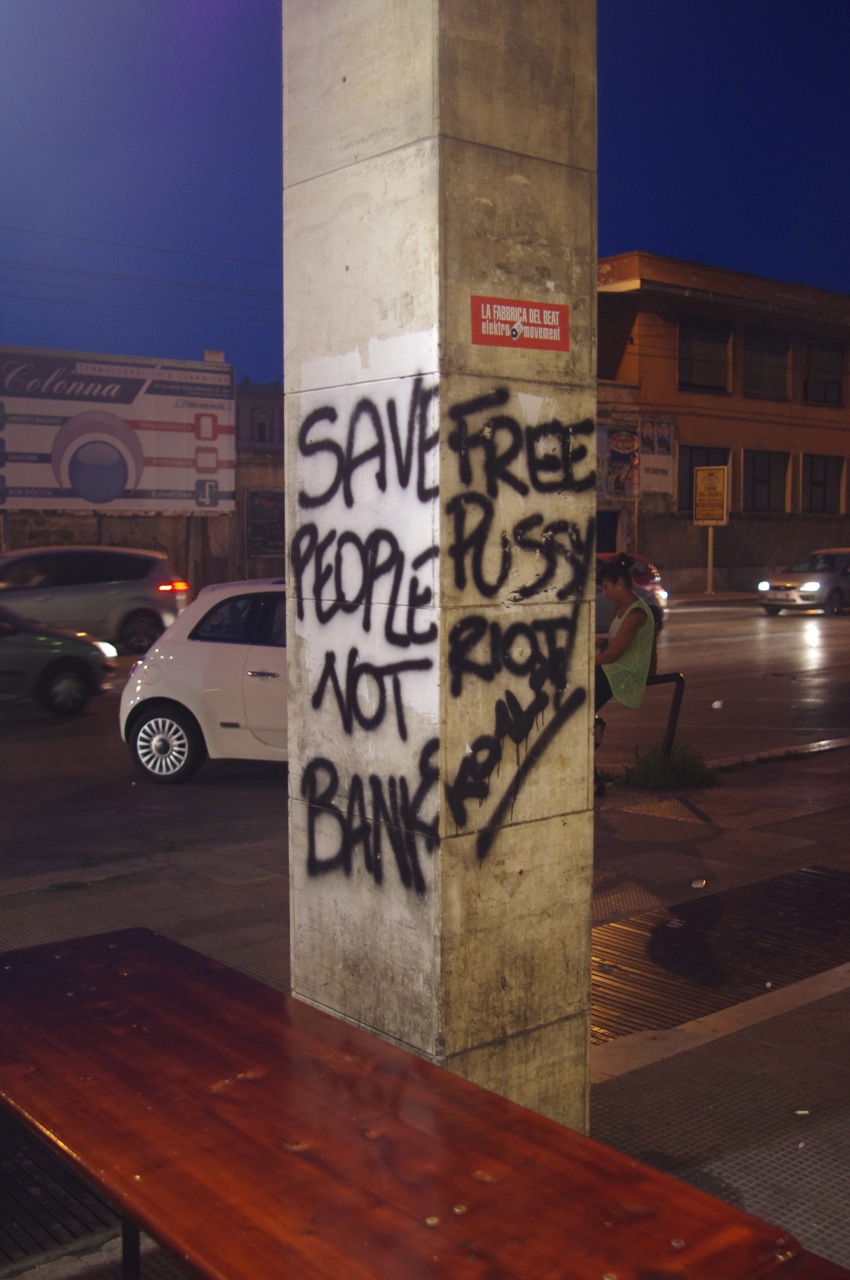 Bari, Italy. July 2013
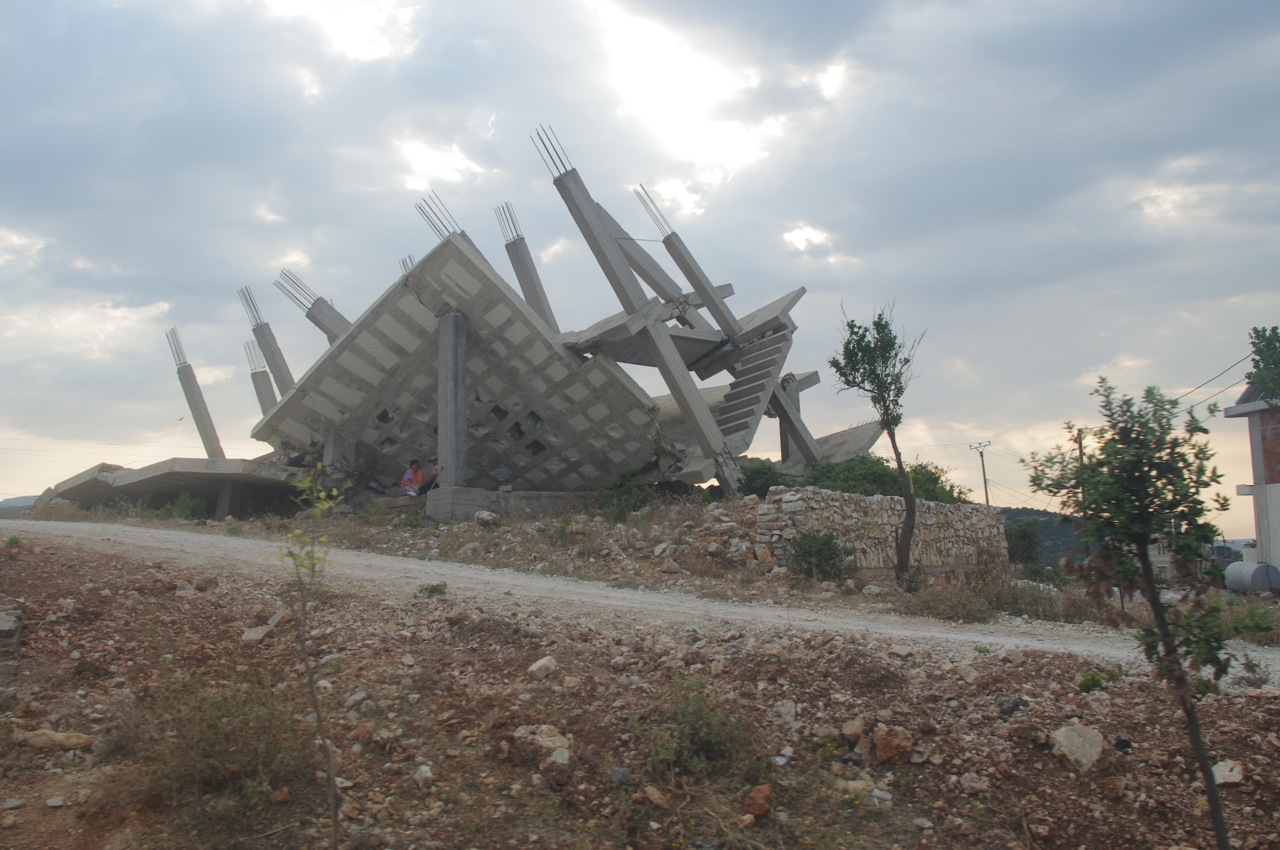 Ksamil, Albania. July 2013
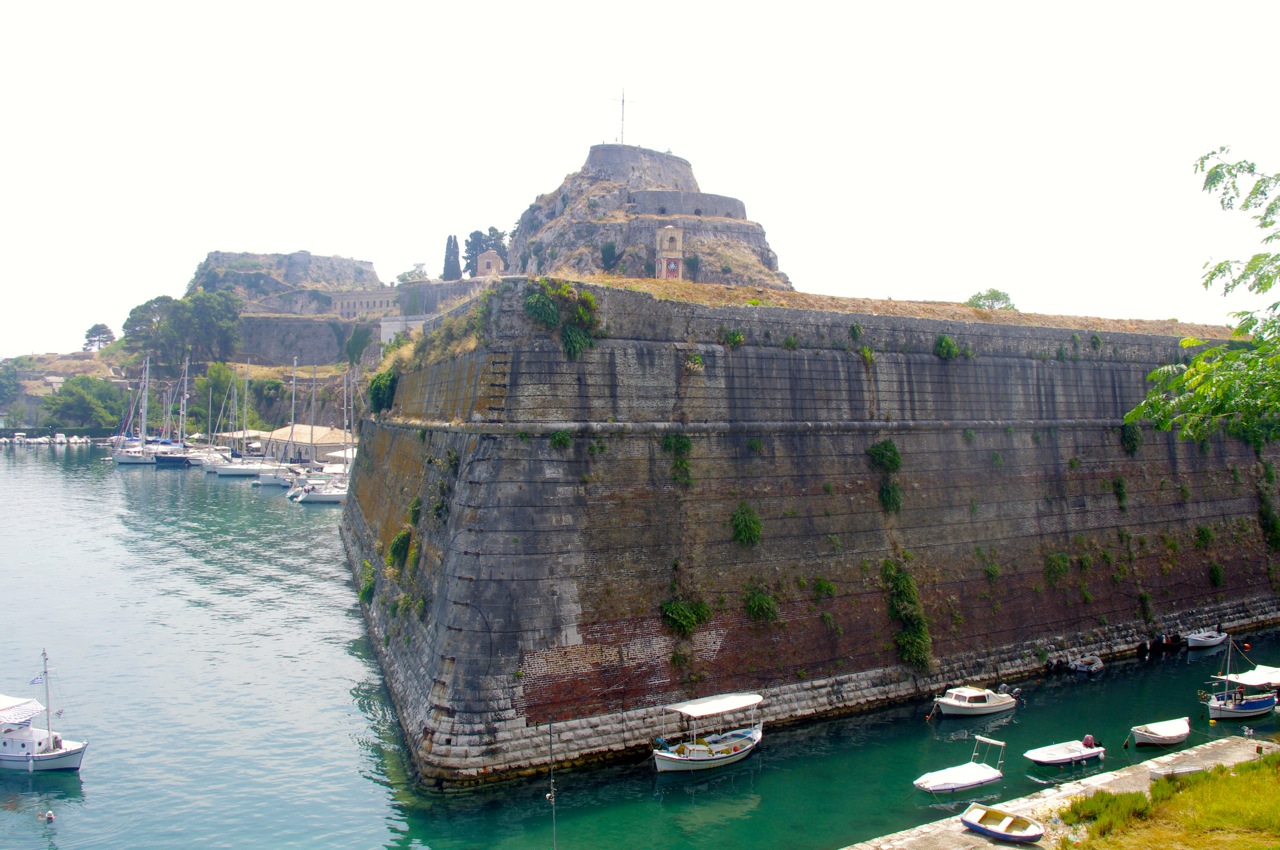 Kerkyra, Greece. July 2013
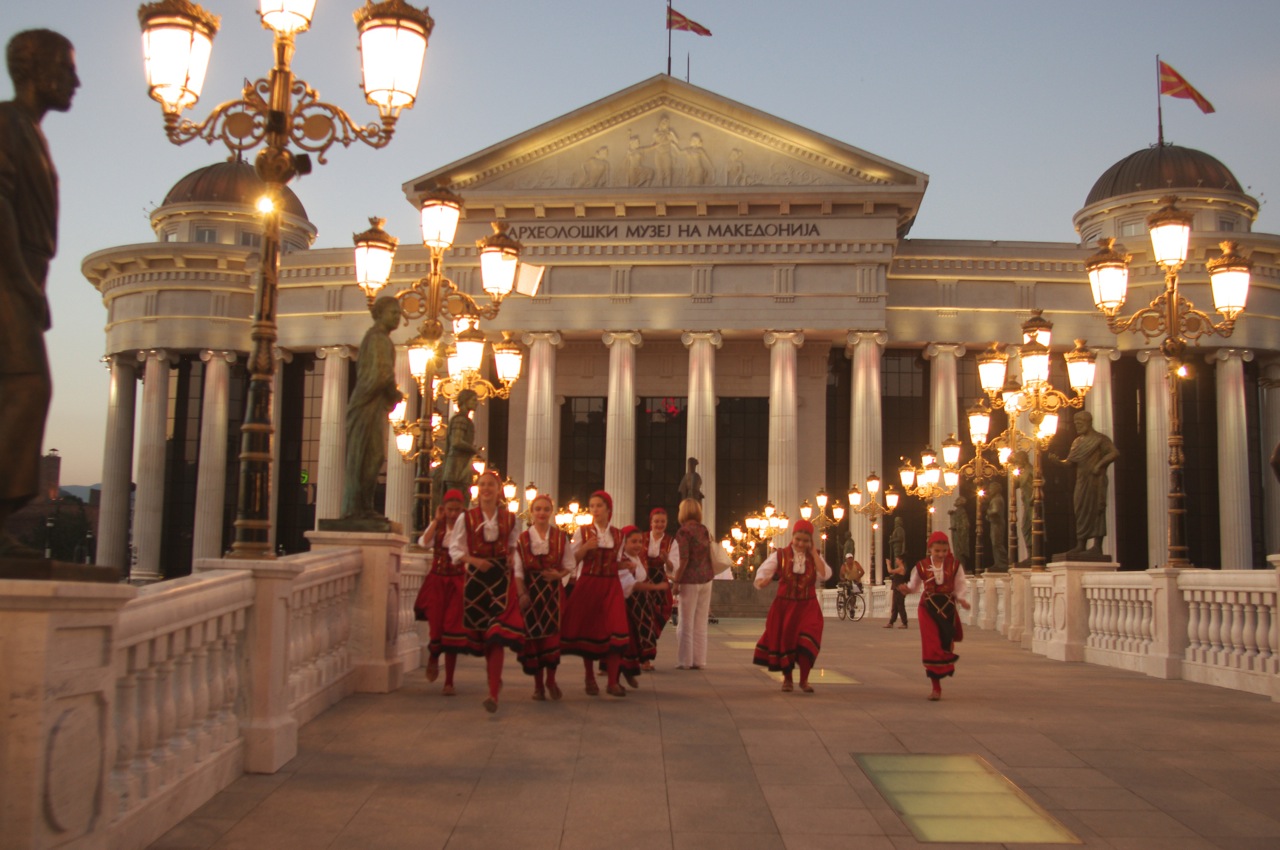 Skopje, Macedonia. July 2013
 Sanctuary Cove, Australia. August 2013
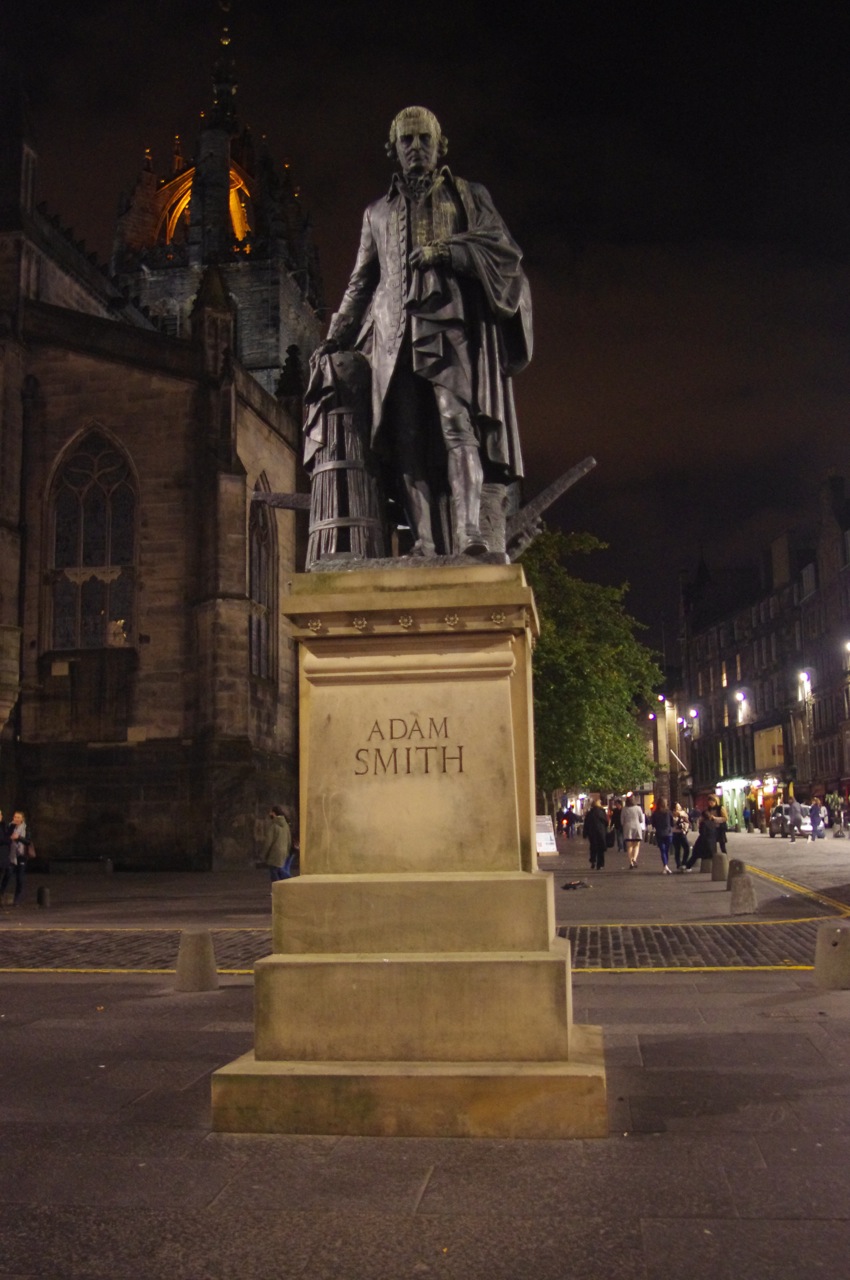 Edinburgh, Scotland. September 2013
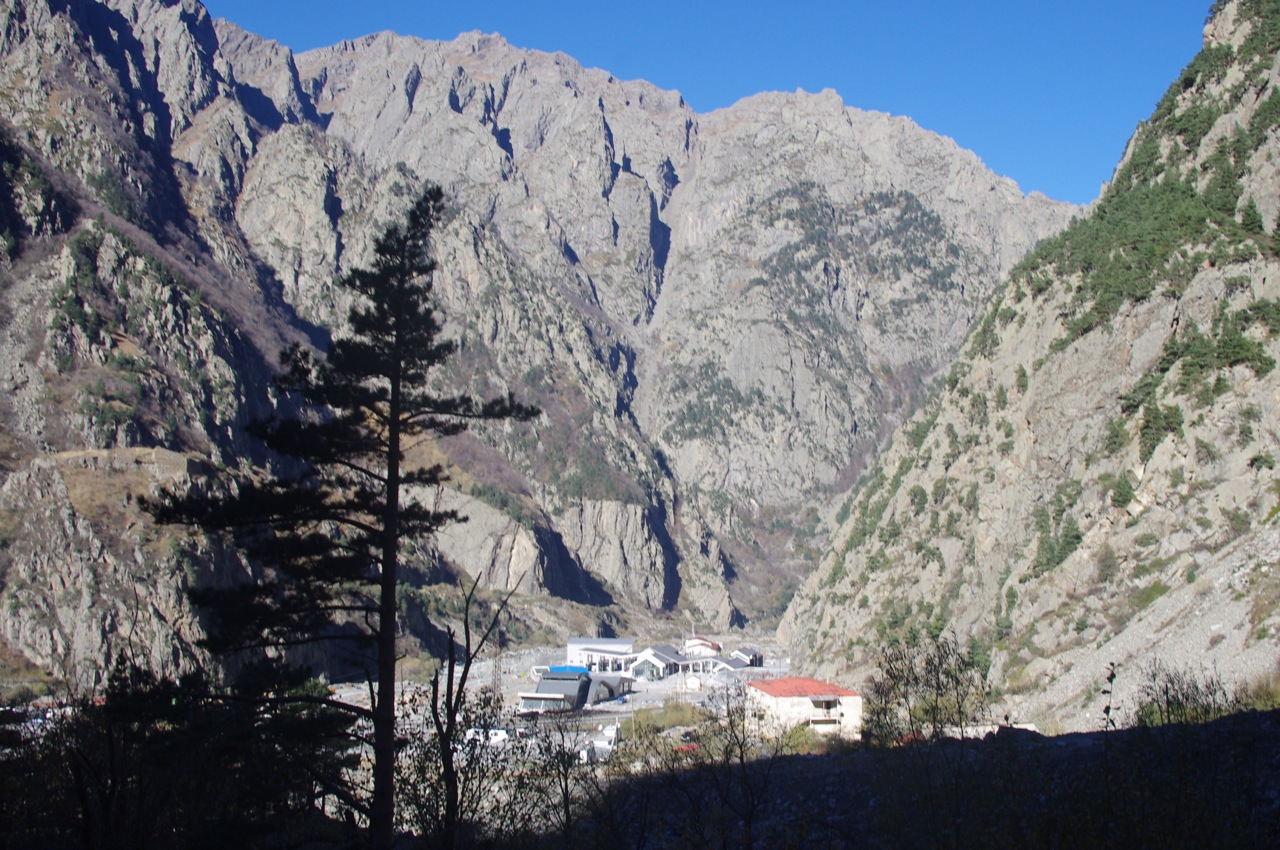 Darial Gorge. October 2013
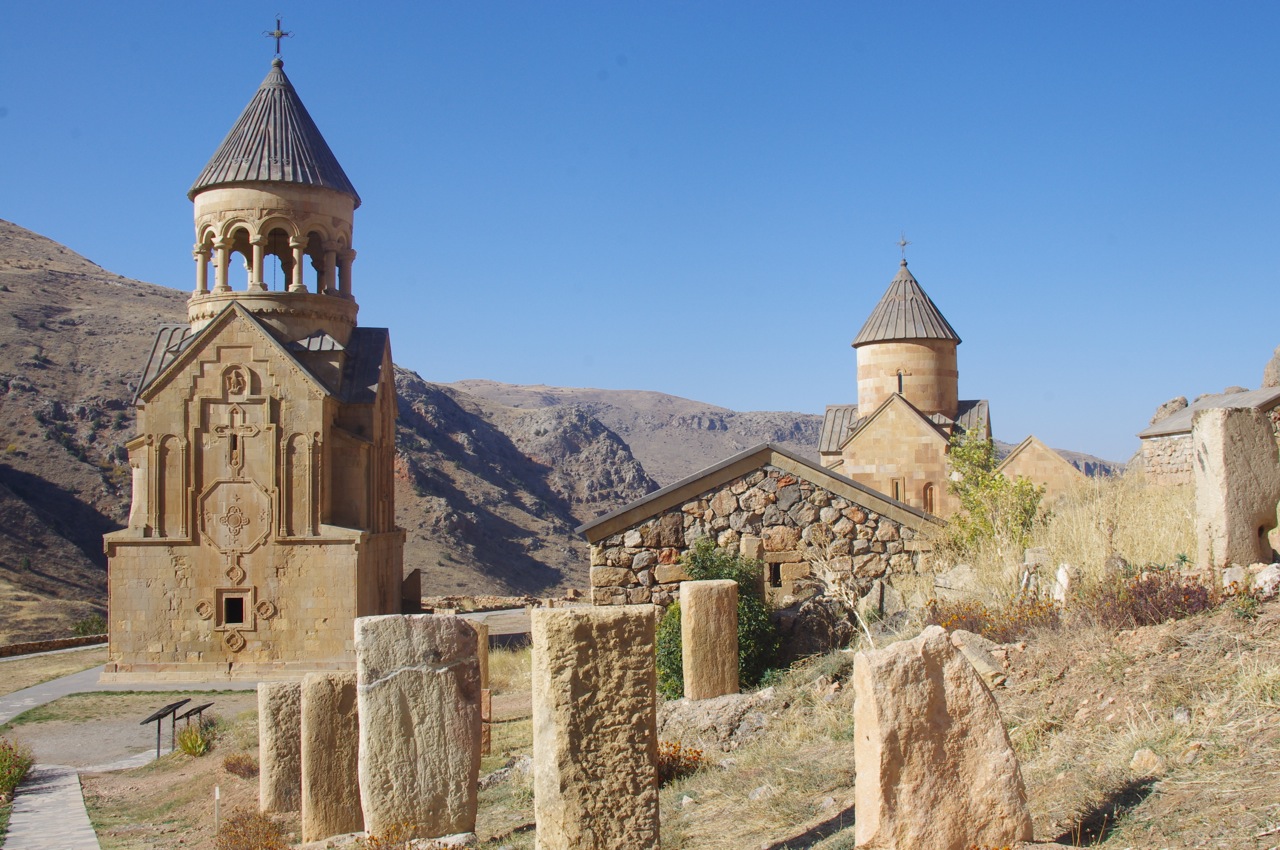 Noravank, Armenia. October 2013
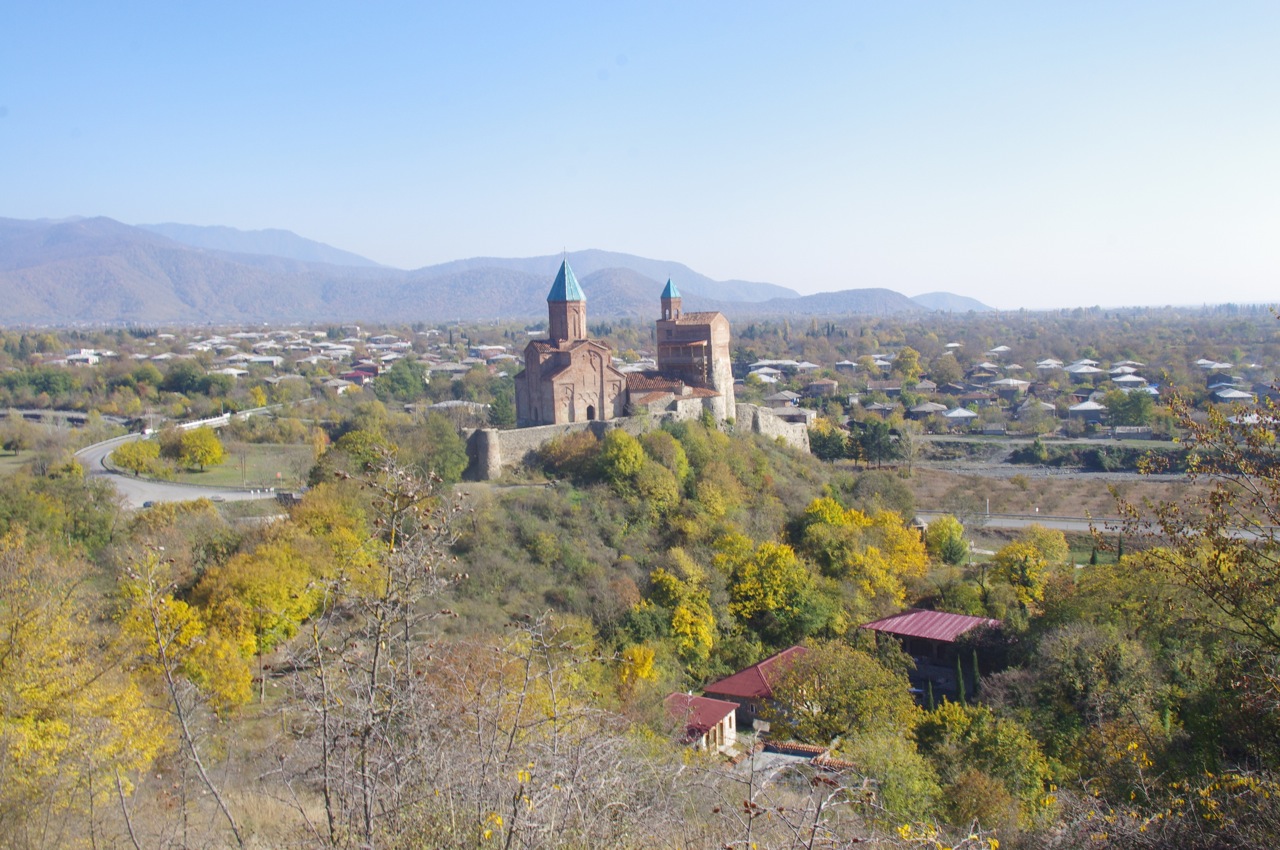 Gamla, Georgia. November 2013
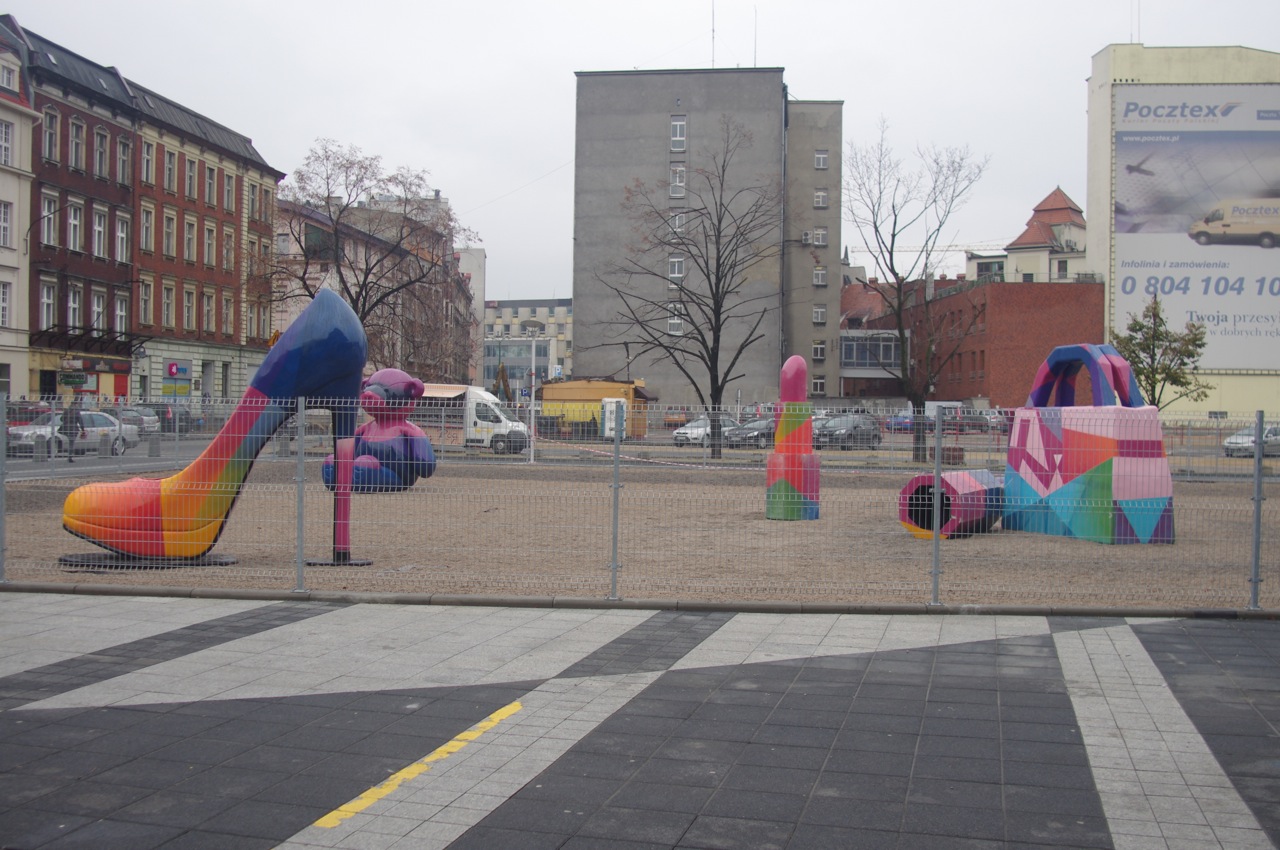 Katowice, Poland. November 2013
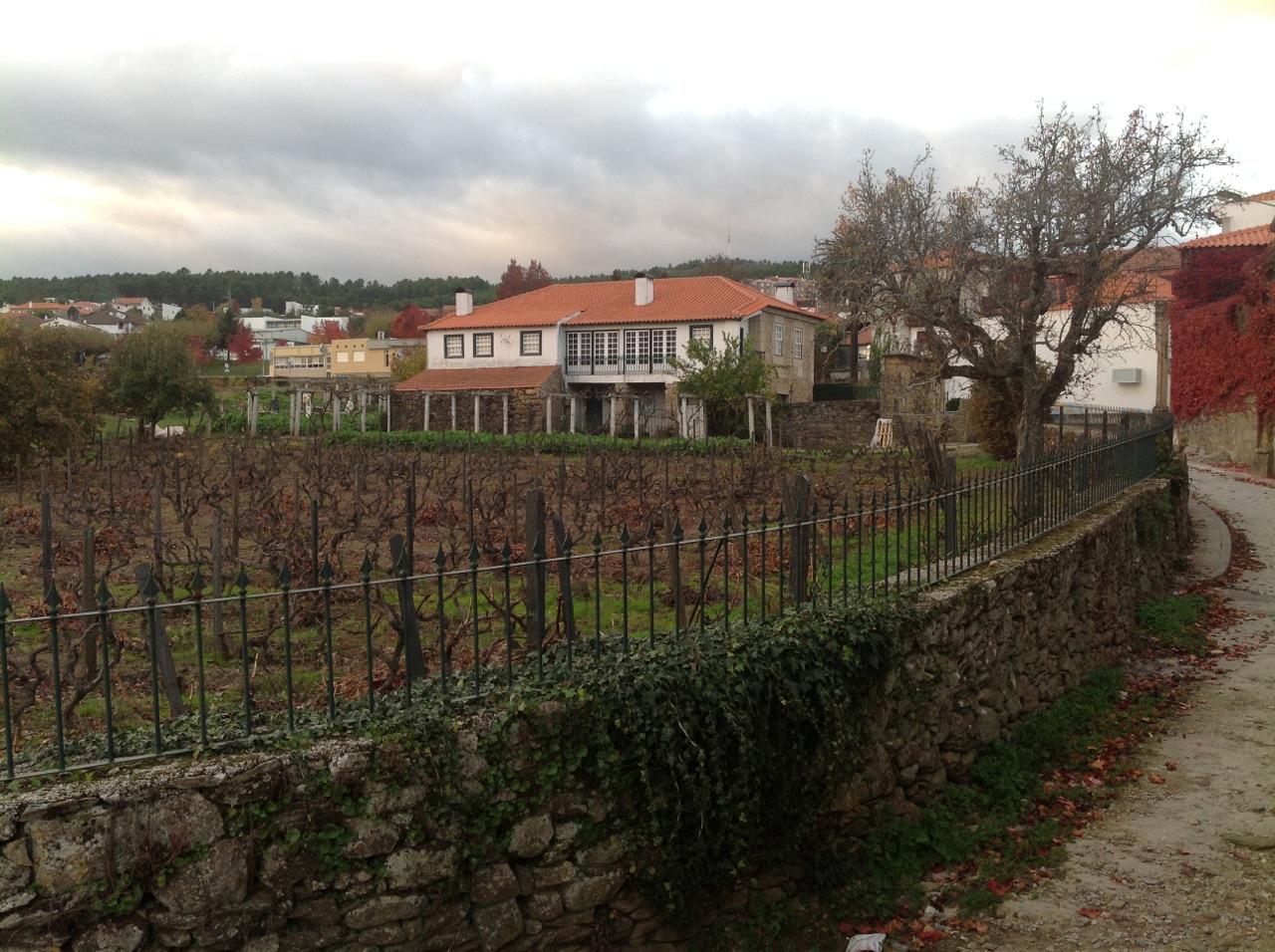 Sabrosa, Portugal. November 2013
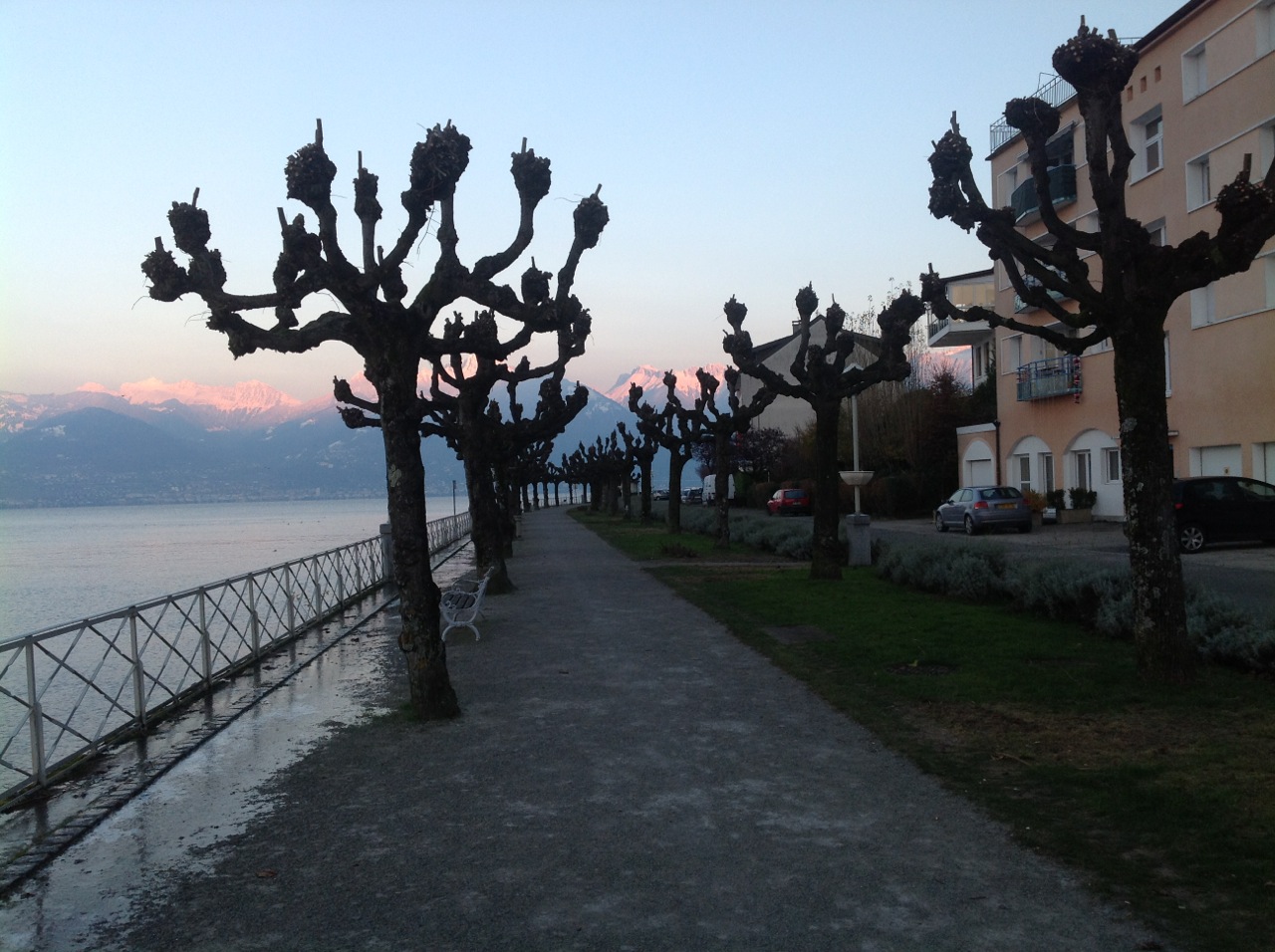 Saint-Gingolph, France. November 2013
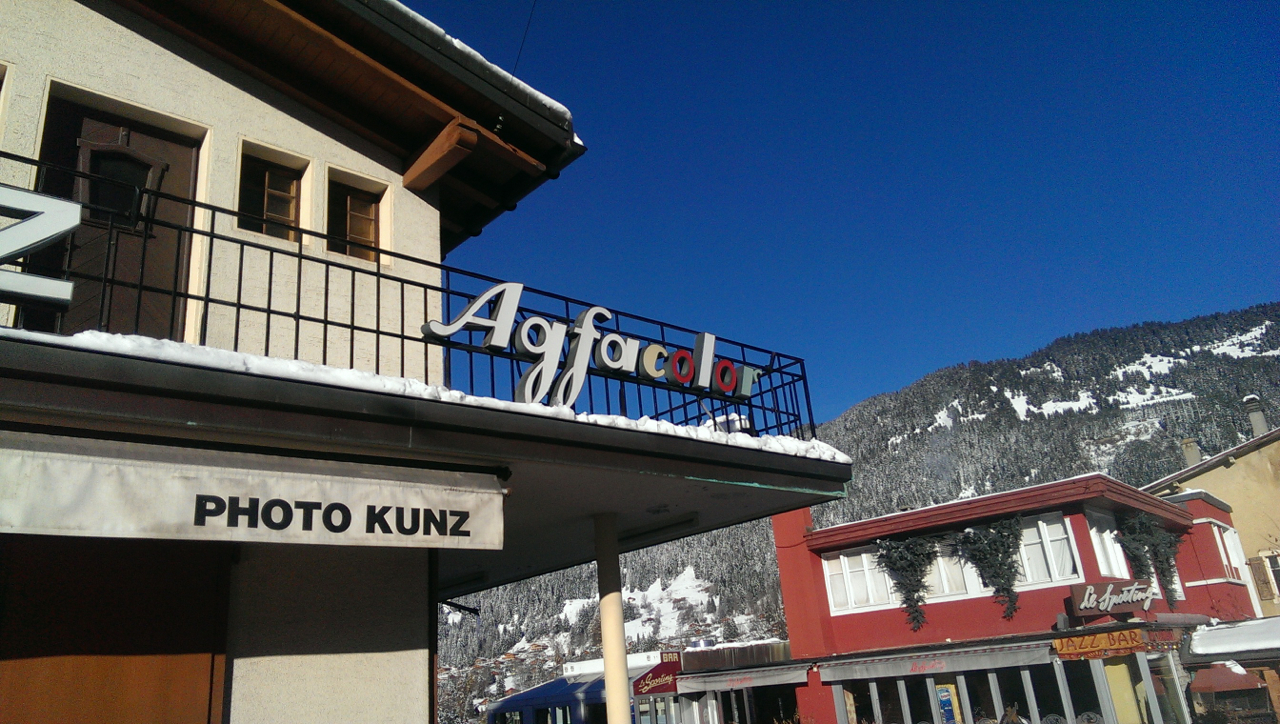 Villars, Switzerland. November 2013
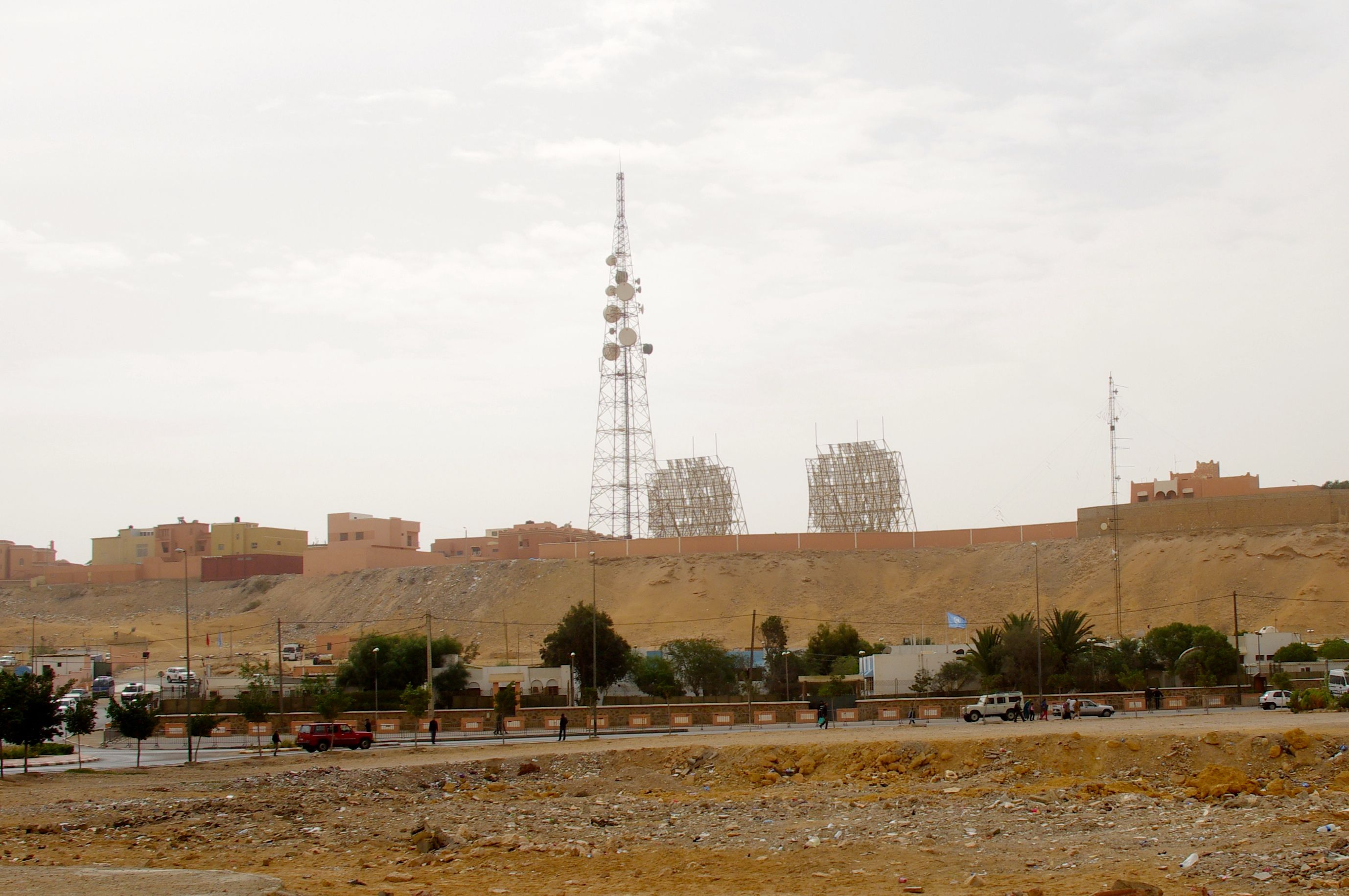 Laayoune, Western Sahara. December 2013





Recent Comments