We are developing the social individualist meta-context for the future. From the very serious to the extremely frivolous... lets see what is on the mind of the Samizdata people.
Samizdata, derived from Samizdat /n. - a system of clandestine publication of banned literature in the USSR [Russ.,= self-publishing house]
|
On a Tuesday evening shortly before Christmas, I arrived at London Gatwick Airport on an Easyjet flight from Morocco. I wanted to travel to my home in Southwark as quickly as possible. The quickest and simplest way to do this is to catch a train from Gatwick Airport railway station in the terminal to East Croydon and then London Bridge, followed by another train to South Bermondsey, the nearest station to my home. A single ticket for this journey costs £14.60, a fare I find to be a bit steep. Knowing the fare system reasonably well, I instead purchased a ticket to East Croydon, the first station inside Greater London at which the train stopped. For this, I paid £4.50. I then used my Oyster Card – the contactless ticketing system that Londoners use for most of their public transport journeys within London – to get to South Bermondsey. This was charged using the zone based fare system that applies within London, and cost me £2.20. I was thus able to reduce the cost of the journey by more than 50%.
This is not fare evasion. What I did is perfectly legal, and I can’t be punished for doing it, but surely it is against the spirit of the fare laws. The powers that be have decided that the wealthy plutocrats who can afford to fly Easyjet can also afford to pay £14.60 for a train journey from central London to the airport. By taking advantage of the cheaper fares available for shorter journeys, I am demonstrating my contempt for the wise decisions of these people. Let us call it fare avoidance. As it happened, a ticket inspector stopped me part of the way through the journey, and berated me for my lack of public spiritedness and civic responsibility, and just generally told me off for failing to spend money that rightly belonged to the families of good, honest people such as ticket inspectors. How would such people be able to feed their families if everyone behaved like this?
Actually, no he didn’t. What he actually said was “Thank you sir. That’s great”. It’s also possible he wished me a merry Christmas.
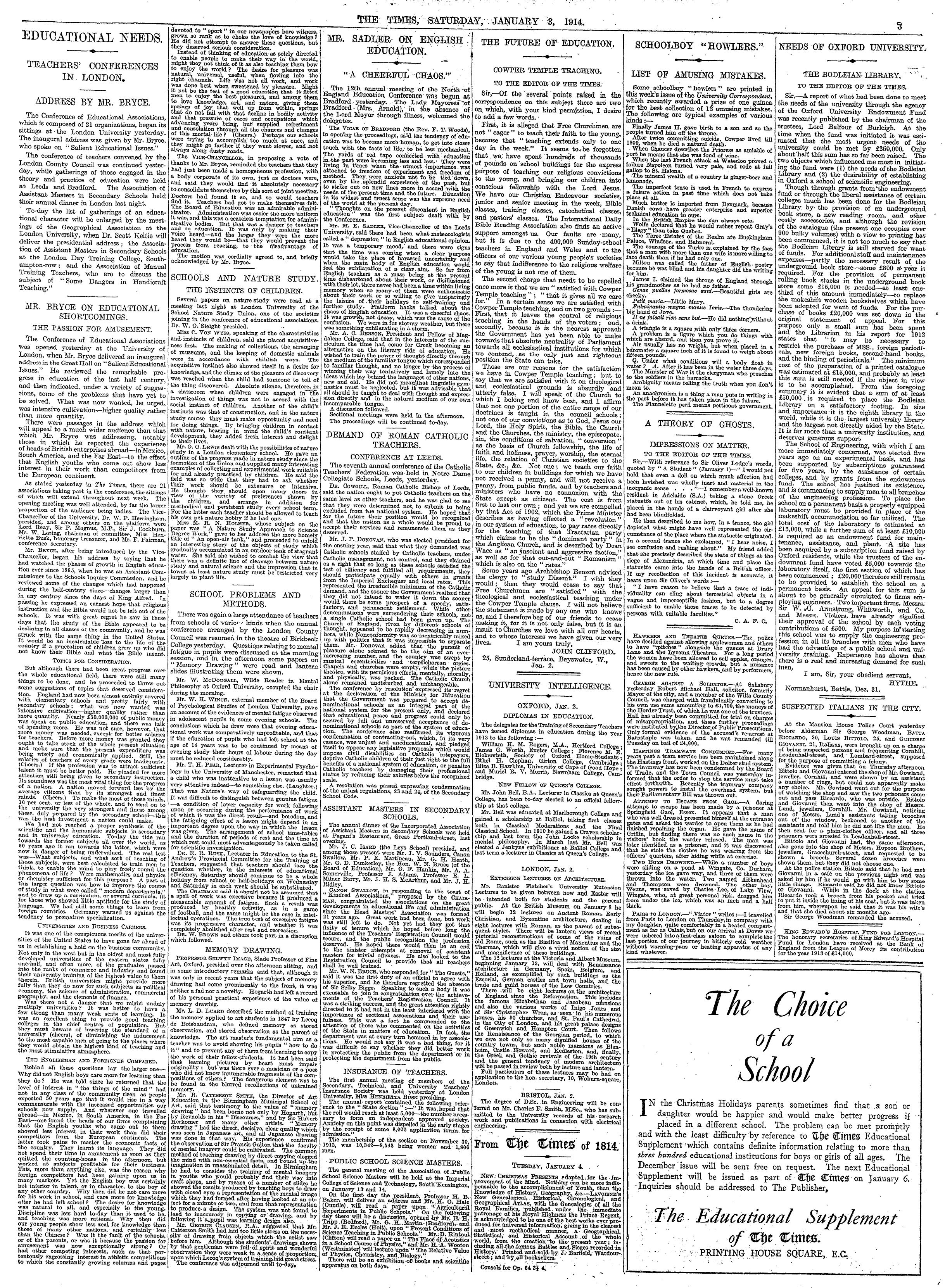
We all love those daft things that school children put on exam papers – How long is the menstrual cycle? Three feet; that sort of thing. So, here are some from a hundred years ago (when they didn’t have such things as menstrual cycles):
After twice committing suicide, Cowper lived till 1800 when he died a natural death.
Much butter is imported from Denmark, because Danish cows have greater enterprise and superior technical education to ours.
In the British Empire the sun always sets.
The courage of the Turks is explained by the fact that a man with more than one wife is more willing to face death than if he had only one.
Under what conditions will a body float in water? After it has been in the water three days.
Some of the others might turn out to be even funnier if I understood them.
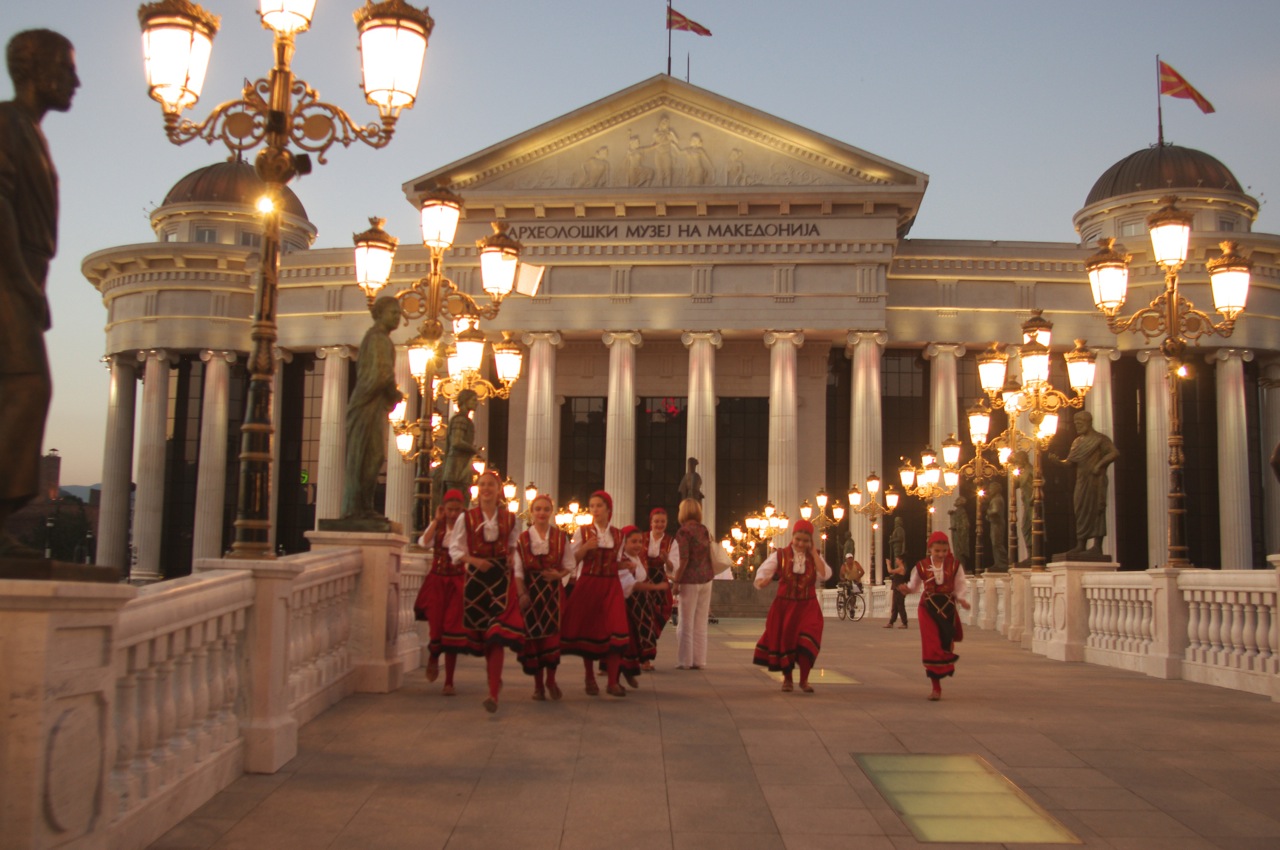
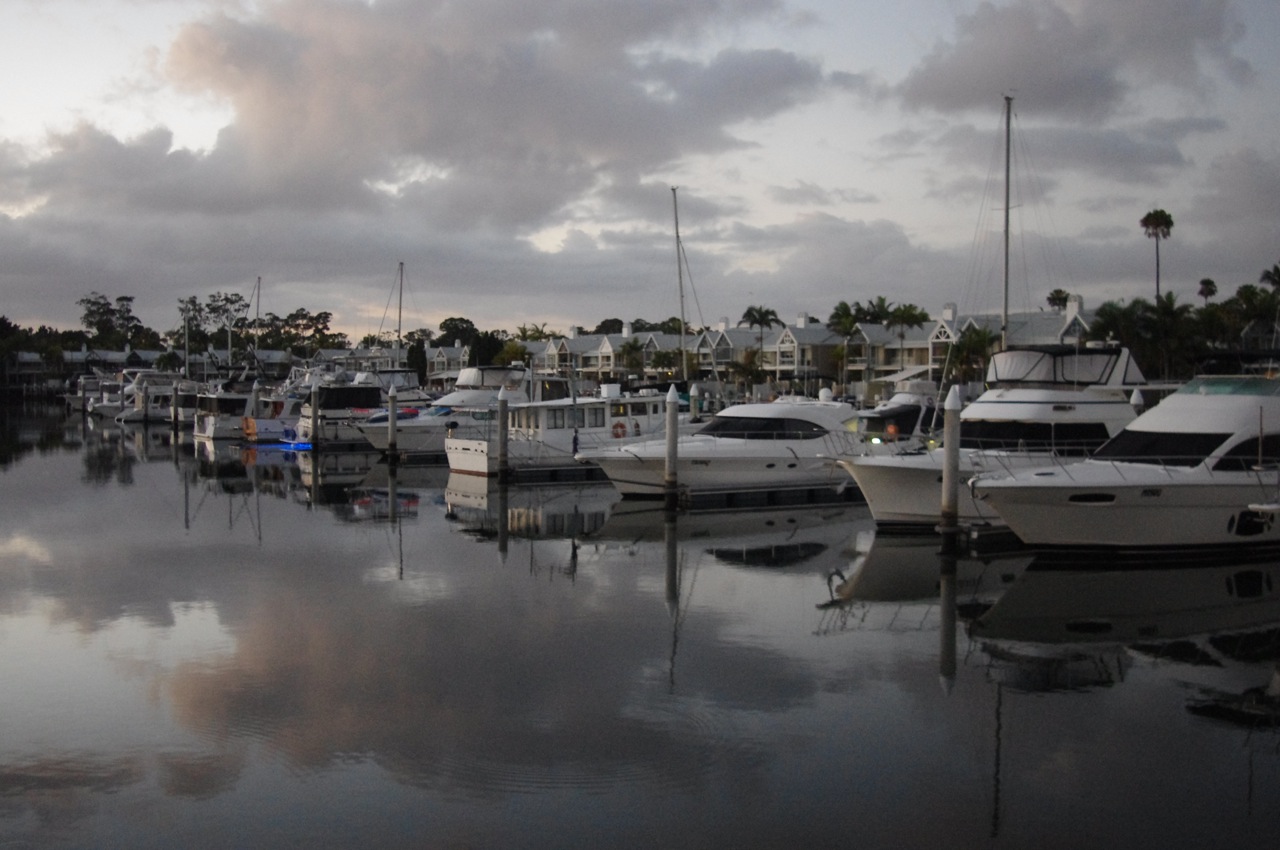
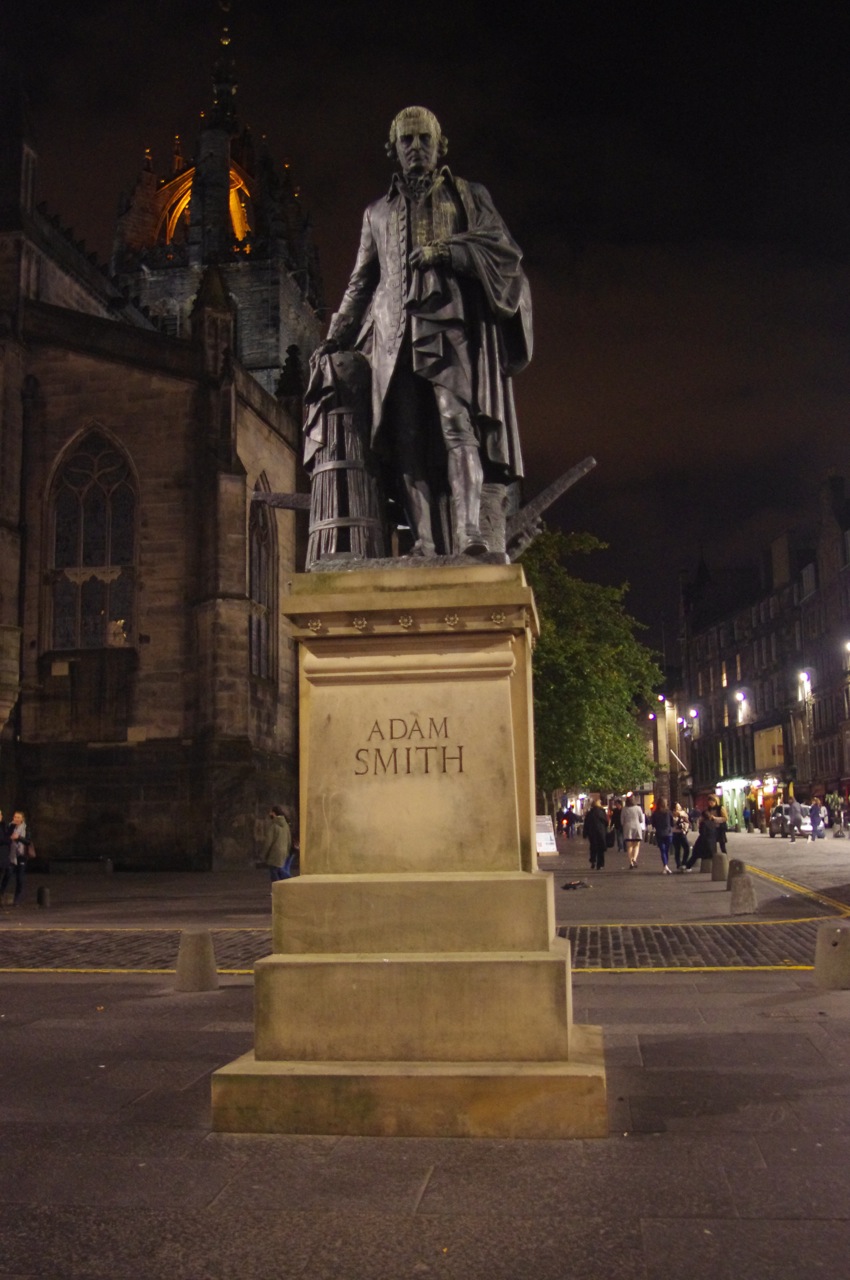
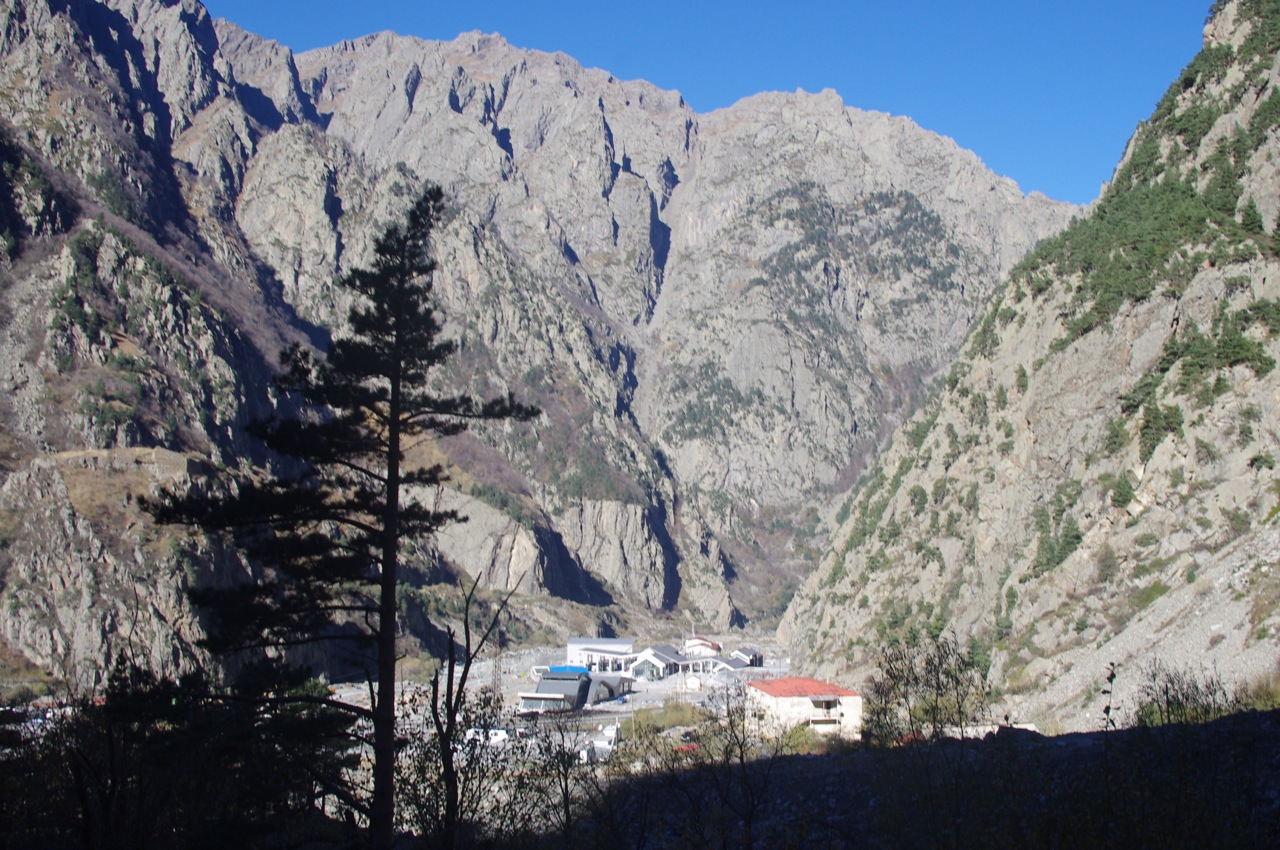
If Michael Jennings can roam the world taking photos, then I can roam London and nearby spots, doing the same. Here are twelve photos from my year, one for each month.
They are chosen, I hasten to add, as much to help me say things about what is in them and about digital photography as for their technical quality. Which is… rather variable.
→ Continue reading: My year in twelve pictures
Oh yes, I have put my house in London on the market too! I live close to a large French language school and there are many shops near there aimed at French clientele, so when I read the latest news from France, I increased the asking price by about ten percent. I am sure that splashing sound in the distance is the waves of wealthy French businessmen swimming across the Channel, clutching their chequebooks in their teeth and feverishly looking to spend their dosh while they still can.
– heard at Samizdata HQ in London, pertaining to this.
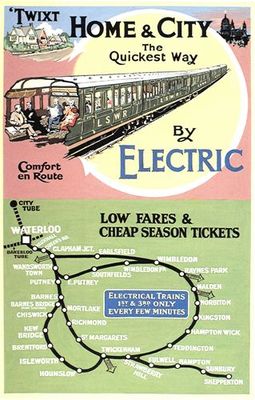
In these enlightened days of state-controlled railways and fare control it is sometimes difficult to believe that there was a time when railways were monopolies red in tooth and claw and were more or less free to do what they wanted.
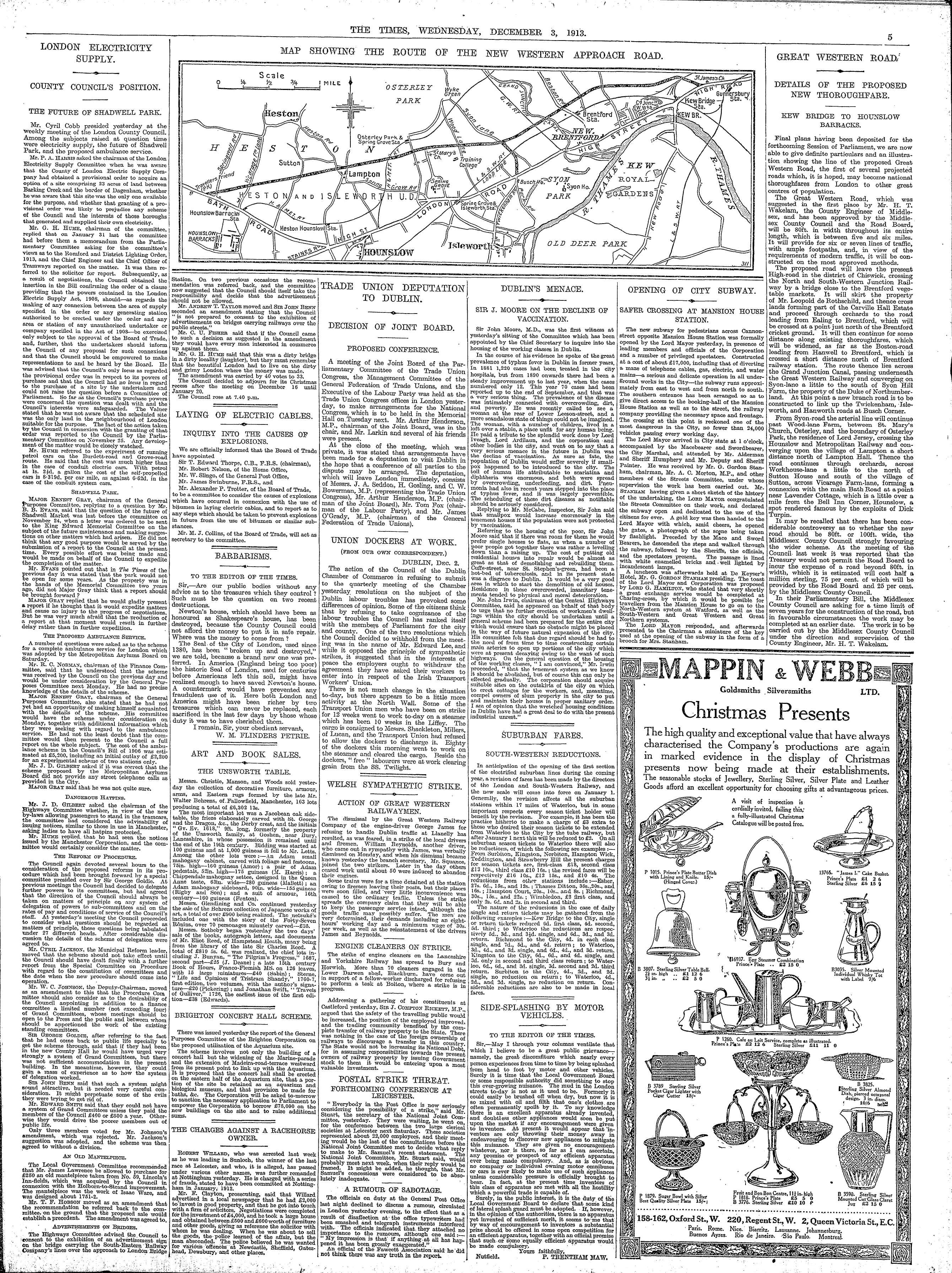
And here, from a hundred years ago, we have an egregious example of precisely the sort of monopoly abuse we have so often been warned of. It’s revision time for fares and you know what’s coming: they’re… er… reducing them:
 The Times 3 December 1913 p5 Well, that’s as may be but the only reason they’re doing that is because they’re making the service… er… better:
In anticipation of the opening of the first section of the electrified suburban lines during the coming year…
As it happens the lines to which they refer weren’t electrified until 1916 – not that that is particularly important.
So, what’s going on? Well, as Brian Micklethwait likes to point out everything competes with everything else. Railways may not compete much with other railways but they sure as hell compete with buses, trams, cars, moving nearer work and finding a job nearer where one lives.
Even so, railwaymen often refer to the “sparks effect”. This is the phenomenon whereby a newly electrified line will see a significant increase in passengers. With that in mind you would have thought they could increase their fares. I can only imagine fares are being reduced because they are able to run more services.
By the way, not strictly relevant but I loved this from column 1 on the same page:
Mr J. D. Gilbert asked the chairman of the Highways Committee whether in view of the by-laws allowing passengers to stand in the tramcars, the committee had considered the advisability of issuing notices, similar to those in use in Manchester, asking ladies to have all hatpins protected.
Incoming from Michael J:
God Bless Capitalism.
Read all about:
The Package Saver
The Table Box
The GreenBox
Hell’s Pizza Coffin Box
The Euro Lock Box
The VENTiT Box
Pizza Hut Hot Spot
Read more by buying the book.
The Independent, looking back over the year through its deep green spectacles, tells us:
It was mostly a terrible year for the environment. In the UK, Environment Secretary Owen Paterson continued to prompt speculation that he is a climate sceptic and Chancellor George Osborne carried on putting off potential investors in green energy, most obviously by scrapping from the Energy Bill a clause to green Britain’s power supply by 2030.
Meanwhile, for reasons I have not been following, badgers are being killed.
People like Osborne, Paterson and their ilk, in Britain and around the world, could be doing much better, but reports like this remind us that things could be far worse. At least the argument is flowing in the sane direction and away from climate catastrophism. And, with painful slowness, the power and the money are now responding to this change in the climate, as in: change in the climate of opinion.
Meanwhile, the world continued to experience the kind of extreme weather events that cannot be directly linked to climate change but which scientists say are likely to occur more often as a result of a changing climate.
I love that “cannot be directly linked” bit. As in: cannot be directly linked, no matter matter how hard the Independent’s preferred scientists are trying. These guys are just too obvious about what they want to be true.
The climate itself remains much the same.
I just wished the readers of my personal blog (and these people do exist) a Merry Christmas by sticking up photos of local tradesmen’s signs saying Merry Christmas.
But I saved this sign for here:

There is also a website. I particularly like this bit of it.
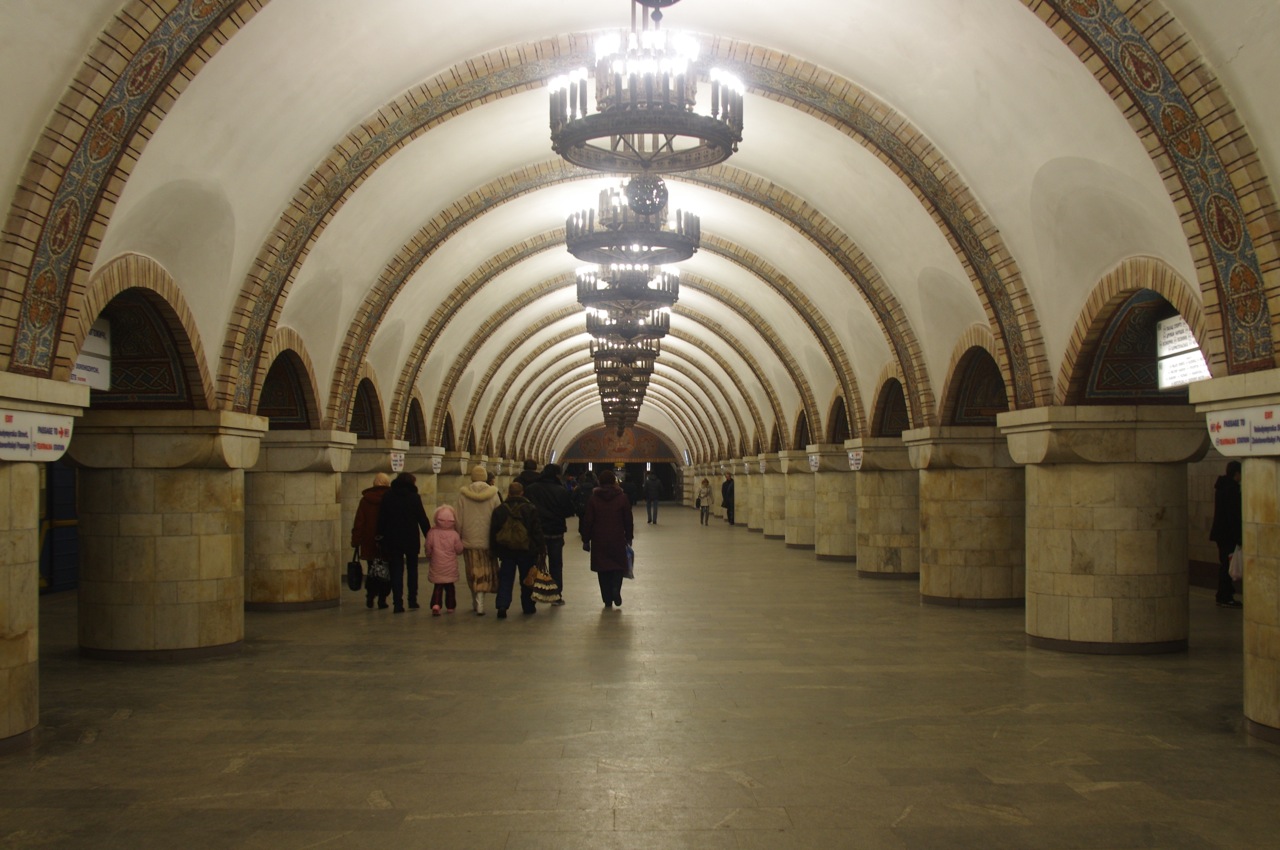
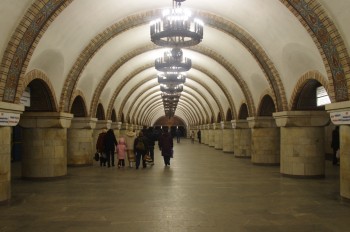 Kiev, Ukraine. January 2013 Kiev, Ukraine. January 2013
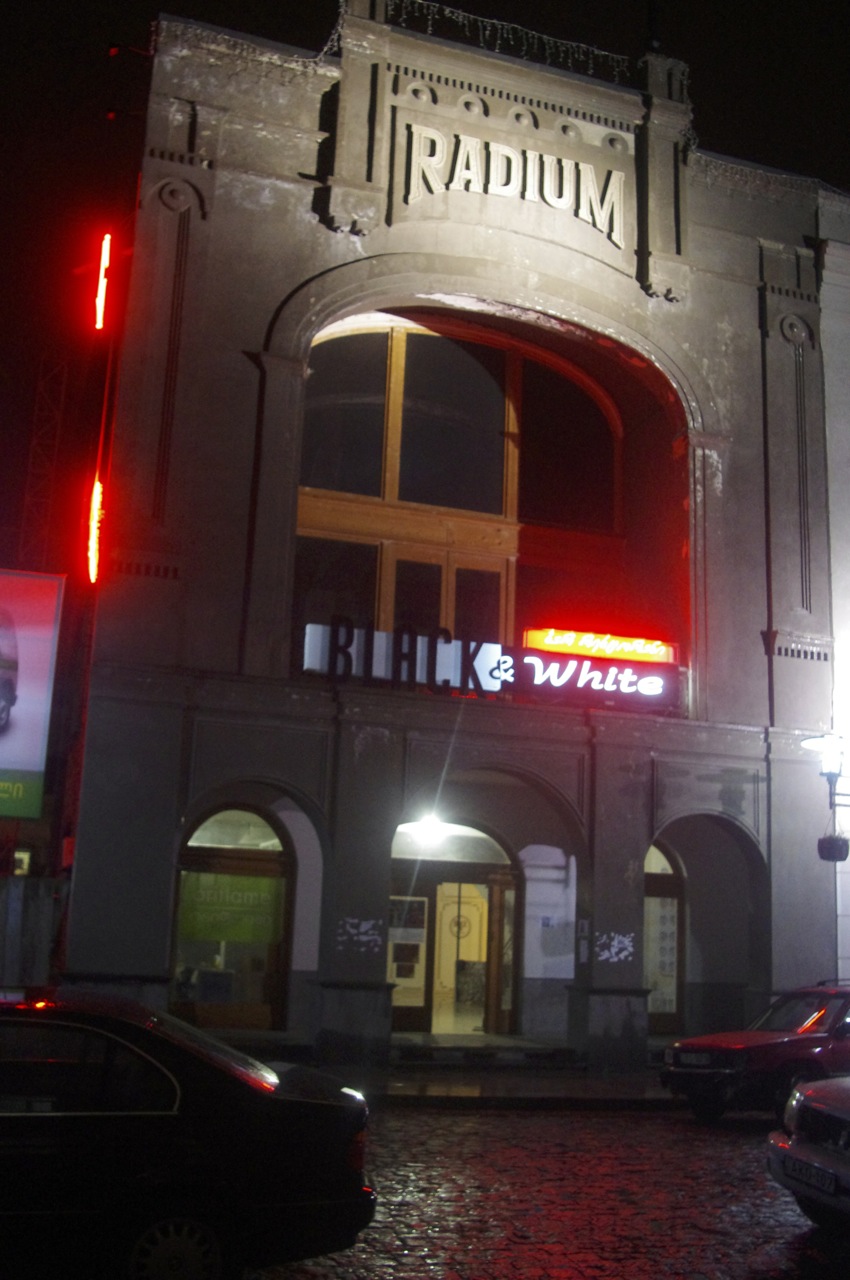
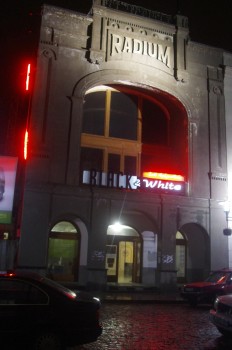 Kutaisi, Georgia. January 2013 Kutaisi, Georgia. January 2013
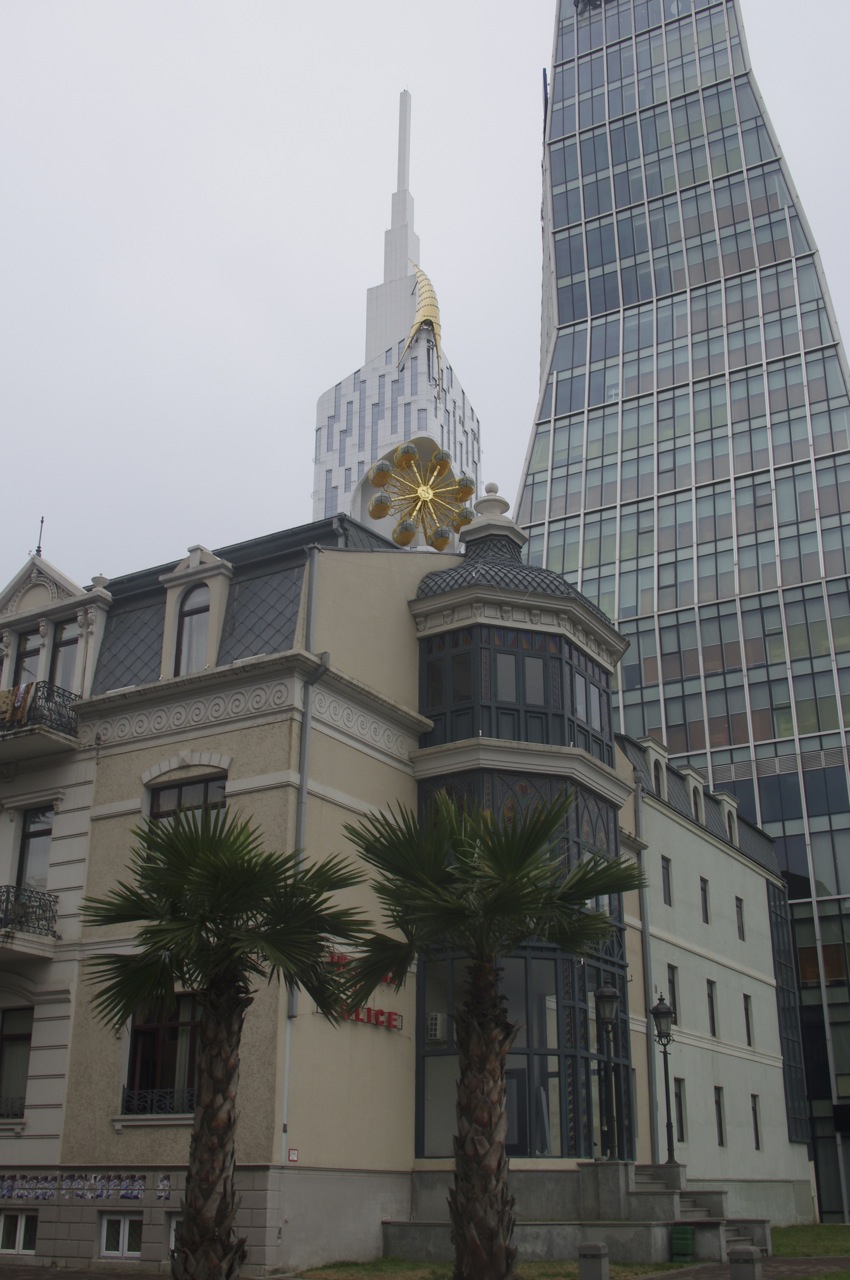
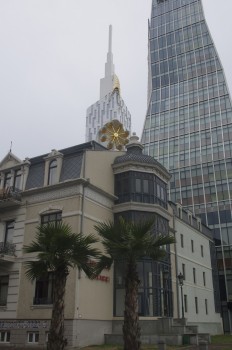 Batumi, Adjara. January 2013 Batumi, Adjara. January 2013
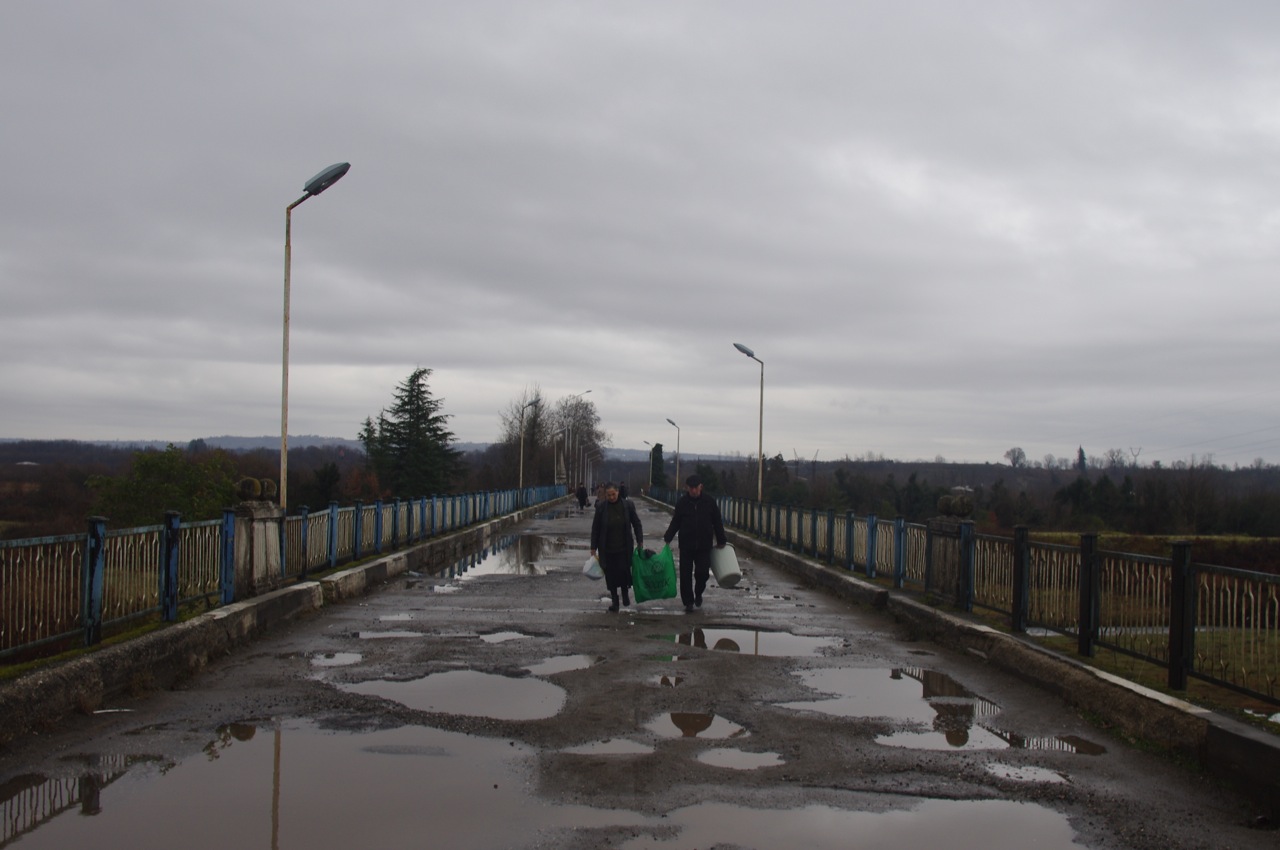
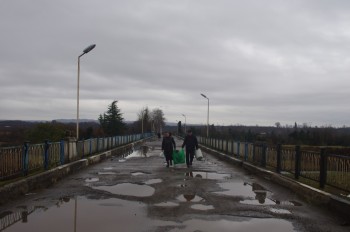 Inguri Bridge, January 2013 Inguri Bridge, January 2013
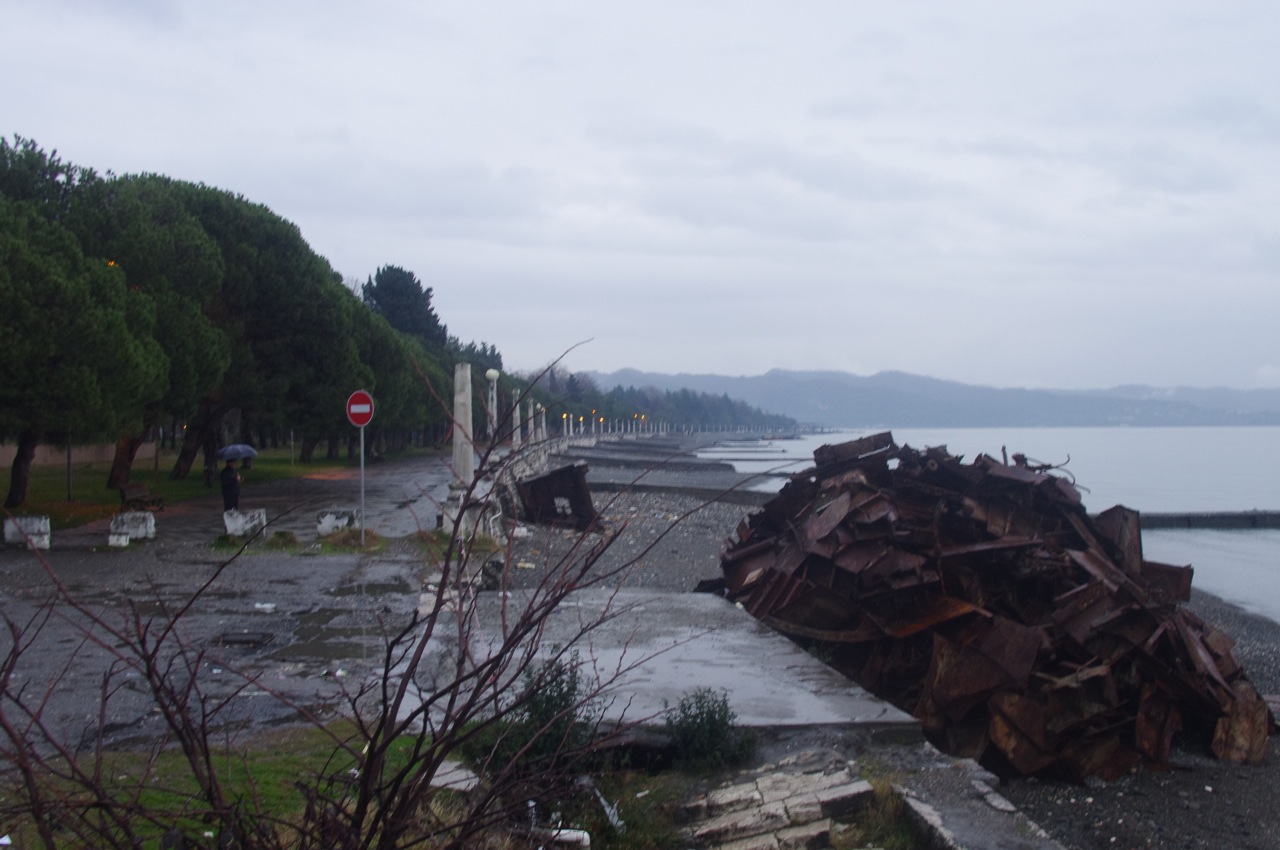
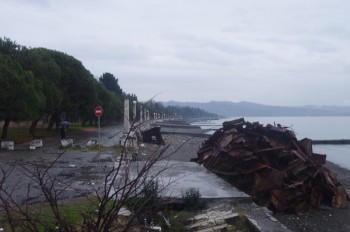 Sukhomi, Abkhazia. January 2013 Sukhomi, Abkhazia. January 2013
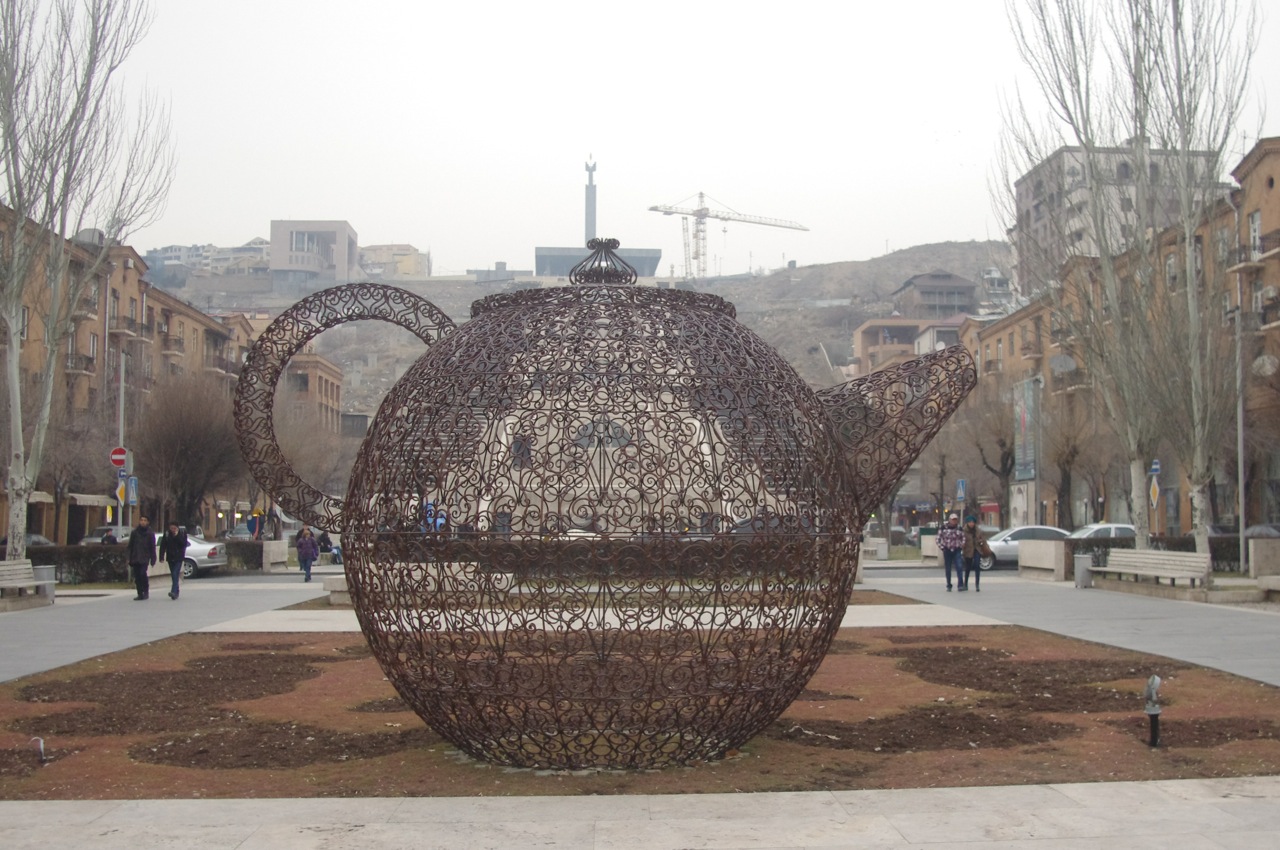
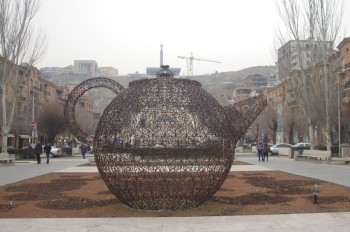 Yerevan, Armenia. February 2013 Yerevan, Armenia. February 2013
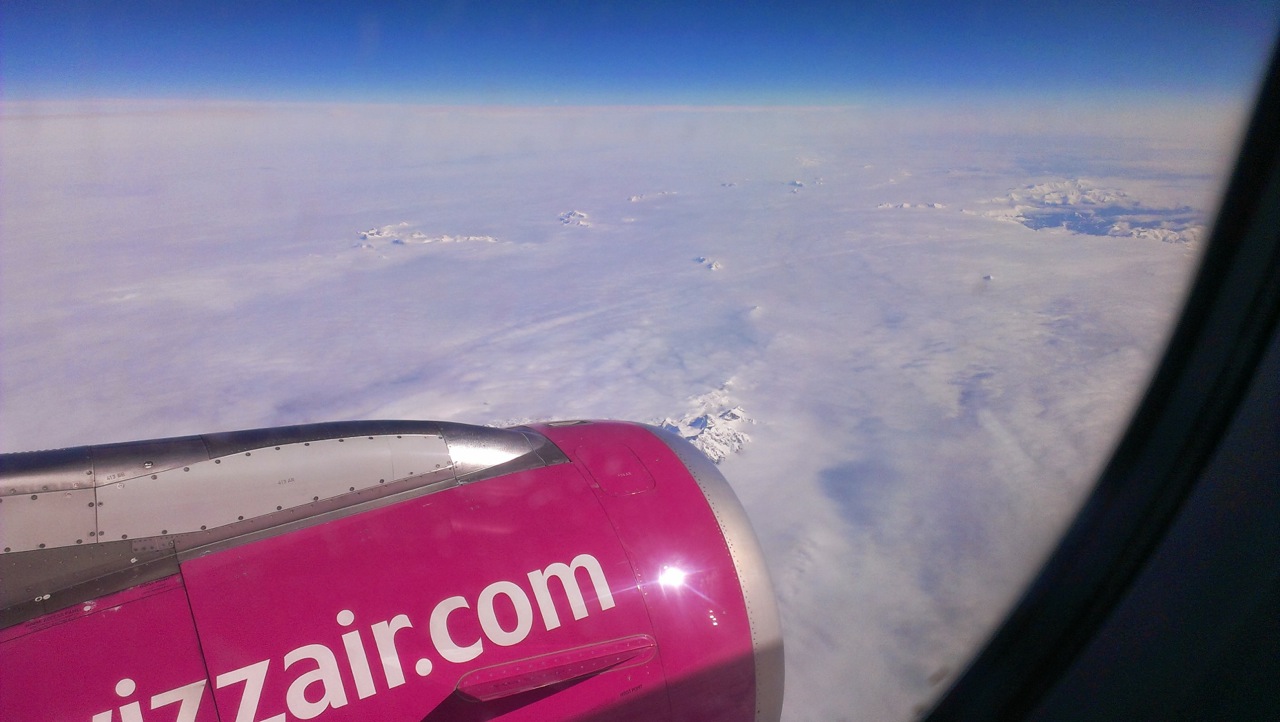
 38,000 feet. February 2013 38,000 feet. February 2013
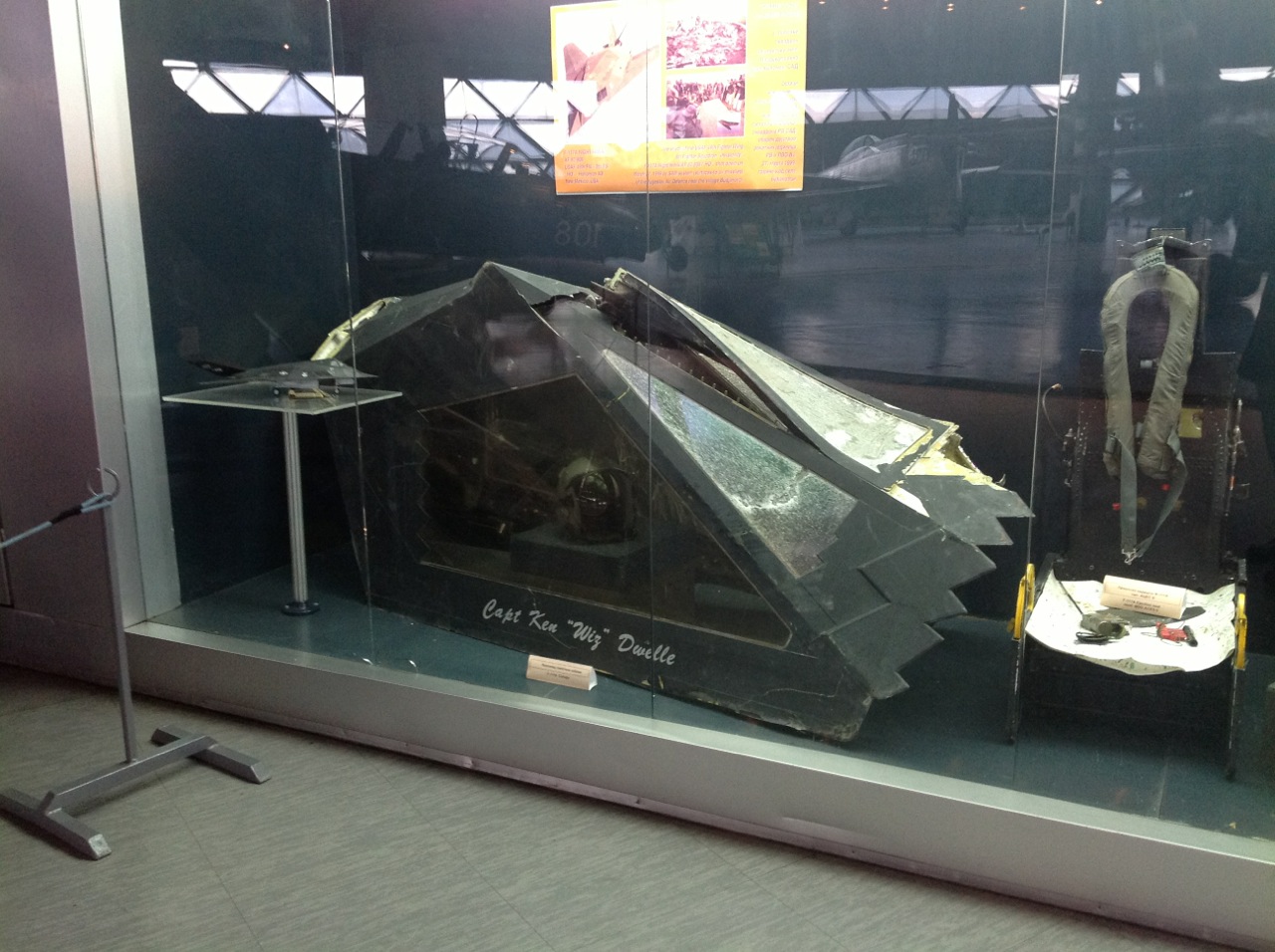
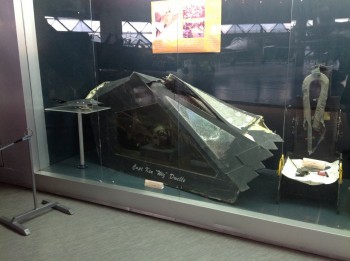 Belgrade, Serbia. February 2013 Belgrade, Serbia. February 2013
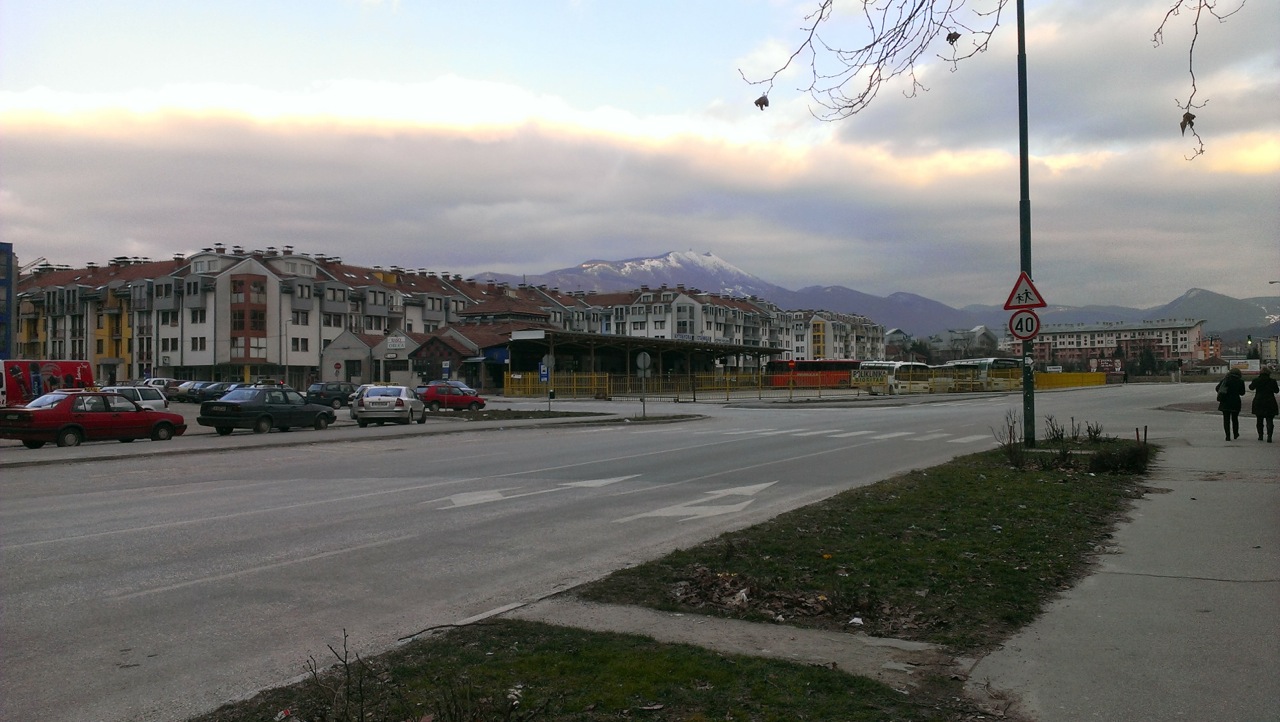
 Sarajevo, Federation of Bosnia and Herzegovina. March 2013 Sarajevo, Federation of Bosnia and Herzegovina. March 2013
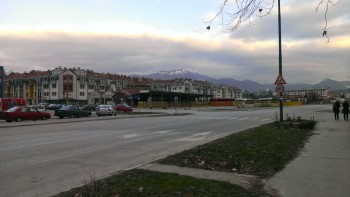 Istočno Sarajevo, Republic Srpska. March 2013 Istočno Sarajevo, Republic Srpska. March 2013
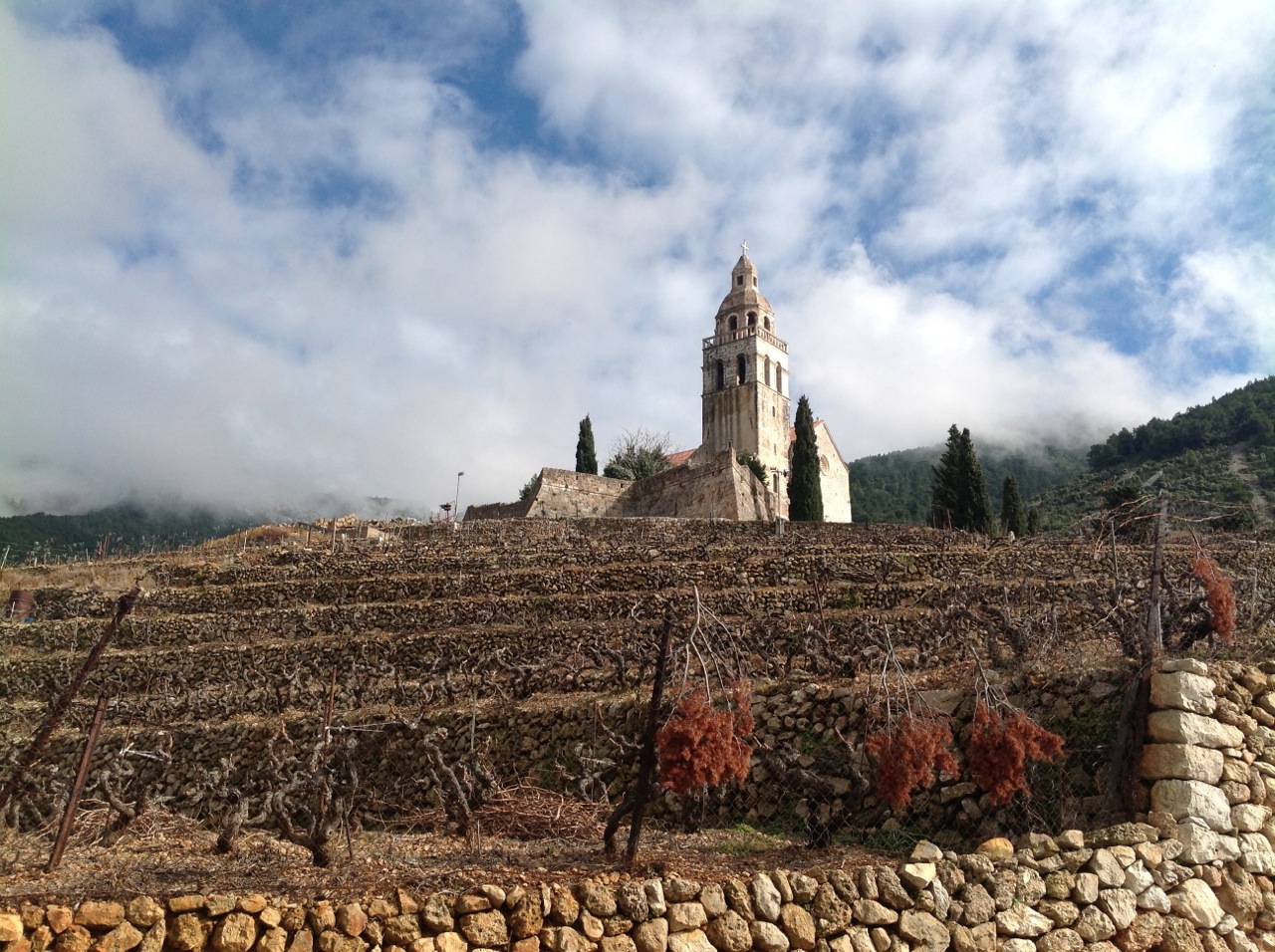
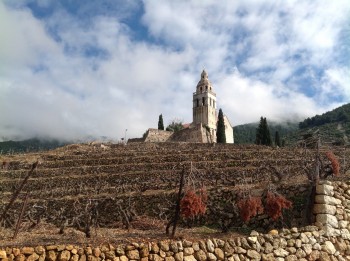 Vis Island, Croatia. March 2013 Vis Island, Croatia. March 2013
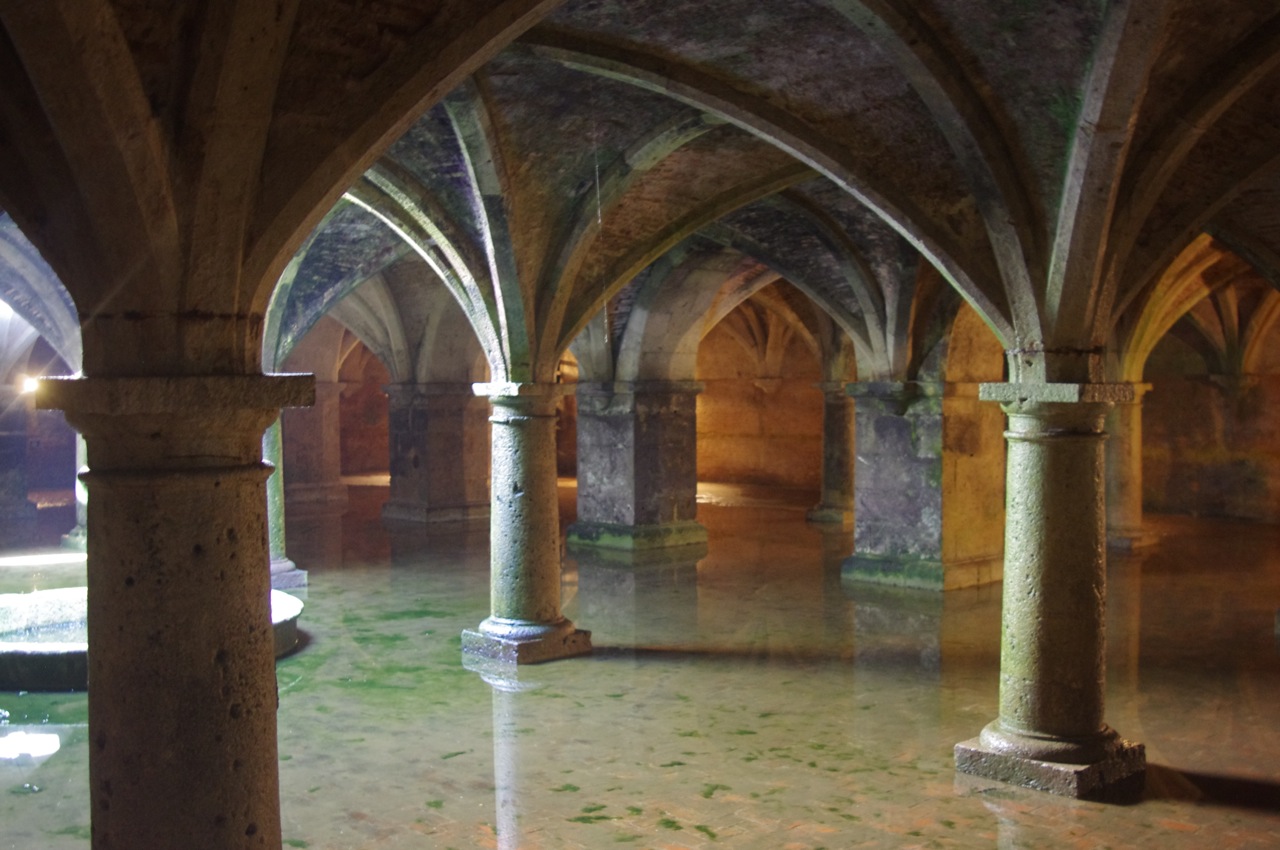
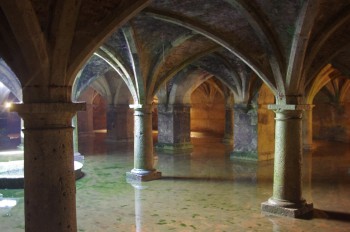 Al Jadida, Morocco. April 2013 Al Jadida, Morocco. April 2013
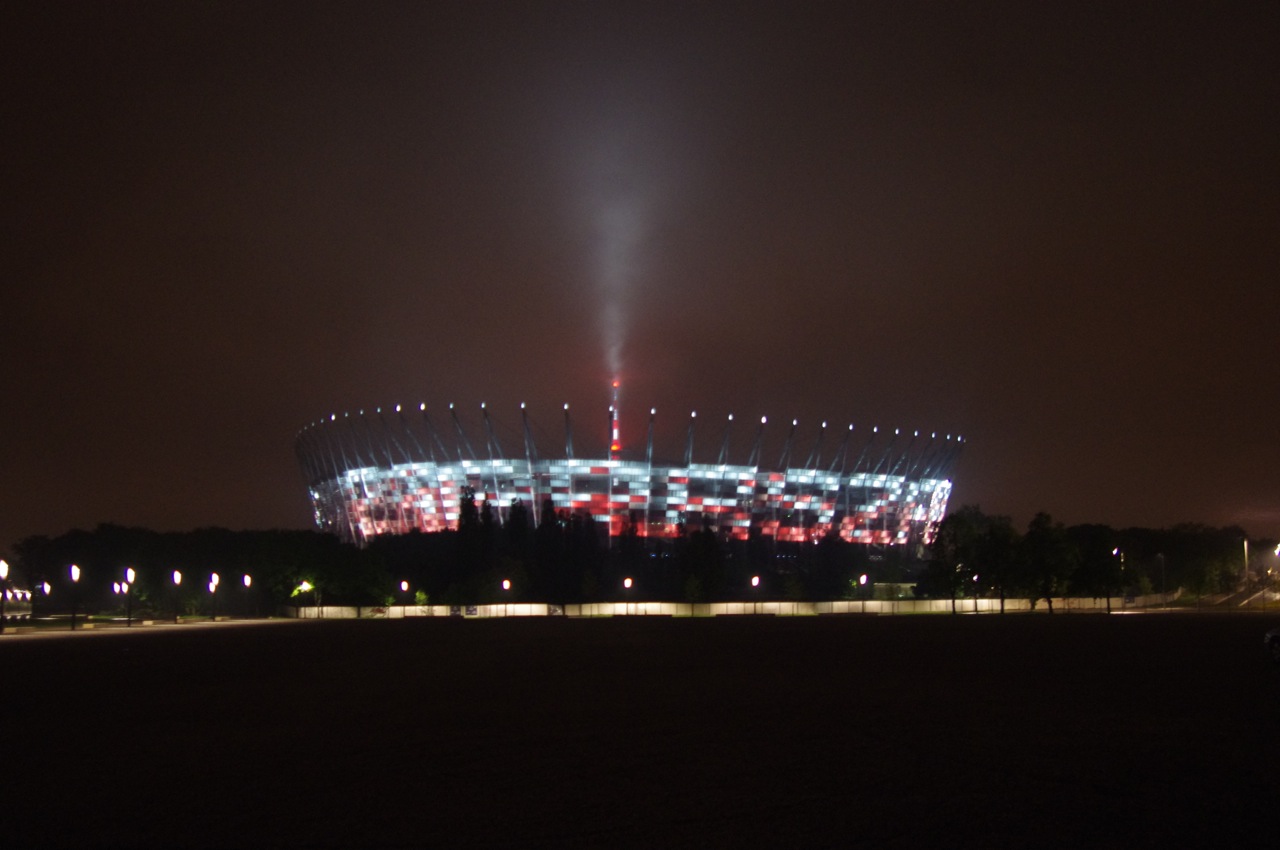
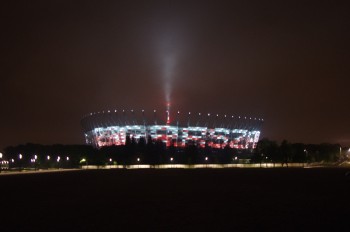 Warsaw, Poland. May 2013 Warsaw, Poland. May 2013
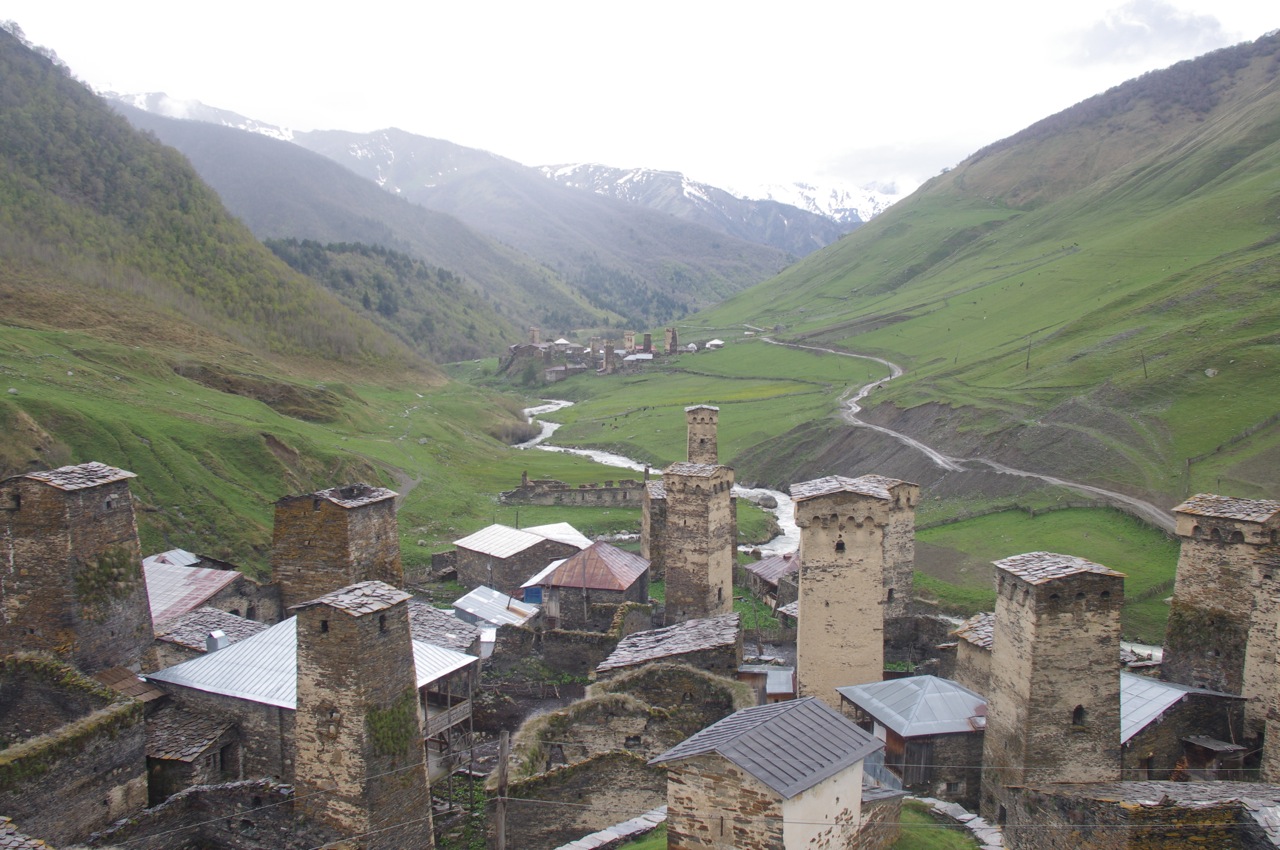
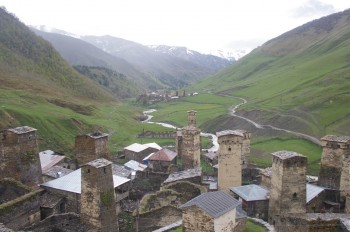 Ushguli, Georgia. May 2013 Ushguli, Georgia. May 2013
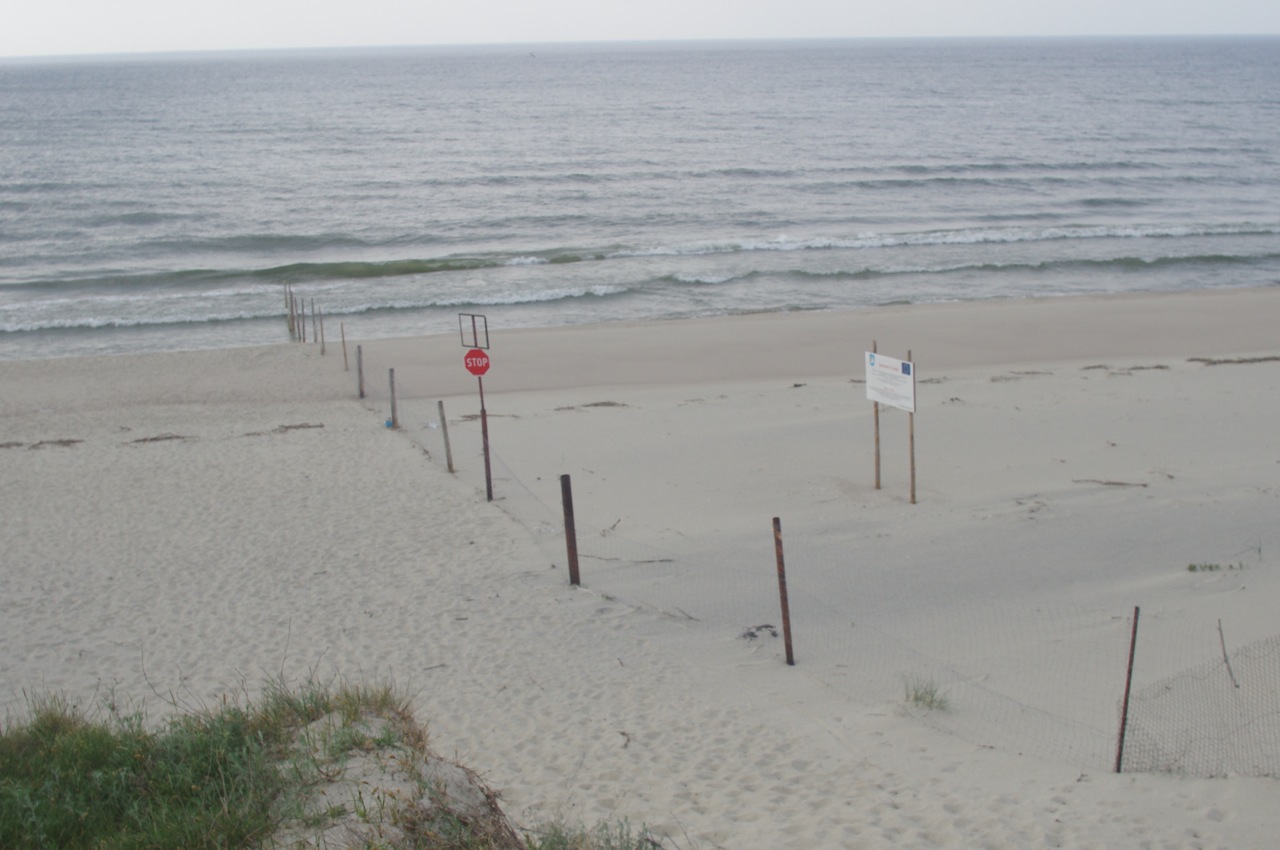
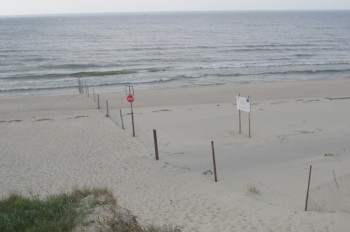 Nowa Carczma, Vistula Spit. June 2013 Nowa Carczma, Vistula Spit. June 2013
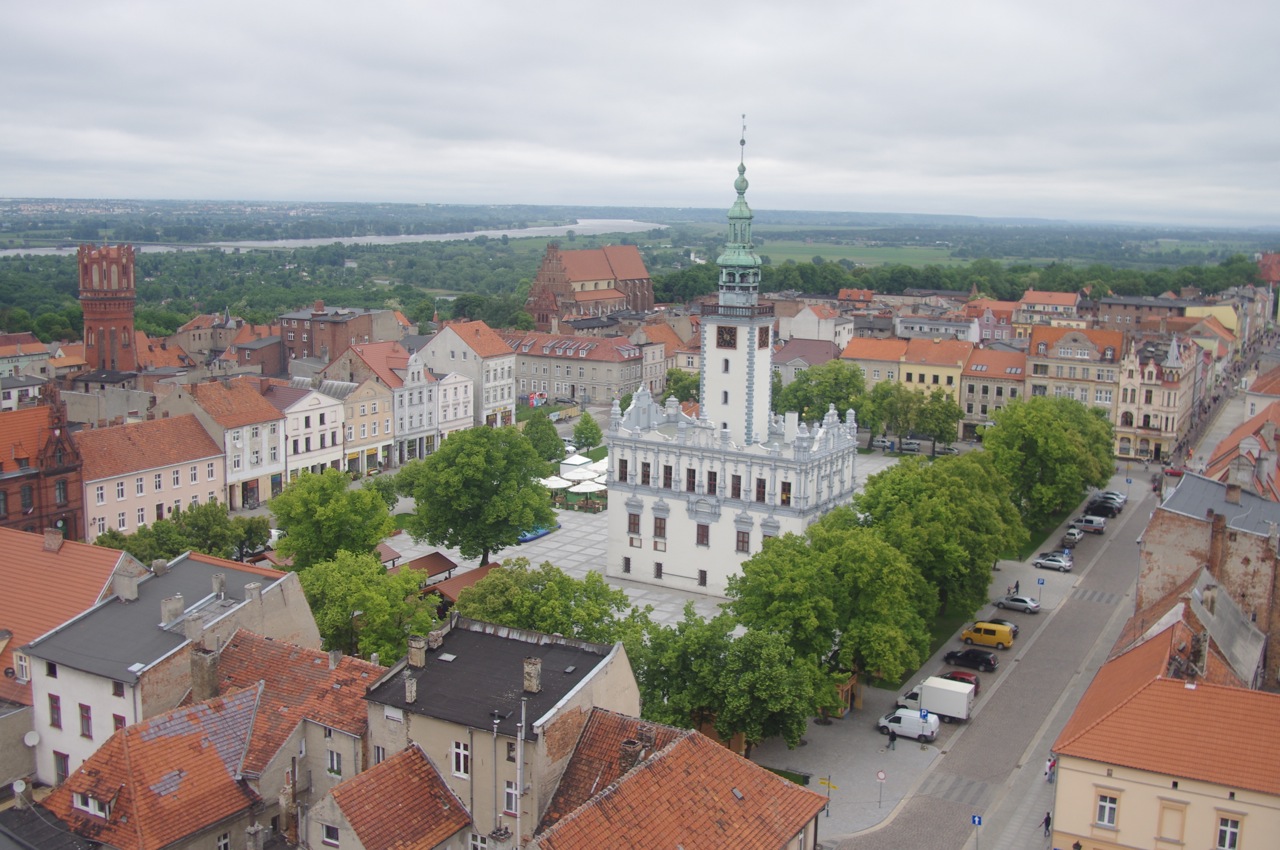
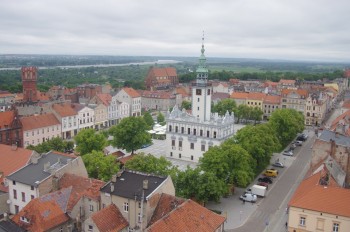 Chełmno, Poland. June 2013 Chełmno, Poland. June 2013
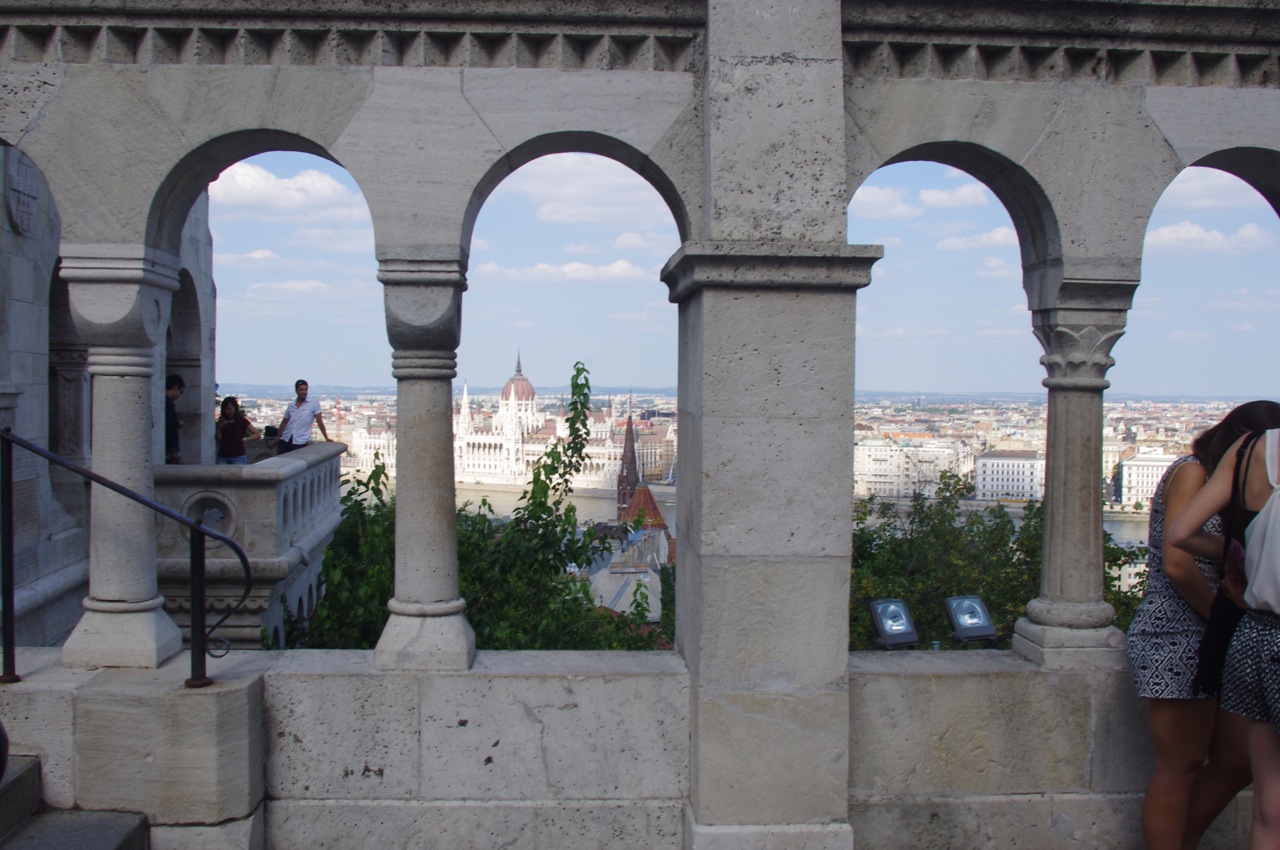
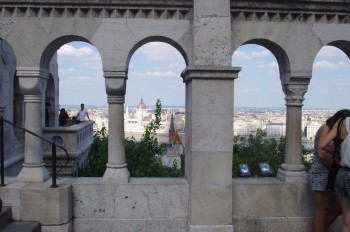 Budapest, Hungary. July 2013 Budapest, Hungary. July 2013
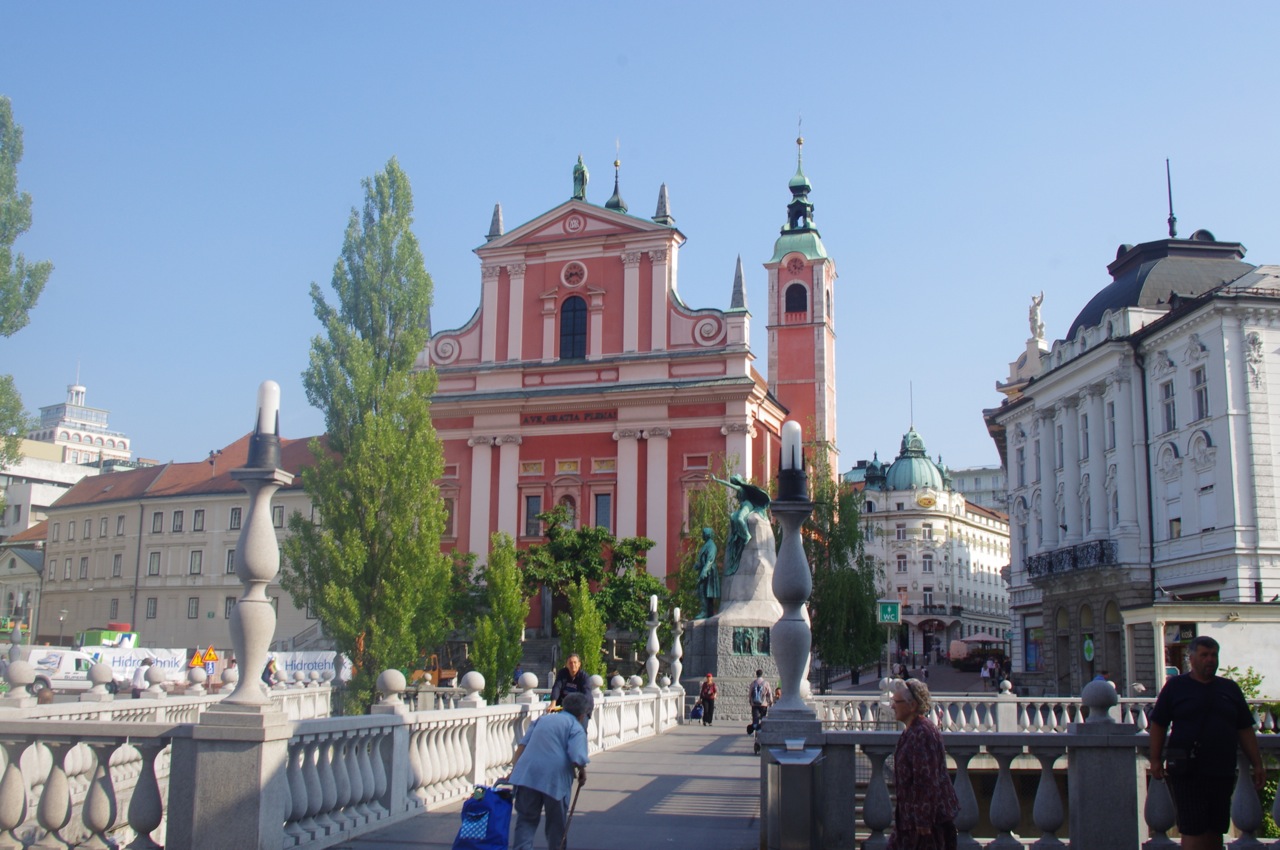
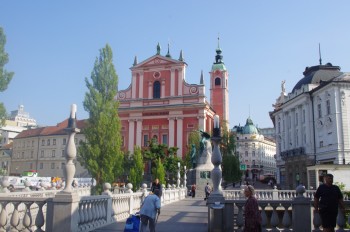 Ljubljana, Slovenia. July 2013 Ljubljana, Slovenia. July 2013
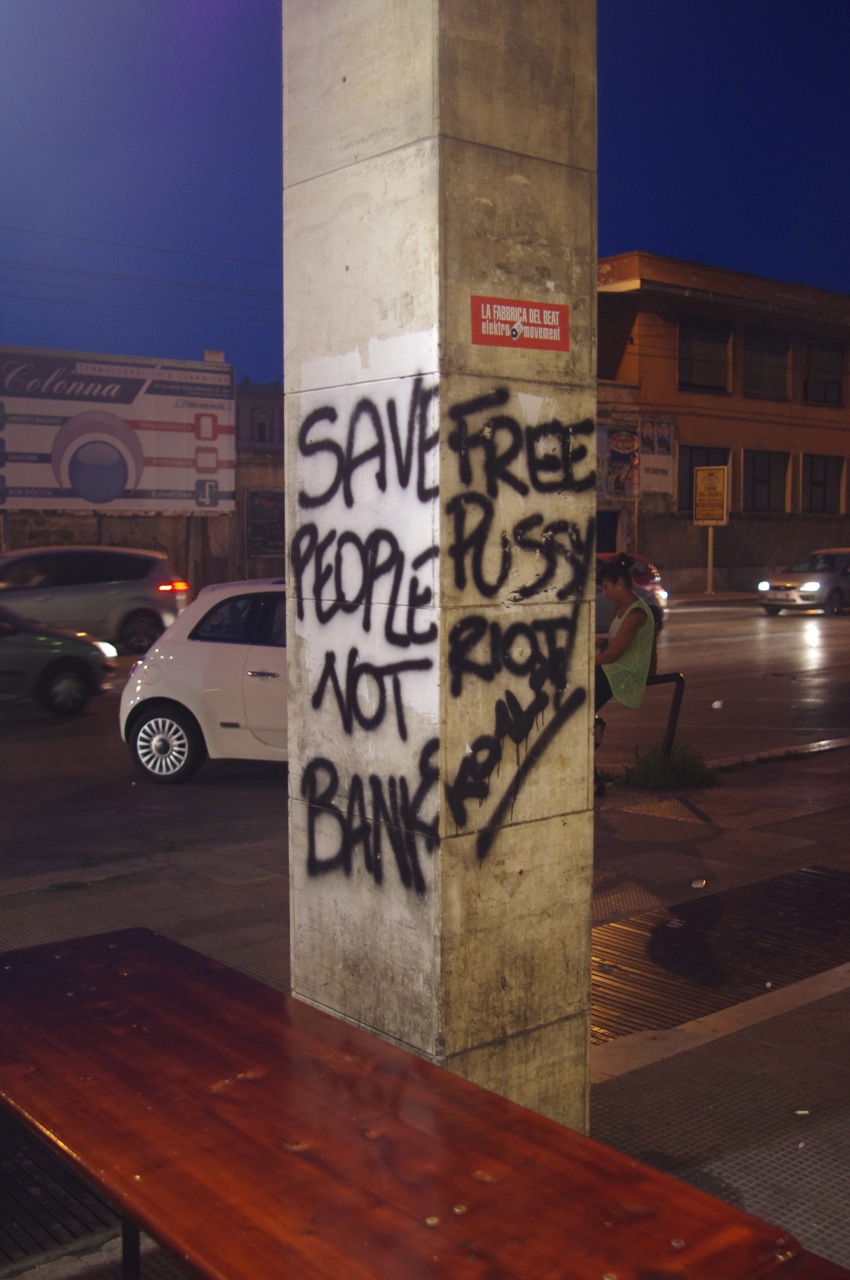
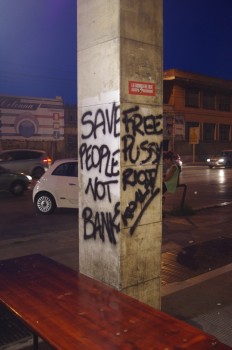 Bari, Italy. July 2013 Bari, Italy. July 2013
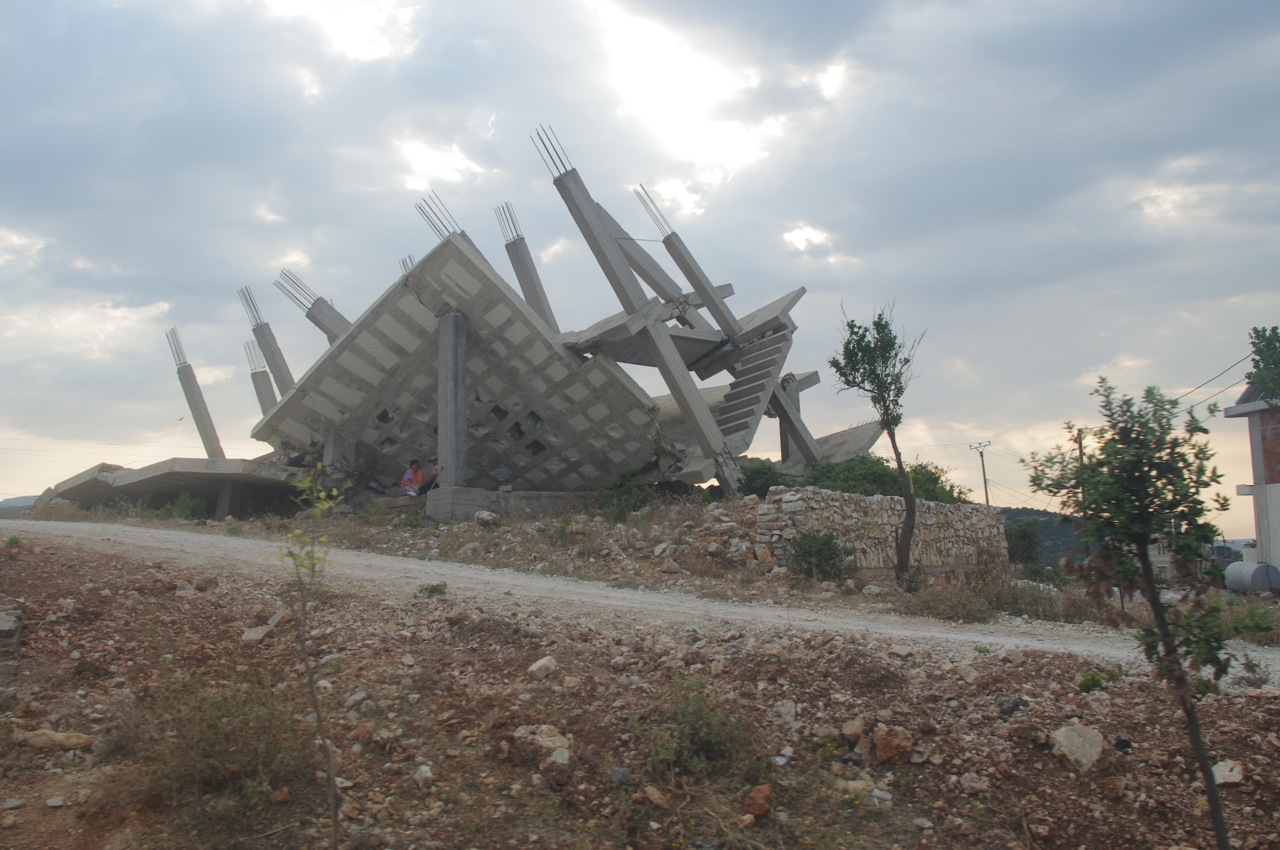
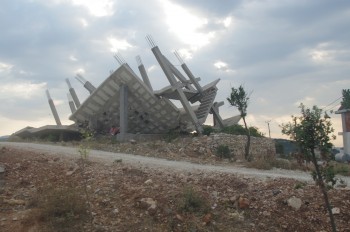 Ksamil, Albania. July 2013 Ksamil, Albania. July 2013
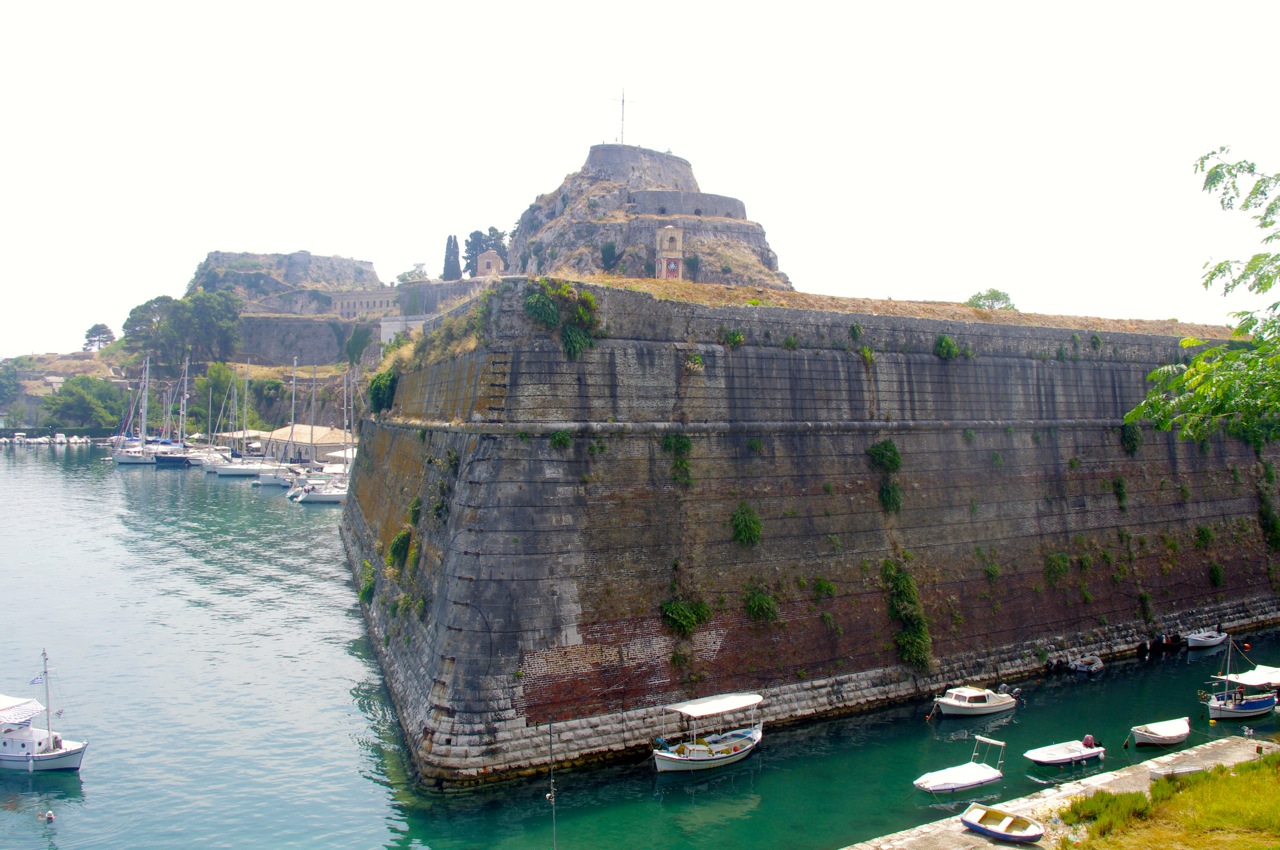
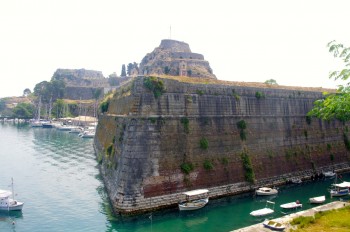 Kerkyra, Greece. July 2013 Kerkyra, Greece. July 2013
 Corfu Channel. July 2013 Corfu Channel. July 2013
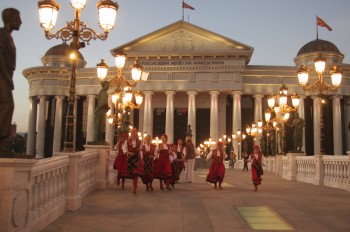 Skopje, Macedonia. July 2013 Skopje, Macedonia. July 2013
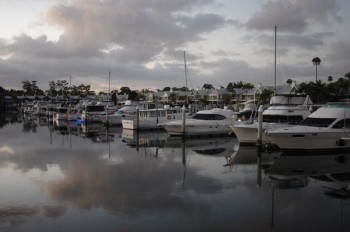 Sanctuary Cove, Australia. August 2013 Sanctuary Cove, Australia. August 2013
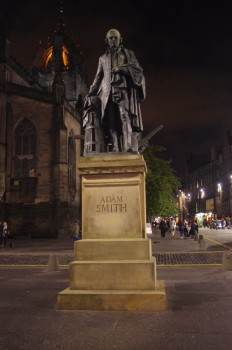 Edinburgh, Scotland. September 2013 Edinburgh, Scotland. September 2013
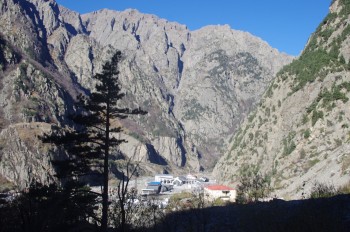 Darial Gorge. October 2013 Darial Gorge. October 2013
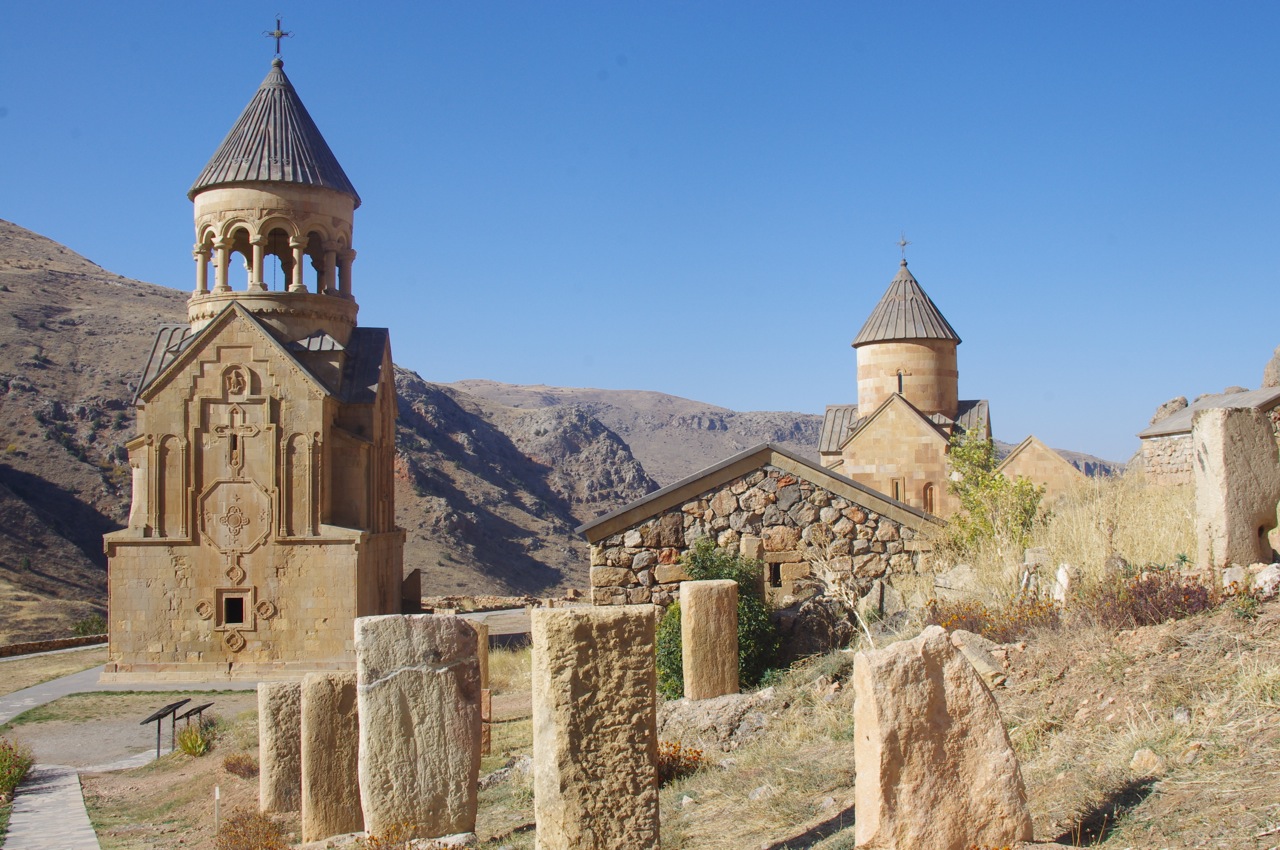
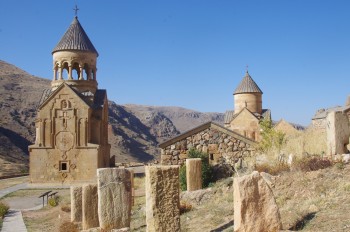 Noravank, Armenia. October 2013 Noravank, Armenia. October 2013
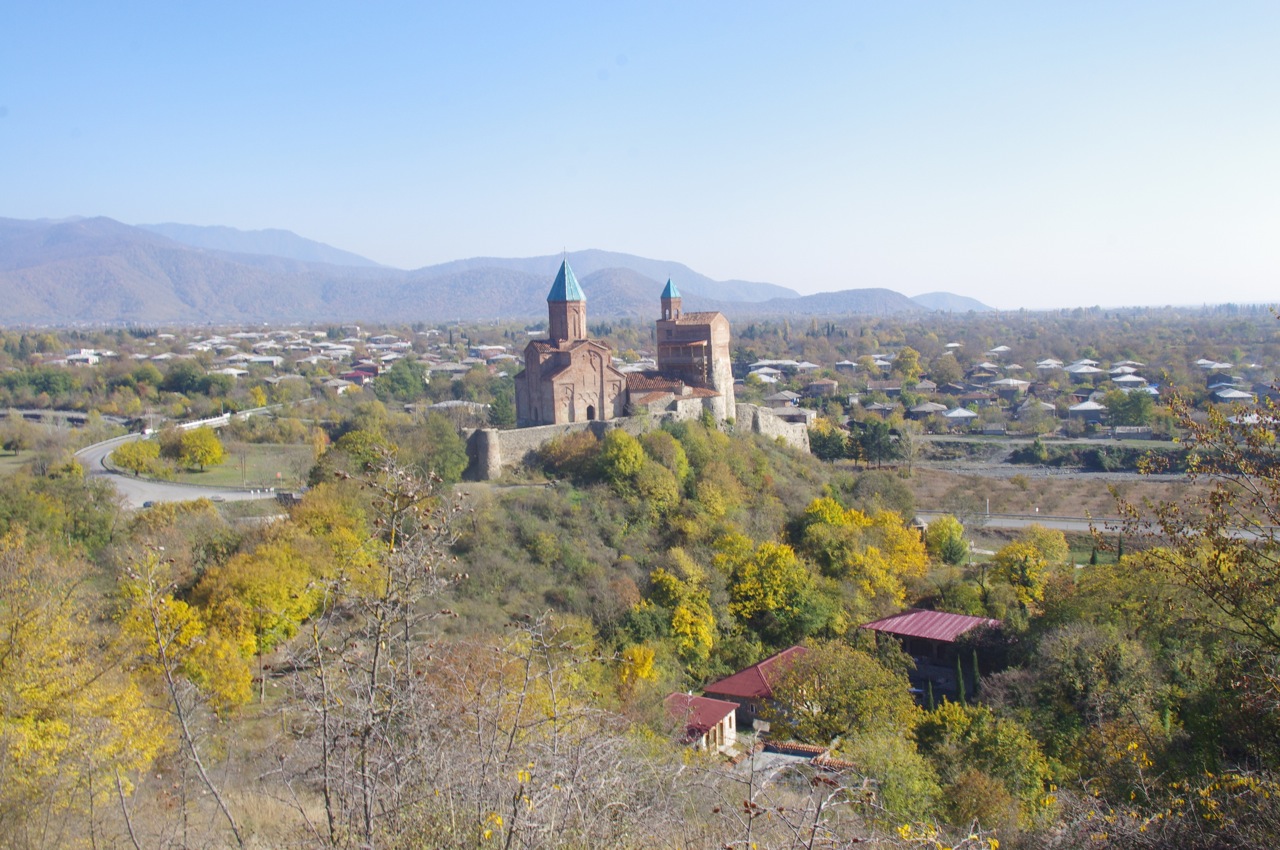
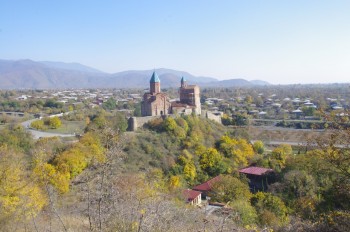 Gamla, Georgia. November 2013 Gamla, Georgia. November 2013
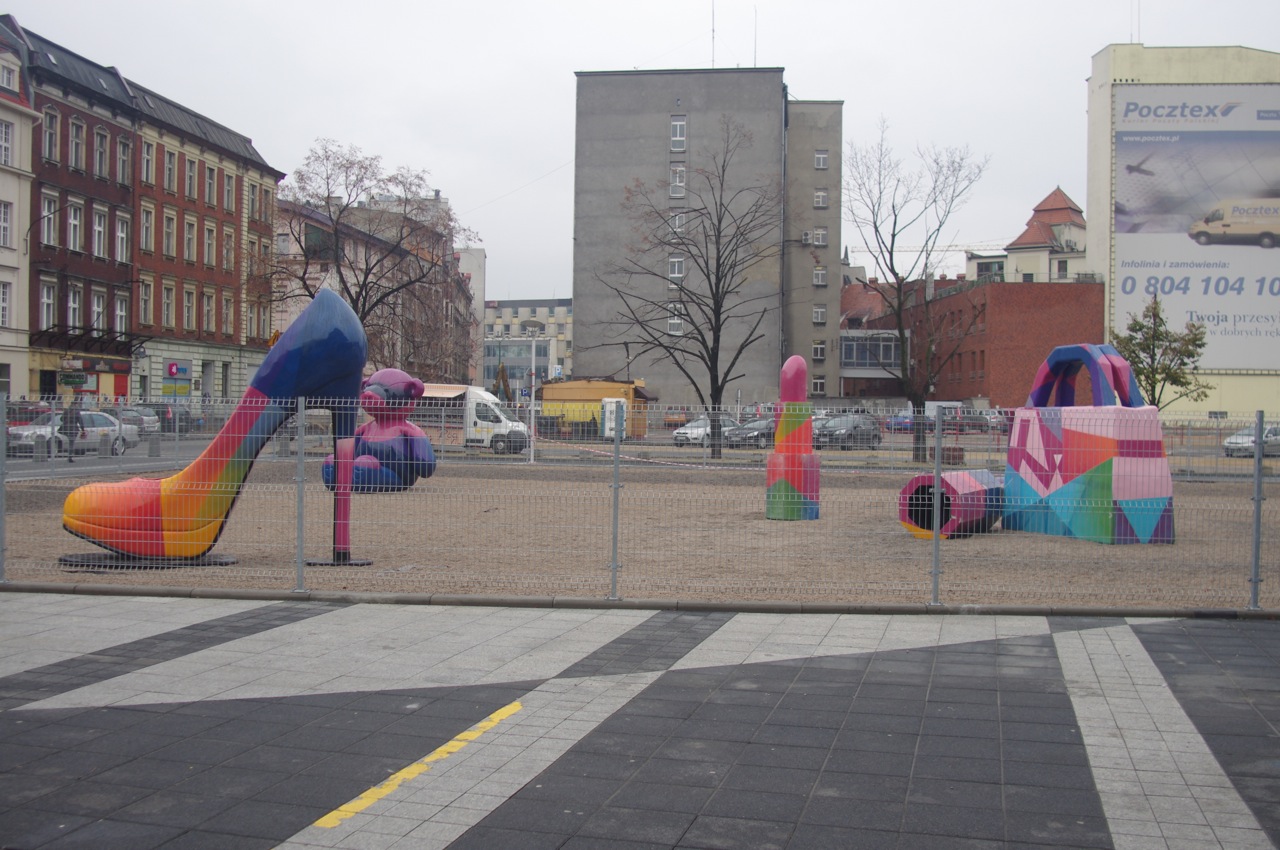
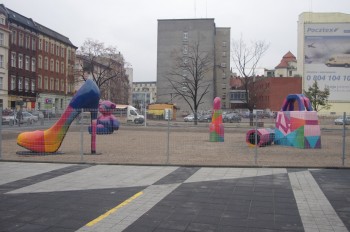 Katowice, Poland. November 2013 Katowice, Poland. November 2013
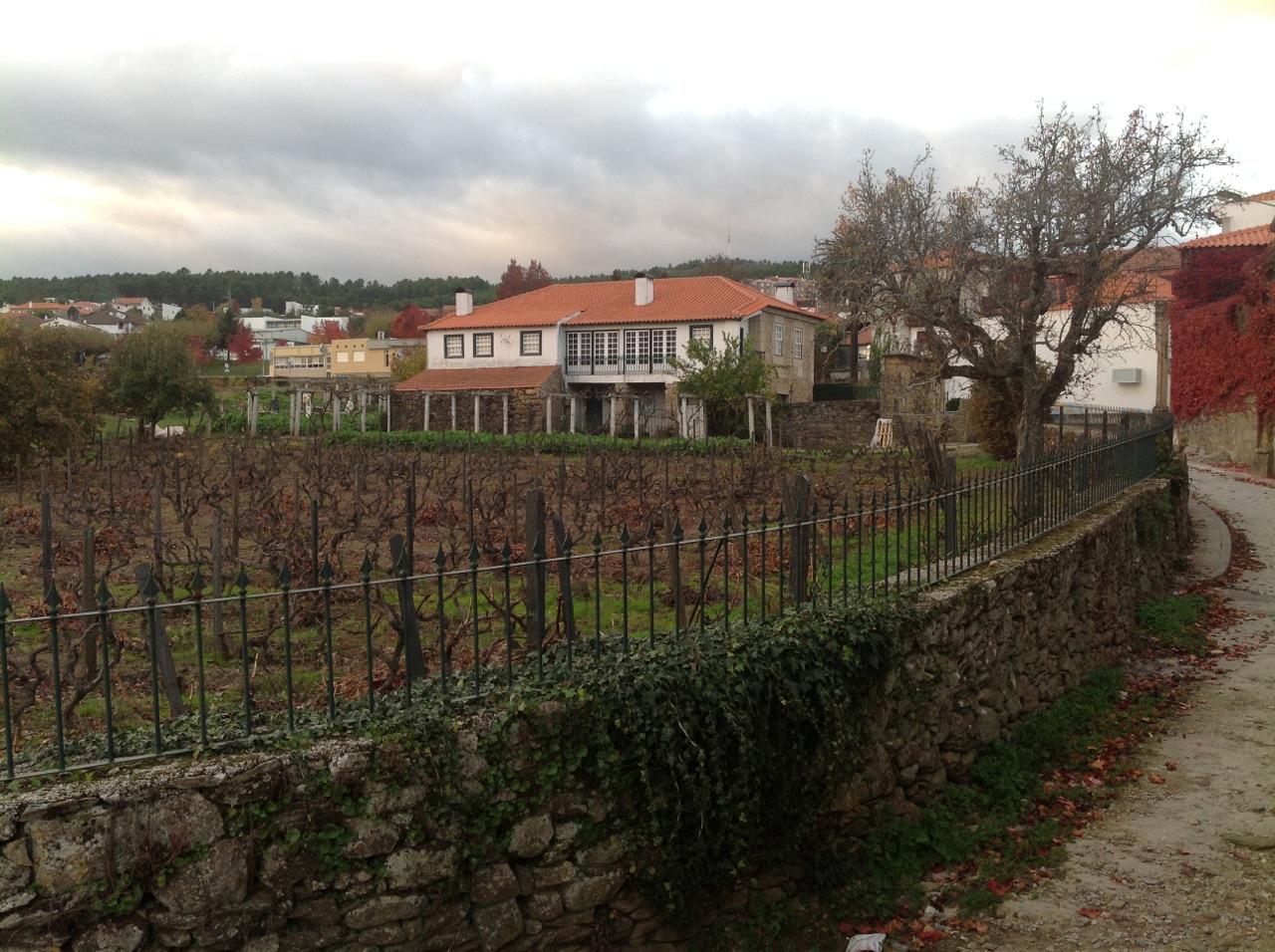
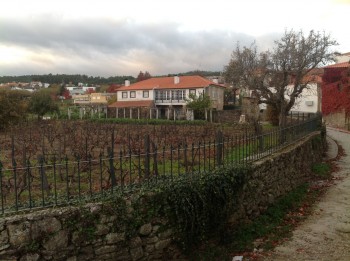 Sabrosa, Portugal. November 2013 Sabrosa, Portugal. November 2013
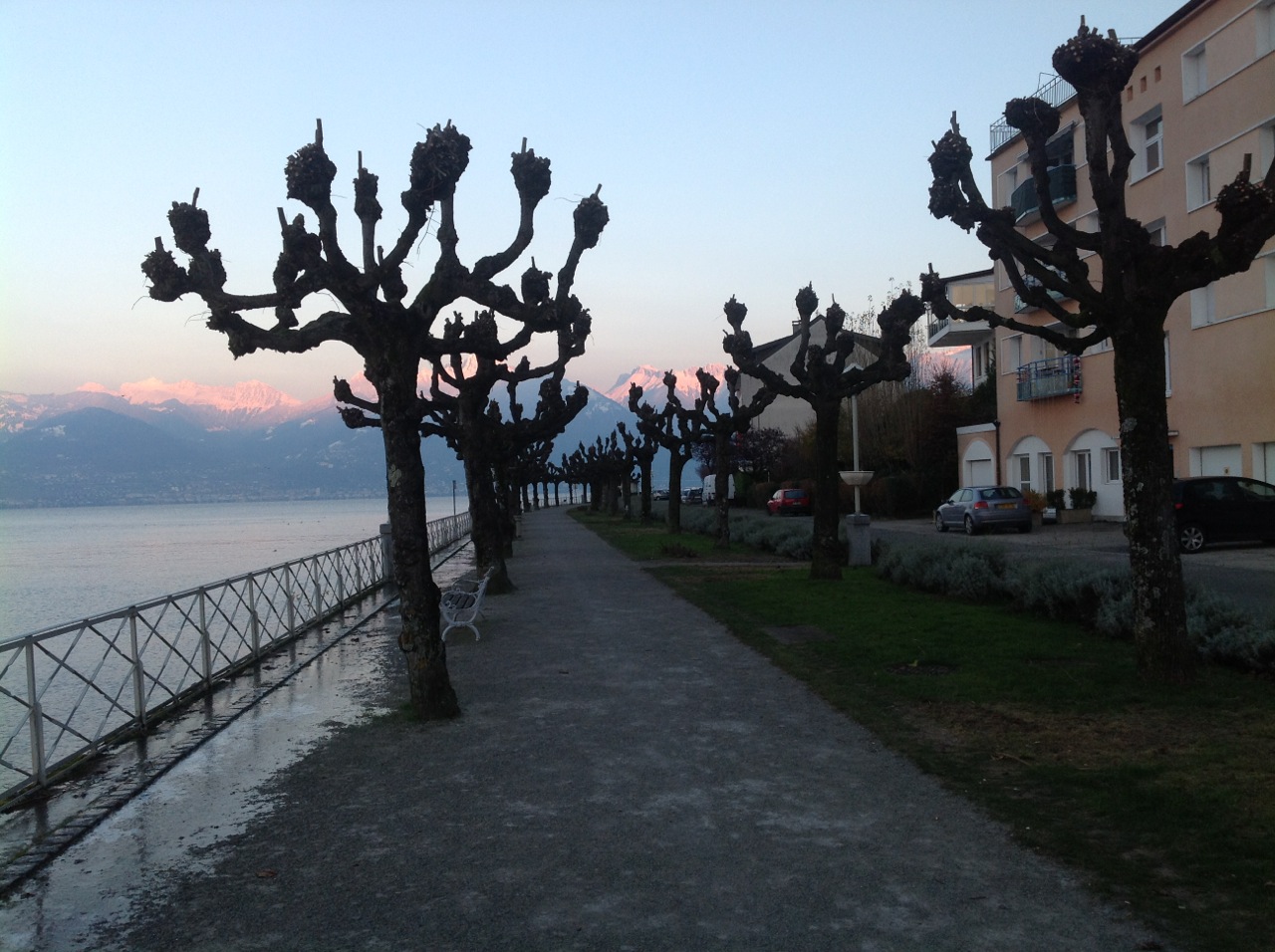
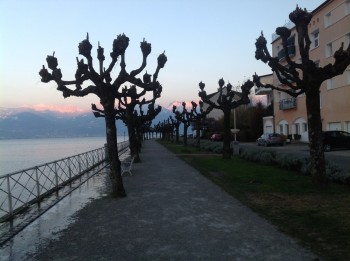 Saint-Gingolph, France. November 2013 Saint-Gingolph, France. November 2013
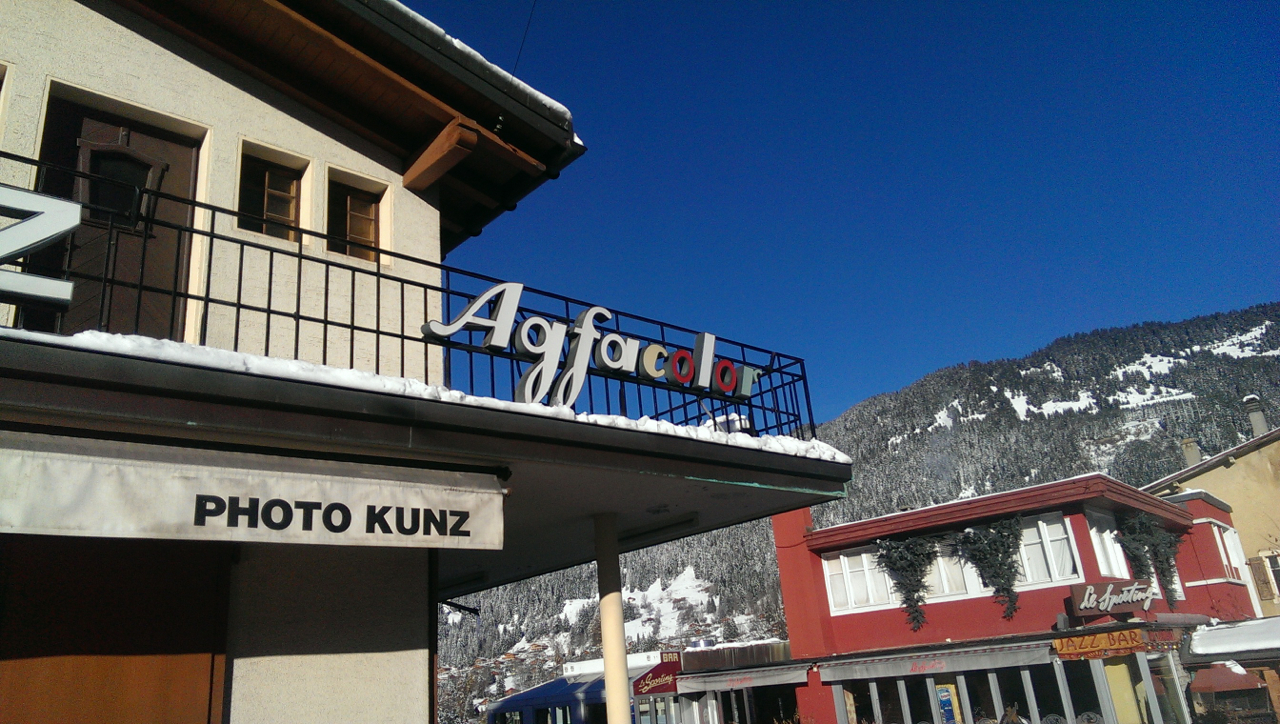
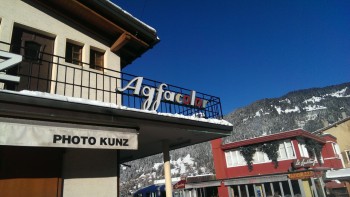 Villars, Switzerland. November 2013 Villars, Switzerland. November 2013
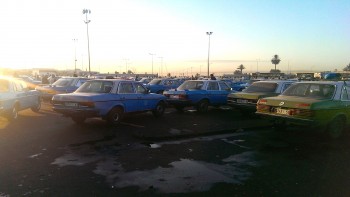
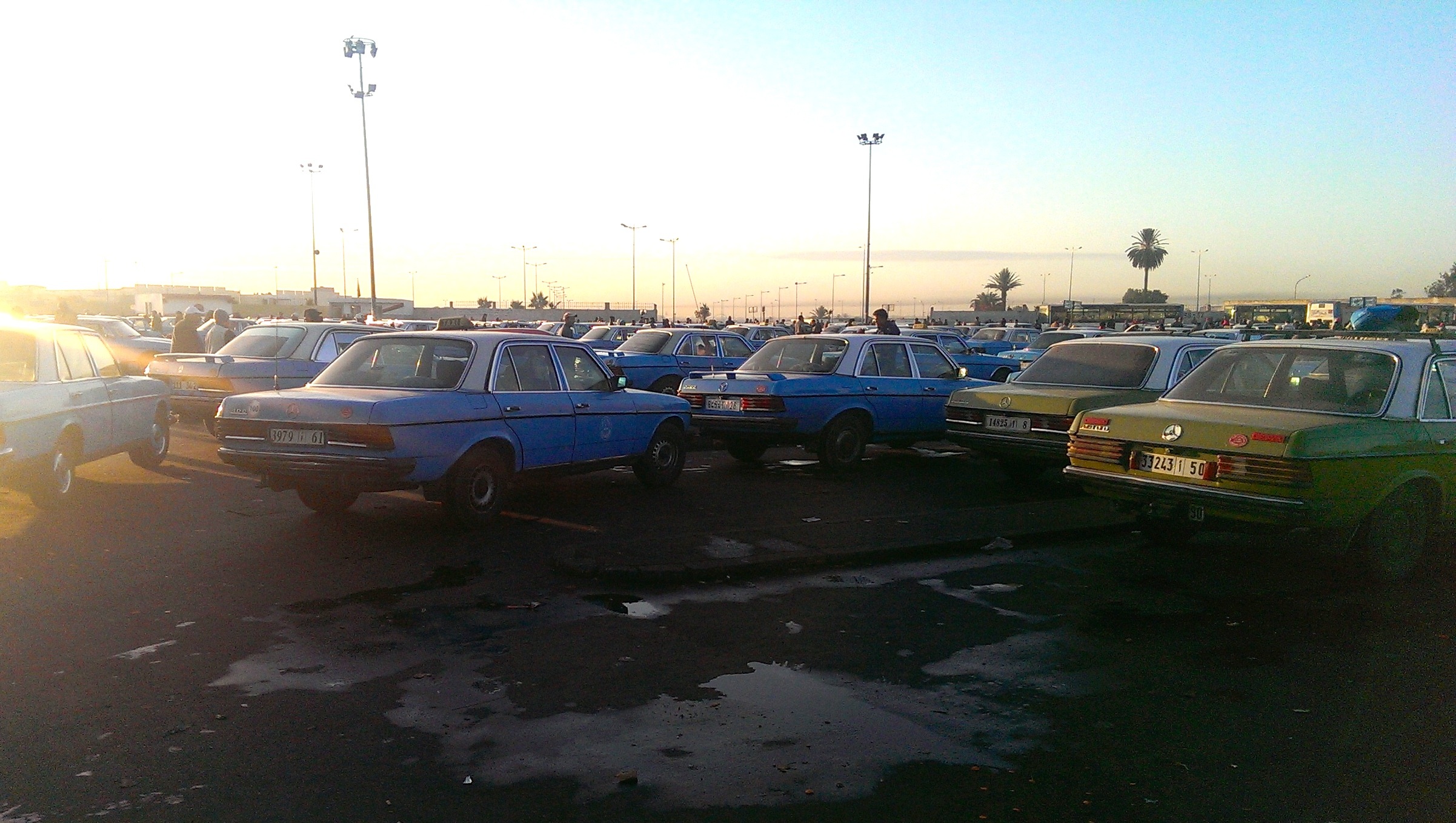
Inezgane, Morocco. December 2013
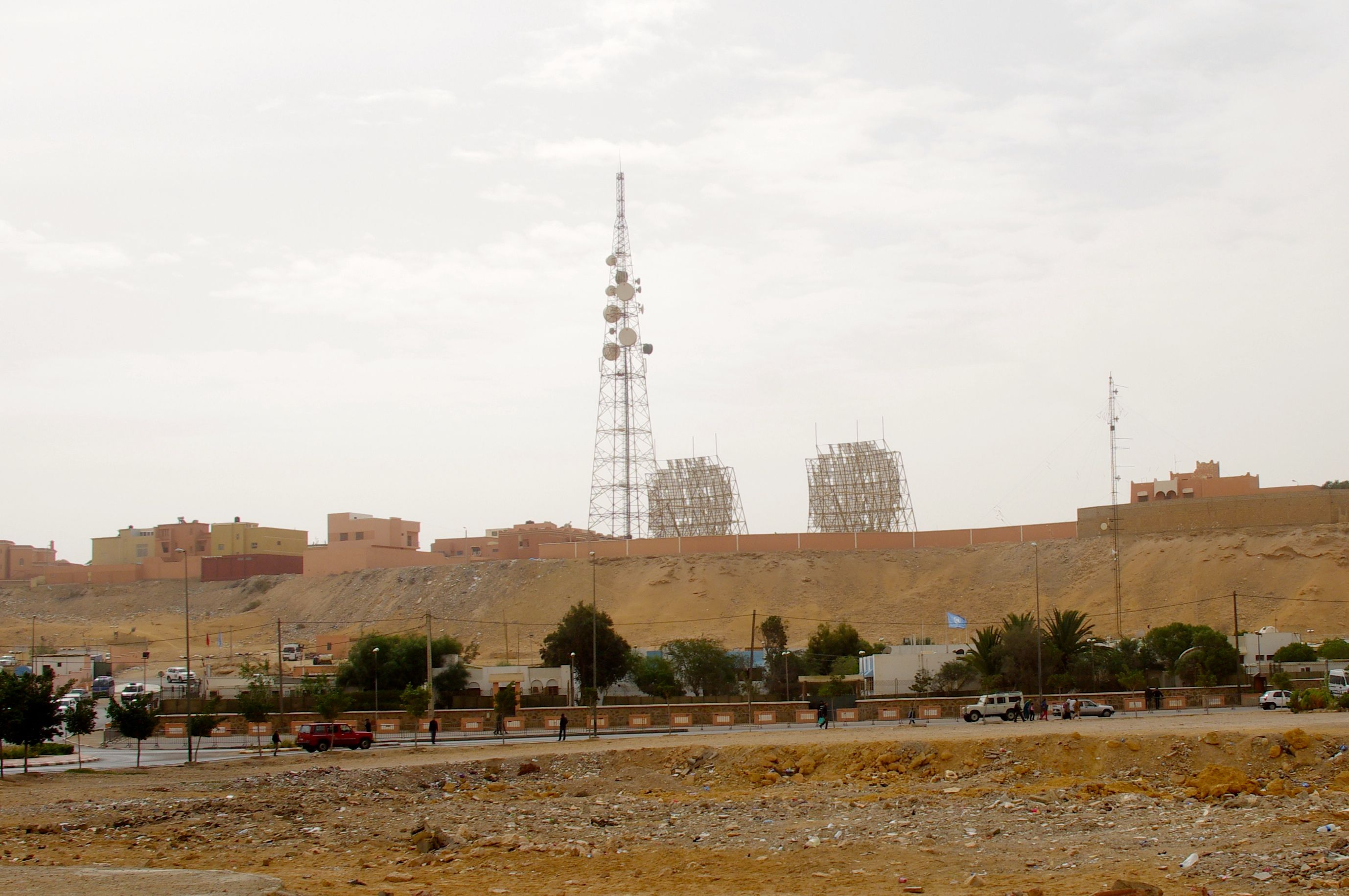
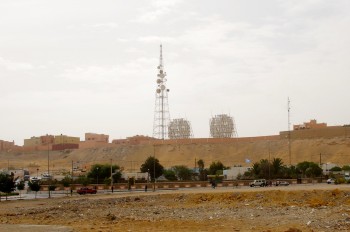 Laayoune, Western Sahara. December 2013 Laayoune, Western Sahara. December 2013
I see that Instapundit has become aware of Parkinson’s Other Law, the one about custom-built headquarters buildings. This is the law that says that any organisation which builds itself a brand new headquarters building is heading for disaster.
Instapundit links to a Wired piece about Apple’s new mega HQ, which does indeed look like a recipe for corporate disaster. This new Apple enormity looks a lot like the GCHQ building in Cheltenham, which was completed in 2003, after that organisation had participated successfully in two major wars – WW2 and Cold. But that Apple scheme has been around for a while. The latest HQ building news comes courtesy of Amazon:

Pity. I really like Amazon. I hope its death throes are prolonged enough not to derange me too much. I hope, that is to say, that in the near future, it is Amazon’s shareholders who suffer most of whatever Amazonian grief is about to erupt. However, I do fear that if, as a result of a share price collapse, Amazon then tries to be profitable, this might hurt us now-very-happy customers quite badly too.
Immediately after the Dezeen piece linked to above, about the new Amazon HQ, there came another piece, about a new Twitter HQ. But, although suspiciously well designed (hence it being noticed by Dezeen), this is to be in an already existing building that used to be a furniture store. This is the right way to contrive a new headquarters building, if you really must have such a thing at all.
Almost a decade ago now, the still much missed Findlay Dunachie did a posting here about the wicked sayings and doings of Communist academics and supporters and subverters in America, some of whom were then trying to expunge from the historical record their long catalogue of blunder and subterfuge and just plain evil. Earlier this year I encountered this posting again, and recycled its particularly eloquent opening sentences as a Samizdata quote of the day.
But this posting contained other things that were perhaps even more memorable than those opening sentences, namely two lists of the bad communists and communist sympathisers in question. List One: The Academics. List Two: The Spies. May they live in infamy.
I was reminded of those lists when I recently encountered another such list, this other list being a roll of honour rather than of dishonour. It appears towards the end of Deirdre McCloskey’s book Bourgeois Dignity, which was published in 2010. (The Anton Howes talk that I flagged up here recently is pretty much Anton Howes channelling this book.)
What is this book about? Well, one way to describe it would be for its author to list all the people whose ideas she approves of and is herself channelling.
So, that’s what she does, on page 400:
My theme in short is the true liberal one of the de la Court brothers, Richard Overton, John Lilburne, William Walwyn, Thomas Rainsborough, Richard Rumbold, Spinoza, Dudley North, Algernon Sidney, Locke, Voltaire, Hume, Turgot, Montesquieu, Adam Ferguson, Smith, Thomas Paine, Destutt de Tracy, Jefferson, Madame de Stael, Benjamin Constant, Wilhelm von Humboldt, Charles [not Auguste] Comte, Charles Dunoyer, Malthus, Ricardo, Harriet Martineau, Tocqueville, Giuseppe Mazzini, Frederic Bastiat, Mill, Henry Maine, Richard Cobden, Elizabeth Cady Stanton, Cavour, Johan August Gripenstedt, Herbert Spencer, Lysander Spooner, Karl von Rotteck, Johan Rudolf Thorbecke, Carl Menger, Lord Acton, Josephine Butler, Knut Wicksell, Luigi Einaudi, H. L. Mencken, Johan Huizinga, Frank Knight, Ludwig von Mises, Willa Cather, Rose Wilder Lane, Walter Lippmann until the 1950s, Nora Zeale Hurston, Karl Popper, Isaiah Berlin, Michael Polanyi, Friedrich Hayek, Raymond Aron, Henry Hazlitt, Bertrand de Jouvenel, Ronald Coase, Milton, Rose, and son David Friedman, Murray Rothbard, James Buchanan, Ludwig Lachmann, Gordon Tullock, Thomas Sowell, Joan Kennedy Taylor, Roy A. Childs, Julian Simon, Israel Kirzner, Vernon Smith, Wendy McElroy, Norman Barry, Loren Lomasky, Tibor Machan, Anthony de Jasay, Douglas Den Uyl, Douglas Rasmussen, Deepak Lal, Chandran Kukathas, Ronald Hamowy, Tom Palmer, Don Lavoie, David Boaz, Richard Epstein, Tyler Cowen, David Schmidtz, Donald Boudreaux, Peter Boettke, and the young Robert Nozick. It is the obvious and simple system of natural liberty. It contradicts the aristocratic sneering by conservatives at innovations and at the bourgeoisie, or the clerical sneering by progressives at markets and at the bourgeoisie. The true-liberal claim is that unusual bourgeois dignity and personal liberty in northwestern Europe, and especially in Holland and then in Britain, made for unusual national wealth, by way of a revaluation of ordinary, bourgeois life.
Interesting, both for its inclusions and for its exclusions. Particular kudos to the very select few who need only be mentioned with one surname!
The most notable exclusion that commenters here may want to notice and opine about is Ayn Rand. Rand gets no mention either in the book’s index or in the list of works cited. My guess is that McCloskey’s attitude to Rand can be summarised as the claim that Rand contributed a minus quantity to our understanding of, to quote the title of McCloskey’s earlier book, The Bourgeois Virtues.
For me it is the inclusions in this list that are the most interesting. It makes me want to learn more, in particular, about the English men of the seventeenth century at the top of the list, and about all those Germanic sounding people, throughout, several of whose names are entirely new to me.
I’d be very interested to hear if anyone reading this list can honestly claim to have even heard of everyone on it. Paul Marks has, obviously, but … anyone else?
Happy Christmas to all who are reading this, and happy googling, of the who is he? sort, that this posting will, I hope, stimulate.
|
Who Are We? The Samizdata people are a bunch of sinister and heavily armed globalist illuminati who seek to infect the entire world with the values of personal liberty and several property. Amongst our many crimes is a sense of humour and the intermittent use of British spelling.
We are also a varied group made up of social individualists, classical liberals, whigs, libertarians, extropians, futurists, ‘Porcupines’, Karl Popper fetishists, recovering neo-conservatives, crazed Ayn Rand worshipers, over-caffeinated Virginia Postrel devotees, witty Frédéric Bastiat wannabes, cypherpunks, minarchists, kritarchists and wild-eyed anarcho-capitalists from Britain, North America, Australia and Europe.
|







Recent Comments