We are developing the social individualist meta-context for the future. From the very serious to the extremely frivolous... lets see what is on the mind of the Samizdata people.
Samizdata, derived from Samizdat /n. - a system of clandestine publication of banned literature in the USSR [Russ.,= self-publishing house]
|
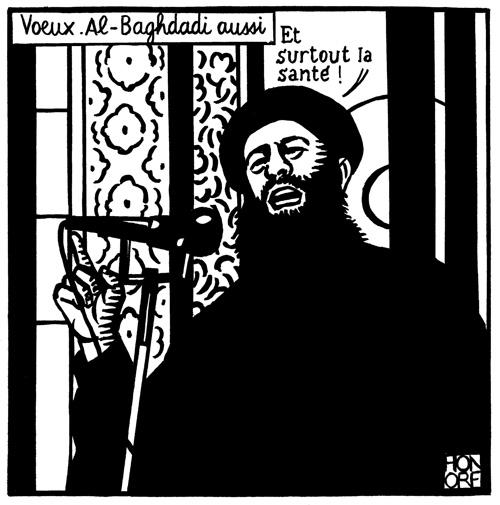
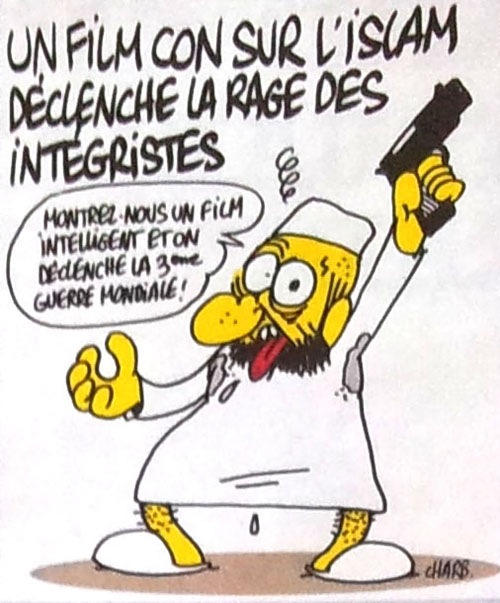
Satirical publication and well known needler of radical Islamists Charlie Hebdo has been attacked in France, with many people murdered. I wonder if there will be a wave of publications in Europe and elsewhere republishing Hebdo’s cartoon of Islamic State militant group leader, Abu Bakr al-Baghdadi, to show solidarity against this civilisation-level attack? That would be nice but I am not going to hold my breath.
“Greece versus Europe: who will blink first?” asks the Telegraph. I care not who blinks, or who wins this contest of braggarts. All that matters is that for Greece to be ejected from the Euro would be good for Greece, good for Germany, and a good example for all the peoples of Europe yoked together in this vainglorious folly. Go on Germany, give that Marxist fool Alexis Tsipras a demonstration that your gullibility is not endless. Go on Greece, plough your own furrow and while you are at it give the Eurocrats a demonstration that their most public and cherished commitments can fail. Remember “Black Wednesday”? Far from being a disaster for Britain, that was the day its fortunes began to recover.
Unfortunately, the Portman Group is a gloomy gaggle of killjoy jobsworths, funded by navel-gazing international drinks giants
– Brewdog
I am only just starting to discover podcasts, and the first libertarian one I found that I liked was The Libertarian Solution. Three guys talk about news stories that interested them over the past week and possible libertarian solutions to whatever the problem is that the news story is about.
This week’s podcast [Pocket Cast] featured:
- An article by a former narcotics police officer on how war on drugs spending is far greater than spending on crimes with actual victims. There was discussion of how this is might be driven by the incentive of police making money from asset forfeiture, and how private police would have a feedback mechanism that public police do not thanks to sovereign immunity: you could sue them for not meeting a service level agreement.
- An advertisment for an animated movie called Silver Circle about the Federal Reserve.
- A news story about how undercover police in one state routinely infiltrate protests, presumably to gather information. There was discussion of whether gathering names of protestors is a valid function of the police, and also why an outed undercover cop was holding his gun like that.
- Discussion about a survey that revealed that two thirds of people would prefer it if the full report into CIA torture was not published, and whether this means people would prefer not to know about it and why.
- The dangers of blindly signing contracts, illustrated with South Park clips, and the benefits to a business of making sure its customers do understand and are happy with a contract.
At least some of the three are members of the Libertarian Party, and while my views were not in lock-step with theirs, I found them reasonable and thoughtful enough to be interesting, with just a little banter and rhetoric to keep it from being too dry. Not a bad listen while doing the ironing.
Those of you not in the United States may be blissfully unaware that Mario Cuomo, a former three term Governor of New York and briefly a feature on the national political scene because of a famous speech he gave at the Democratic National Convention, has died. Mario Cuomo was also the father of the current Governor of New York, Andrew Cuomo.
There have been many hagiographies in the press in recent days, for example: Mario Cuomo, Ex-New York Governor and Liberal Beacon, Dies at 82, but I think that a personal appreciation is in order when so lauded an example of the good politician has passed into the Great Statehouse in the Sky.
He will always be associated in my mind with several great achievements while Governor of New York, the office in which he is most remembered.
First, a couple of decades ago, he drove my health insurance premiums from about $50 a month to a bit short of $300 a month in a single year. This was done by the expedient of declaring it was unfair that people might have to pay a fortune to get insurance when they were already ill and passing a law requiring insurers to offer health insurance at the same price to all comers regardless of age or pre-existing condition. Whether you were 22 and healthy or 59 and suffering from liver cancer, you could walk up and buy a brand new policy at the same price.
This remarkable idealism has kept New York State at the forefront, the very cutting edge, of insurance premiums. The cost of insurance in New York has never gone down since Cuomo’s sagacious reforms, and indeed usually has lead the U.S. in price. To be fair, part of the cost rise for me was because I could no longer get an indemnity plan with a very large deductible because no insurer wanted to offer one ever again given the change in regulations, but that was only part of it. Now, of course, $280 (or whatever the price was, I confess I would have to check) would be a great bargain — the price has gone up greatly since then.
Affordability has of course been a concern for many politicians since those heady days — there are still some of considerable means who can afford health insurance after all. I’m sure President Obama’s Affordable Care Act, with many similarly brilliant ideas, will eventually fix this — premiums rose another 20% in the last year nationwide — and I look forward to its continued implementation.
Mario Cuomo’s second great achievement was the state takeover of the Long Island Lighting Company, aka LILCO. LILCO was in financial straights because Mario Cuomo himself blocked the opening of the Shoreham Nuclear Power Plant after it had been fully constructed to the tune of $6 Billion in 1980s dollars. Because LILCO had spent billions on a generating facility it was not allowed to turn on, it was in bad shape and charging high rates to its customers to remain solvent. Mario Cuomo declared the real issue was LILCO mismanagement and that the state could do a far better job running a power company than the private sector (which is, after all, driven only by mindless greed for profits) and so New York State forcibly took over LILCO and turned it into the Long Island Power Authority, AKA LIPA.
LIPA proceeded to spend very little money on maintenance over the next decades, until Hurricane Sandy hit and took out a large fraction of their lines because not even basic tree branch trimming over residential power cabling had been done in decades. Andrew Cuomo, Mario’s son and by now the Governor himself, got on TV after Sandy to angrily and vociferously condemn the horrible mismanagement by LIPA, an agency he personally controlled, but which he somehow failed to mention that he was in fact in complete control of as he told the viewers that he would absolutely hold the parties responsible to account. His father’s role was never mentioned by anyone in the news media, and his own was barely recalled either — somehow they, too, conveniently forgot that he was condemning mismanagement by himself. (I am unfair in saying this — a story buried far into the front section of the New York Times did mention it in connection with a corruption investigation. It seems that a report was prepared by a state commission condemning Andrew Cuomo’s administration for its role in screwing up LIPA, but Andrew Cuomo used his power as Governor to make sure it was never released.)
Mario Cuomo’s third great achievement was to raise taxes repeatedly, making New York State the most heavily taxed in the U.S., and New York City by far the most heavily taxed jurisdiction in the U.S. by virtue of having high city income taxes on top of the state ones. New York State has mysteriously been falling behind other states in population rank — it fell from #2 to #3 and now recently was passed by Florida and is #4 — and industry has been leaving the state for some decades now. (A succeeding Governor, George Pataki, lowered rates a bit, and California raised them further, so New York is no longer #1 in taxation, but Mario Cuomo’s son still has time to uphold family tradition and restore the state to its previous glory.)
Oh, and one minor achievement comes to mind. (Sadly this last point is purely from my memory, and I can’t find easy documentation of it on line, assistance would be welcomed.) During a major newspaper delivery strike (the delivery truck operators were being paid over $100k a year — this is $100k+ decades ago in non-inflation adjusted dollars you understand — with overtime and the papers didn’t think they could afford that any more for unskilled work), Mario Cuomo more or less blocked all investigation of acts of brutal violence by the union’s thugs. It seemed people were going around beating the operators of newspaper kiosks that none the less carried the newspapers in spite of the strike, and similarly beating people who delivered the papers anyway. At the time, Cuomo seemed to feel, much in the manner that President Obama does now about the malfeasance of the Bush administration, that it was best to look forward and not backwards. This was even the case in spite of the fact that the strike was still underway and “forward” hadn’t happened yet.
I can think of little else notable that Mario Cuomo got done while Governor. In spite of lots of lobbying by reform groups he did not push to fix the vicious sentences the state meted out for minor drug crimes. He did not fix the state’s horrible divorce laws, notably at the time some of the worst in the nation. He did not reform the police, or improve educational outcomes, or even deal with the enormous deferred maintenance problems on state highways and bridges. (He did veto the death penalty a few times, which seems to me to have actually been a good thing, though others may argue otherwise.)
However, Mario Cuomo will always be remembered as the man who once gave a very well written speech at a Democratic National Convention, and who really cares if a politician is a corrupt, economically ignorant mismanager if he can deliver words written by other people with a really solid and practiced public speaking style.
No wonder, then, that he is now described in obituaries as a lion, nay, a giant of politics, in story after story after story.
I encourage all to mourn his loss in whatever manner they feel appropriate.
Big Bang transformed the City for the better, as I hoped at the time. It broke up the cosy cartel of the old stockbrokers and jobbers, introduced competition into commissions which made share buying and selling so much cheaper, allowed in many foreign banks and brokers with extra capital, new business and job opportunities, and allowed UK institutions to raise serious amounts of new money to operate on a world scale.
It built one of the dominant financial service and banking sectors of the world. The City expanded from the narrow Square Mile around the Bank of England, to encompass Aldgate, Liverpool Street, the Finsbury area , parts of Mayfair, St Paul’s and parts of docklands. Today we earn £60 billion from our financial and business service exports, and have a group of companies and service industries that the world envies. Without Big Bang none of that would have happened, and the UK would be a lot poorer. Instead of blaming Big Bang for financial scandals, people should remember there were scandals before Big Bang, and remember above all that it was Mr Brown’s regulators who helped bring on the crash they were meant to prevent.
– John Redwood
I think Big Bang did bad things (speeding up the mess of fiat money) as well as good (doing lots of business in London). The more Austrianist you are, the earlier you will think the rot set in. Nixon takes Dollar off Gold Standard in 1971? Founding of the Fed? Founding of the Bank of England? But Redwood is right that Gordon Brown certainly didn’t help avert the crisis we are now stuck in, even if him keeping Britain out of the Euro may prove to be his most significant decision in the long run.
Remember, just because one of us here selects something as an SQotD doesn’t mean we necessarily agree. We are merely noticing that something significant, and usually true-ish, has been forcefully put.
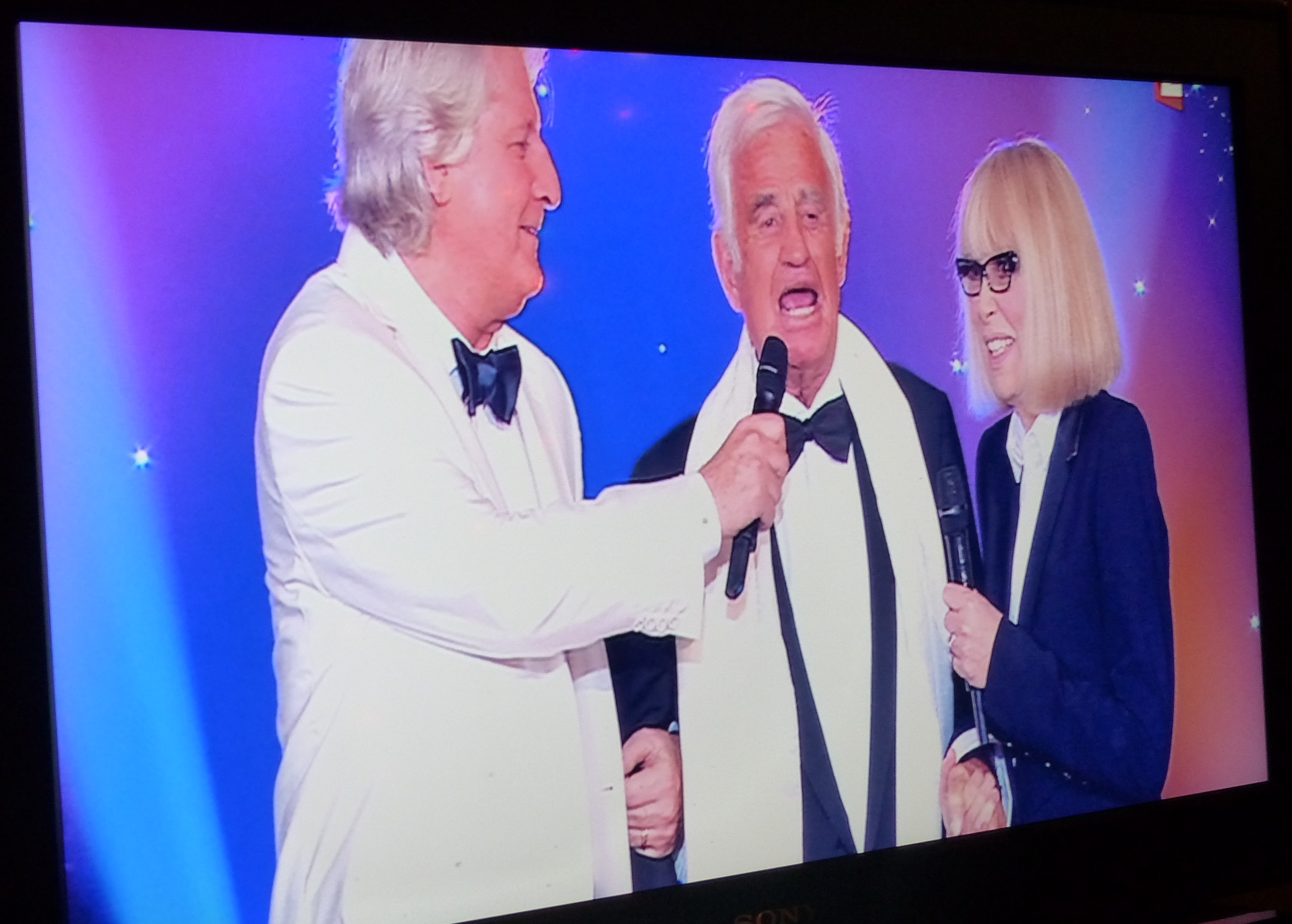
Yes, here’s another Happy New Year to everyone, this time from French National Treasure Jean-Paul Belmondo, snapped by me (in amazement at how he looked – I think I last saw him in Borsalino) straight off of French TV (no idea which channel), at or around midnight on Dec 31/Jan 1:
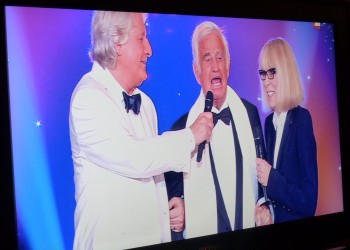
I thought Belmondo had died several years ago. After seeing him on TV, I still suspect that maybe he did die, and that the museum where they keep all the dead (human) French National Treasures has a highly sophisticated animatronics department.
So my New Year message is this. Be less political. Stop caring.
– From NickM’s message for 2015.
If the world that NickM and I, and probably you, want is to happen, some of us probably do have to be very political. But I, and probably you, will know just what he means, particularly if we read the whole thing.
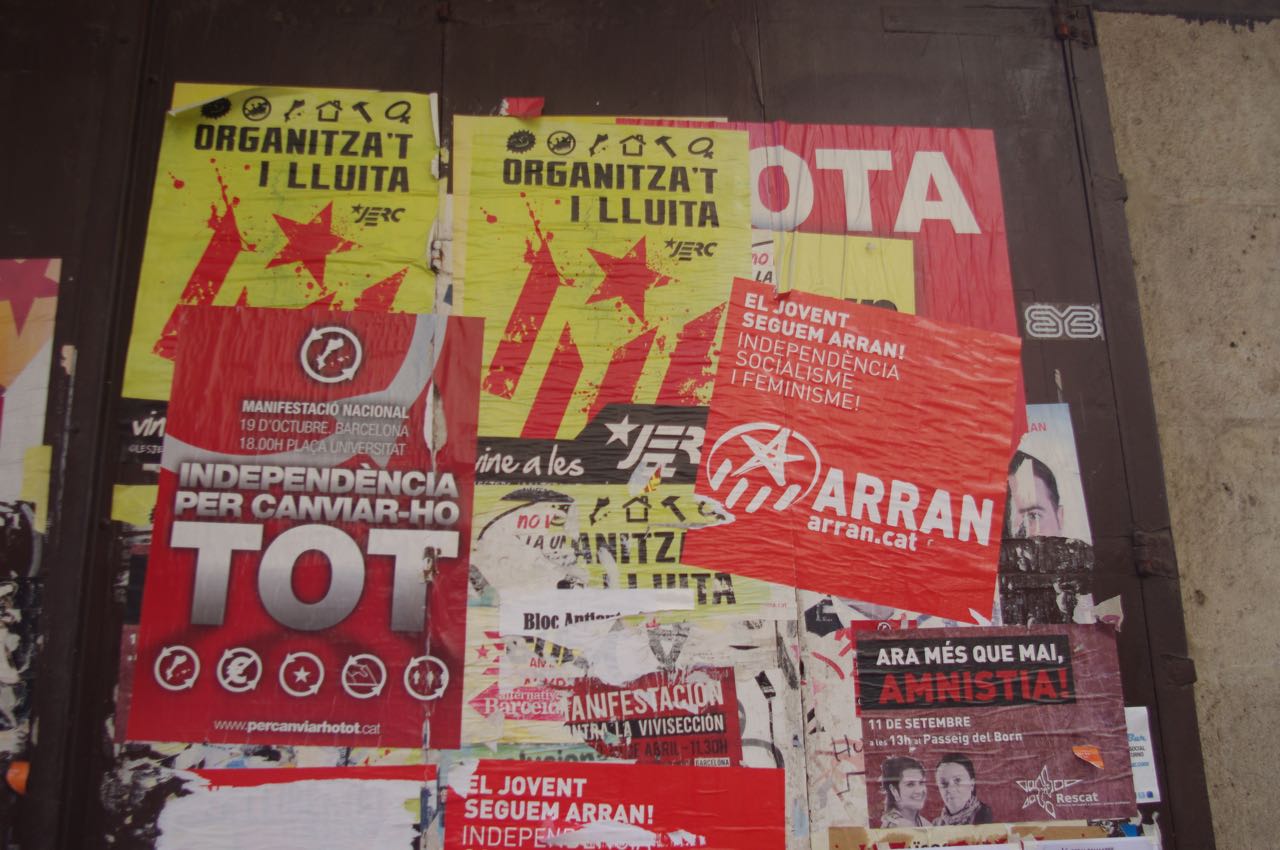
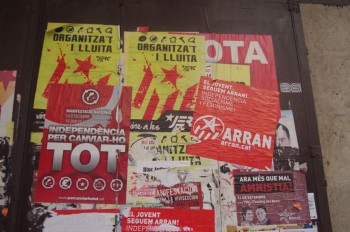 Barcelona, Catalonia. January 2014 Barcelona, Catalonia. January 2014
 Warsaw, Poland. January 2014 Warsaw, Poland. January 2014
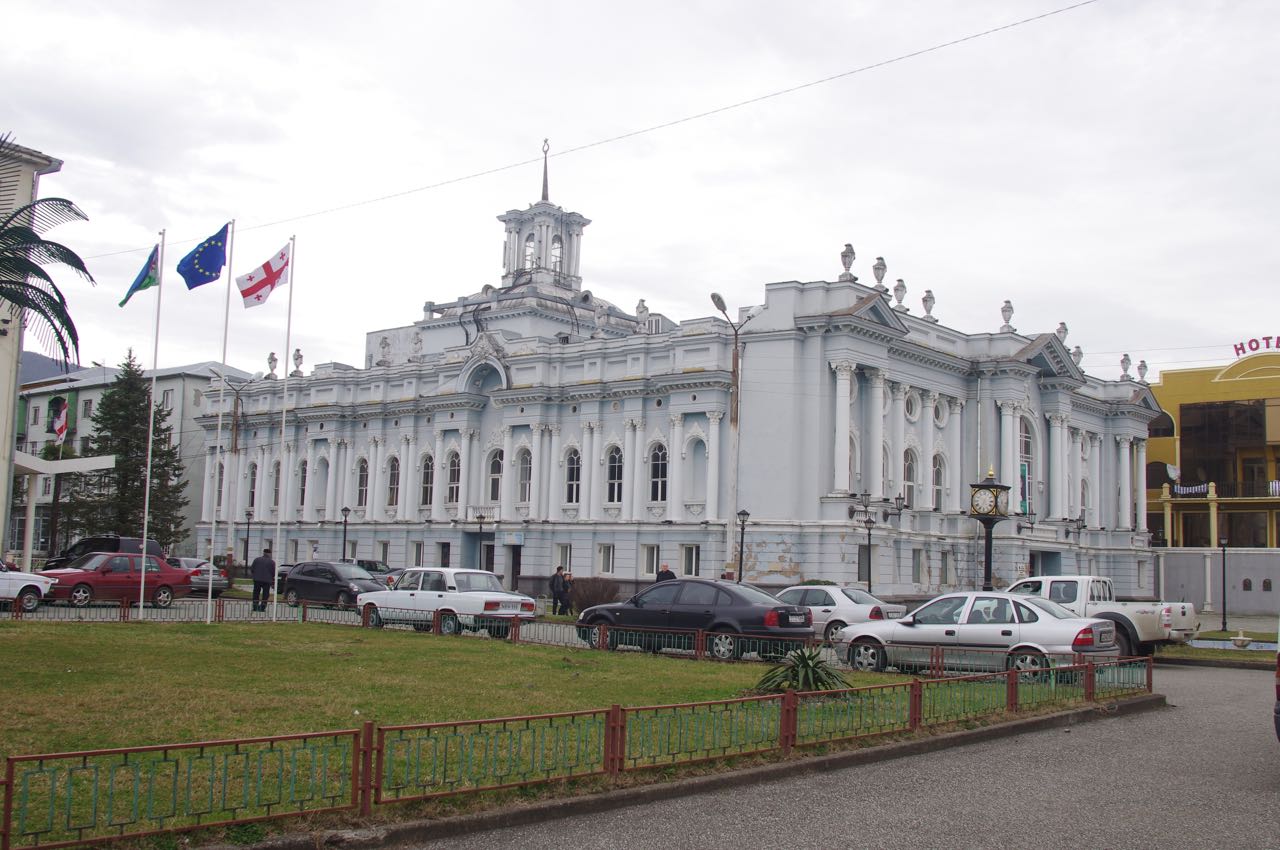
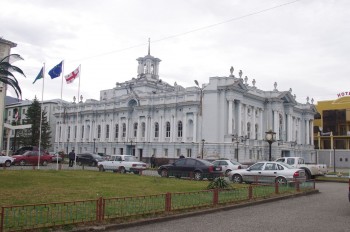 Senaki, Georgia. January 2014 Senaki, Georgia. January 2014
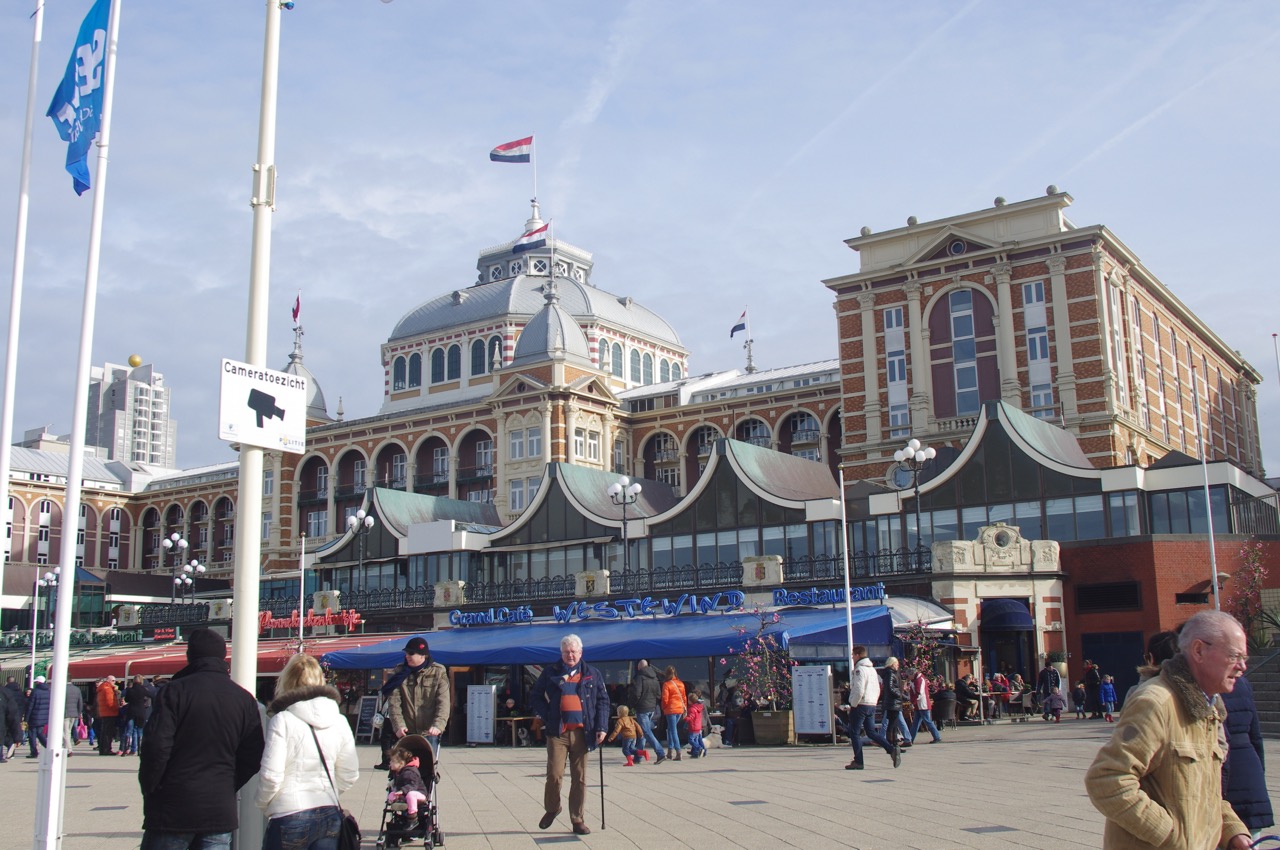
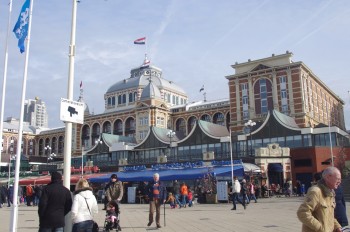 Den Haag, Netherlands. February 2014 Den Haag, Netherlands. February 2014
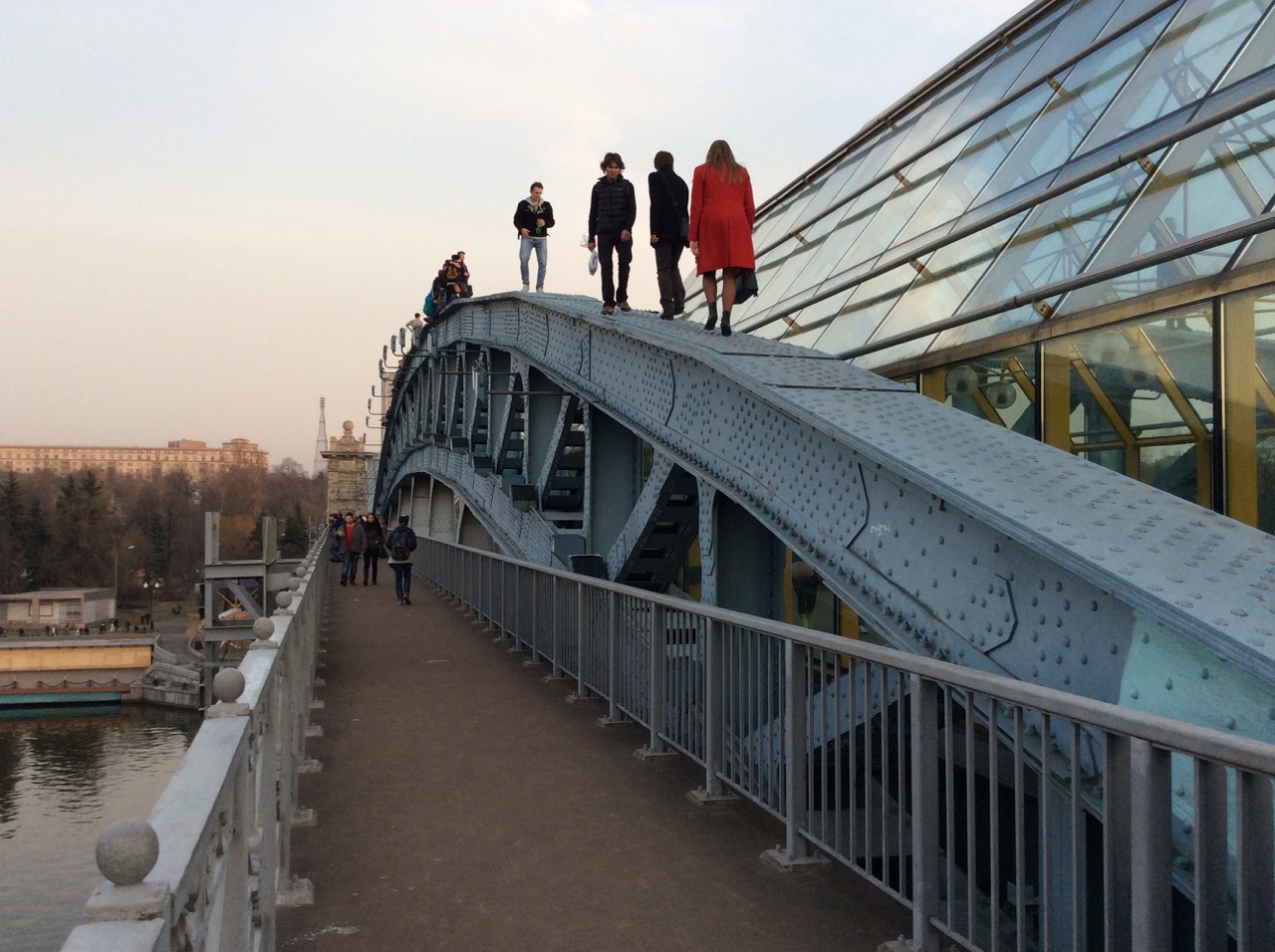
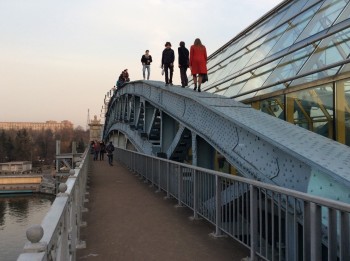 Moscow, Russia. March 2014 Moscow, Russia. March 2014
 London, England. April 2014 London, England. April 2014
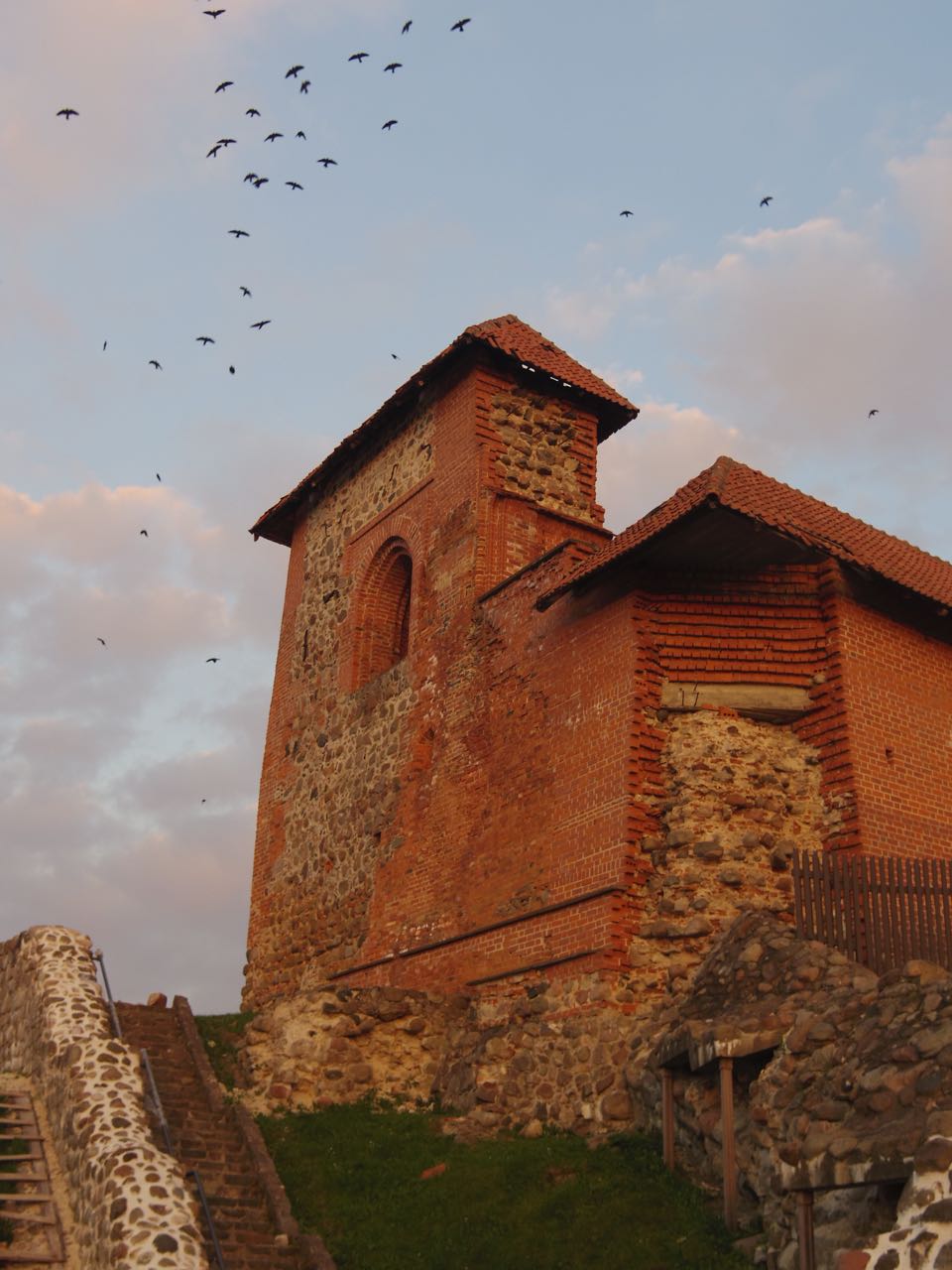
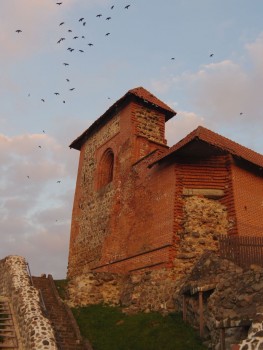 Vilnius, Lithuania. May 2014 Vilnius, Lithuania. May 2014
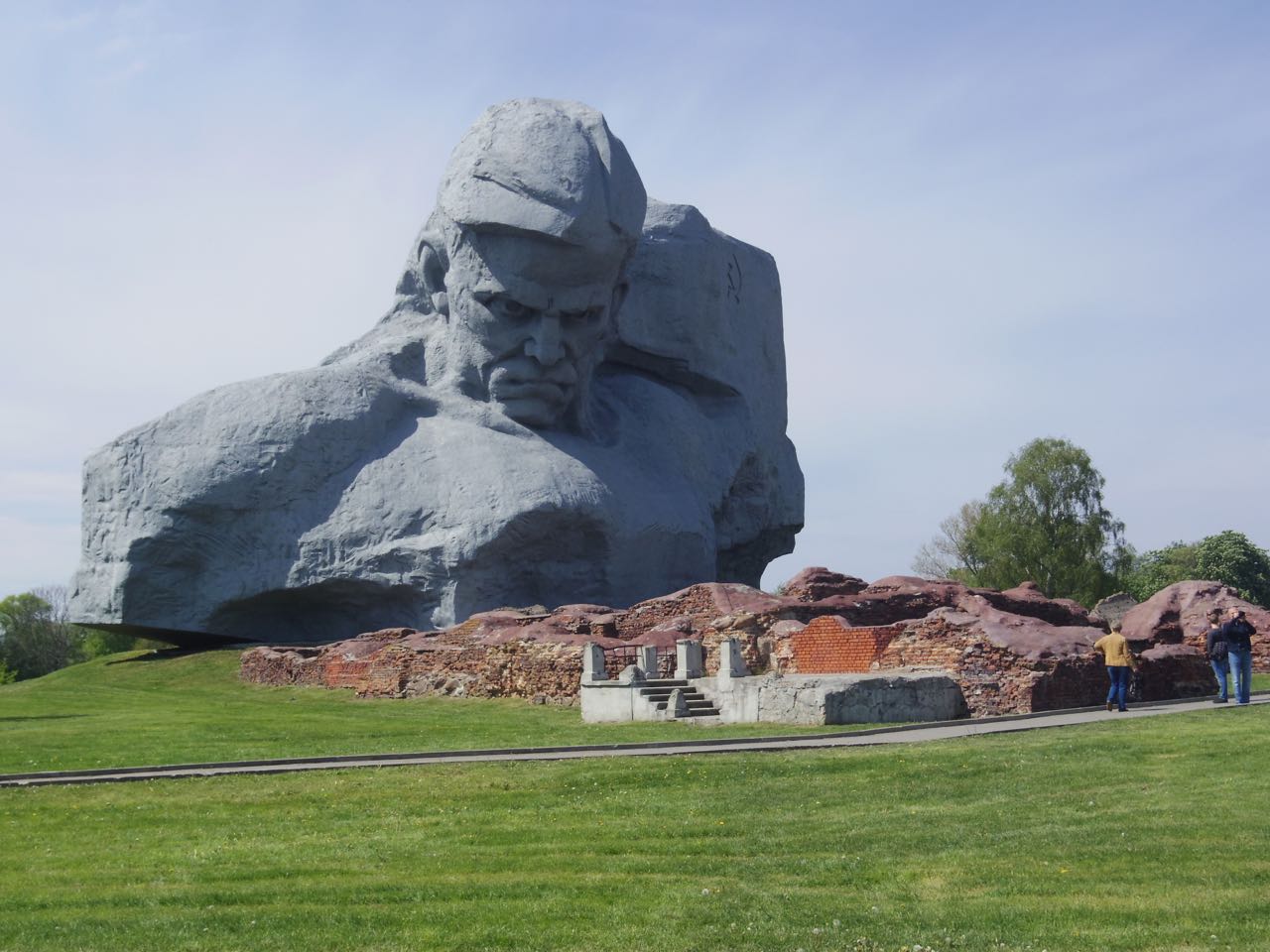
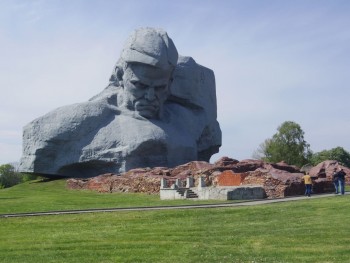 Brest, Belarus. May 2014 Brest, Belarus. May 2014
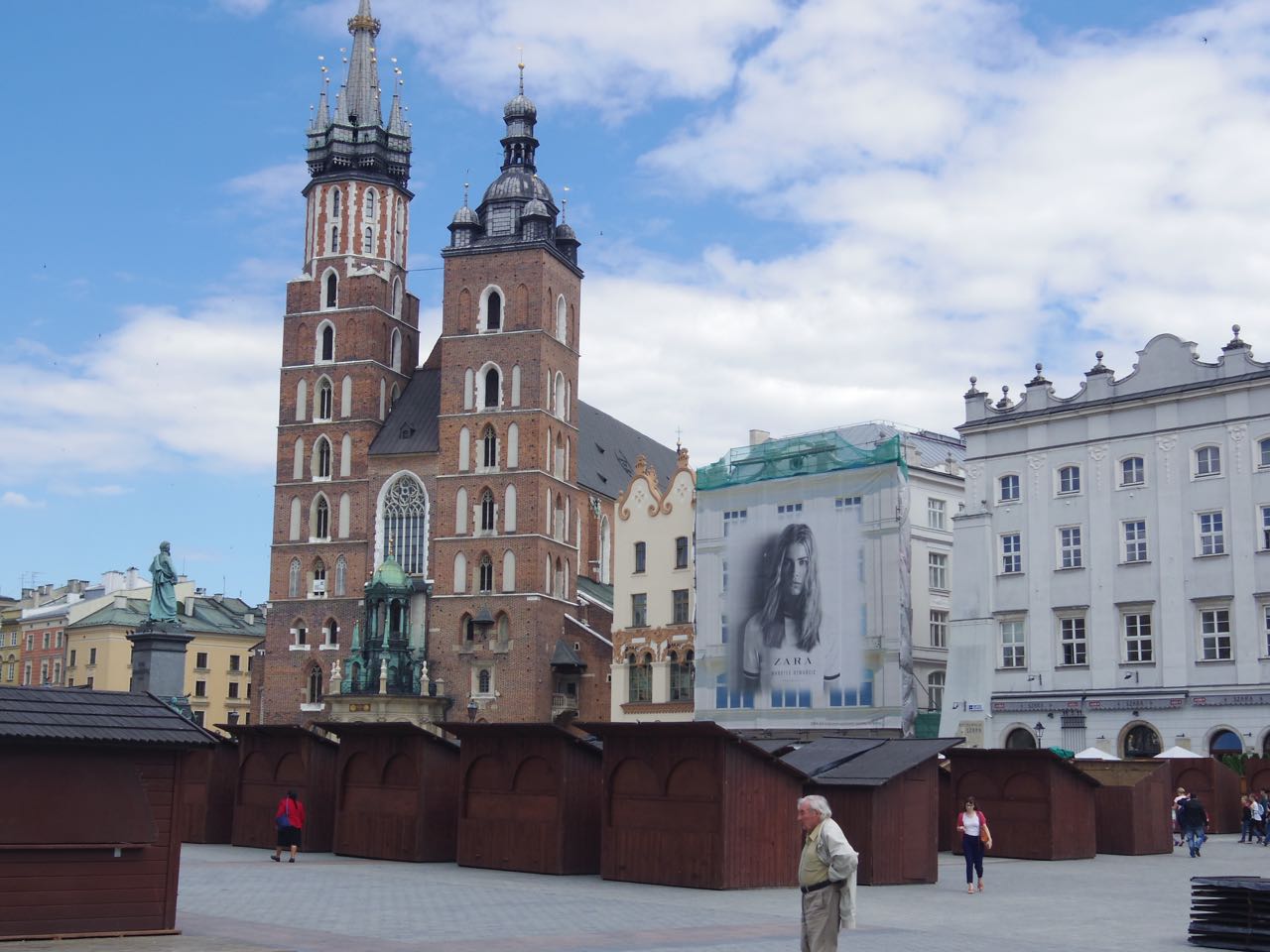
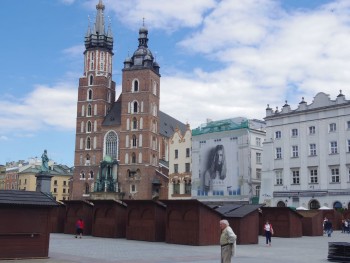 Kraków, Poland. May 2014 Kraków, Poland. May 2014
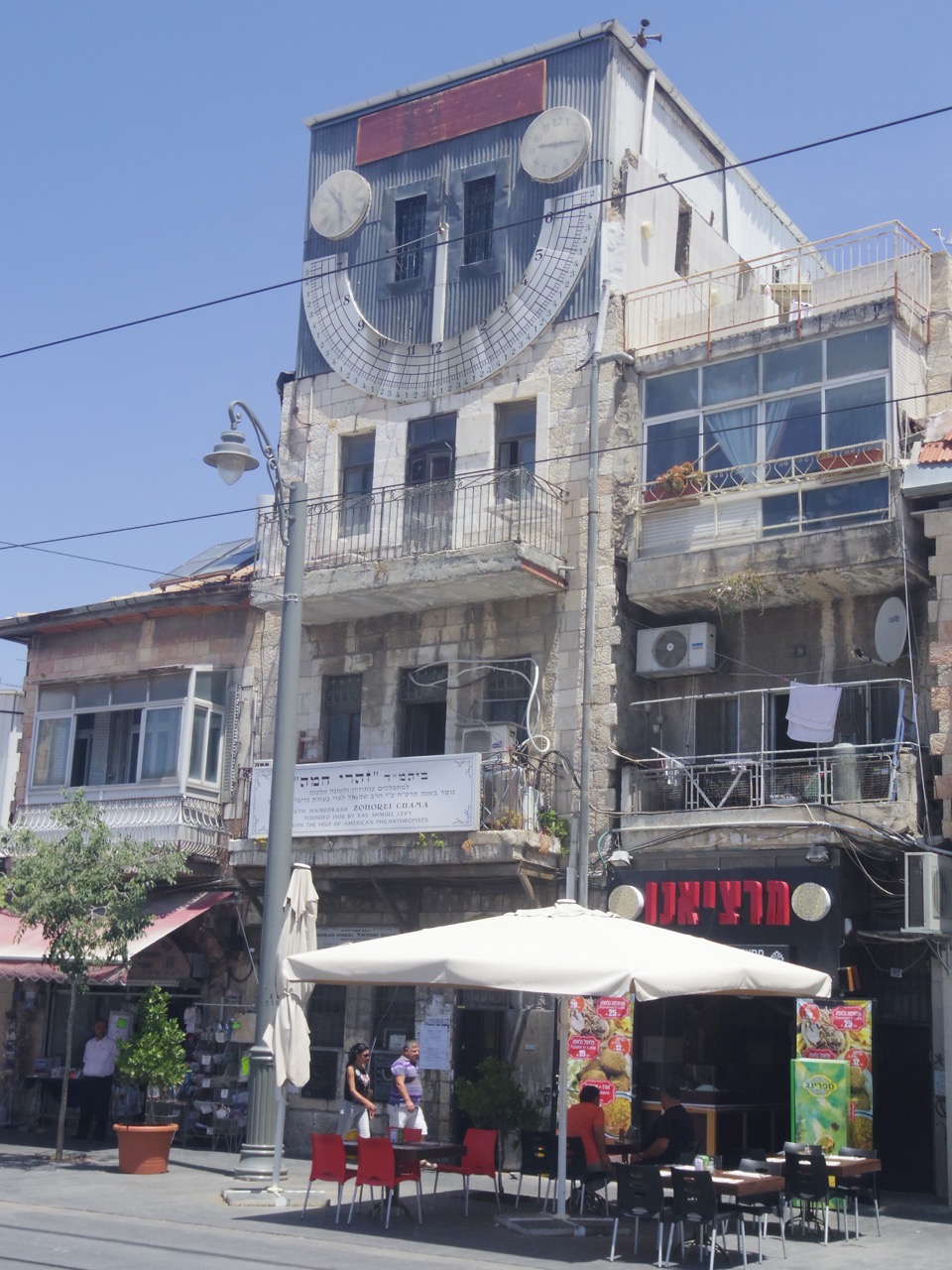
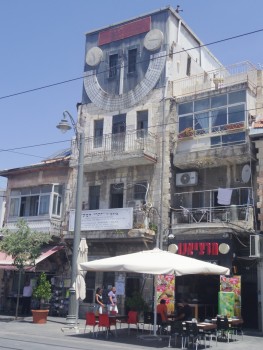 Jerusalem. May 2014 Jerusalem. May 2014
 Kirzat Luza, Samaria. May 2014 Kirzat Luza, Samaria. May 2014
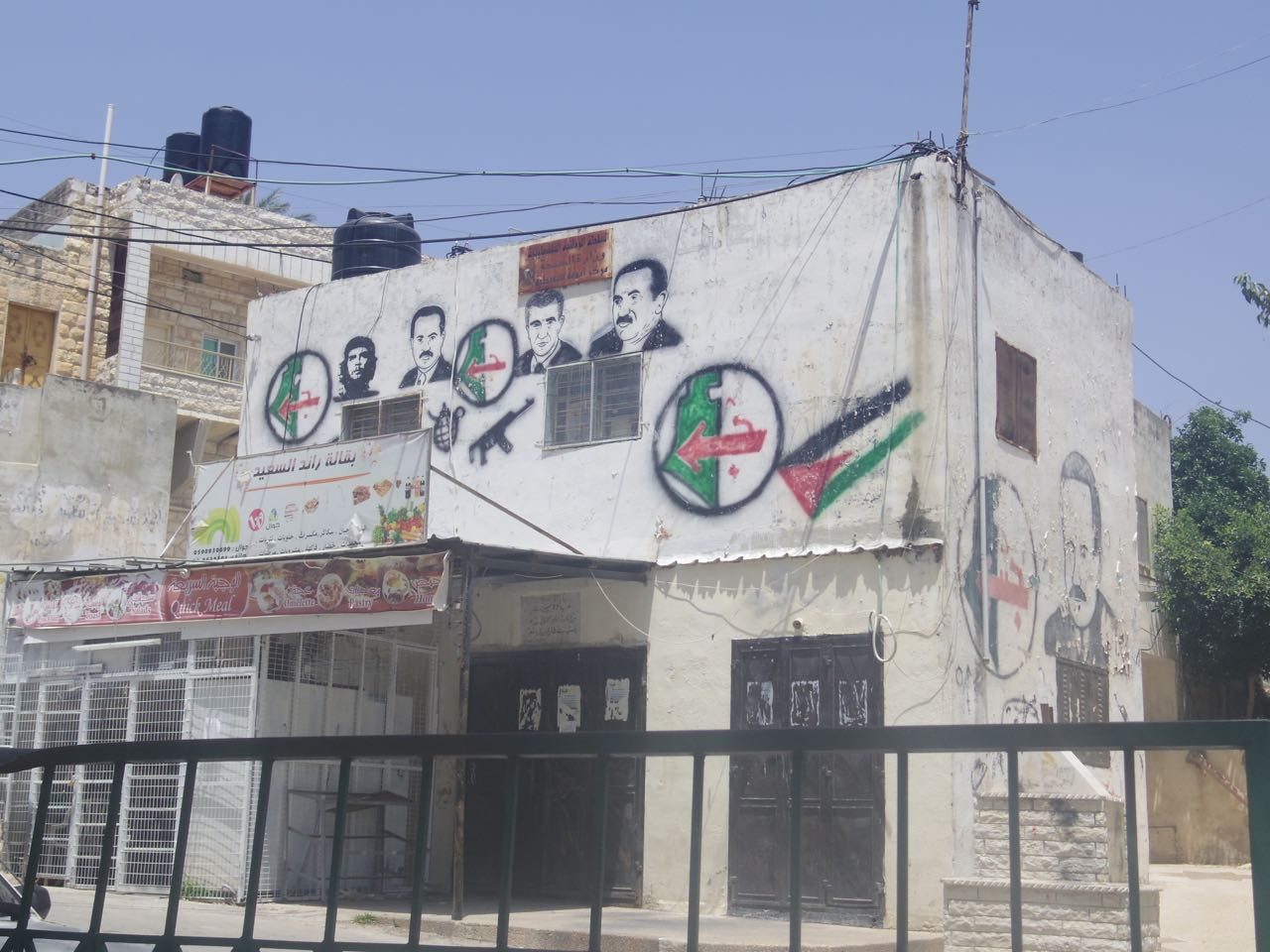
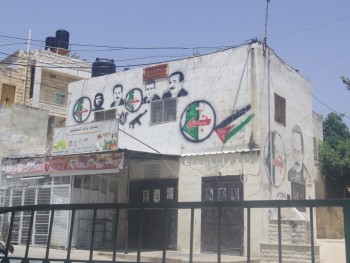 Sebastia, Palestine. May 2014 Sebastia, Palestine. May 2014
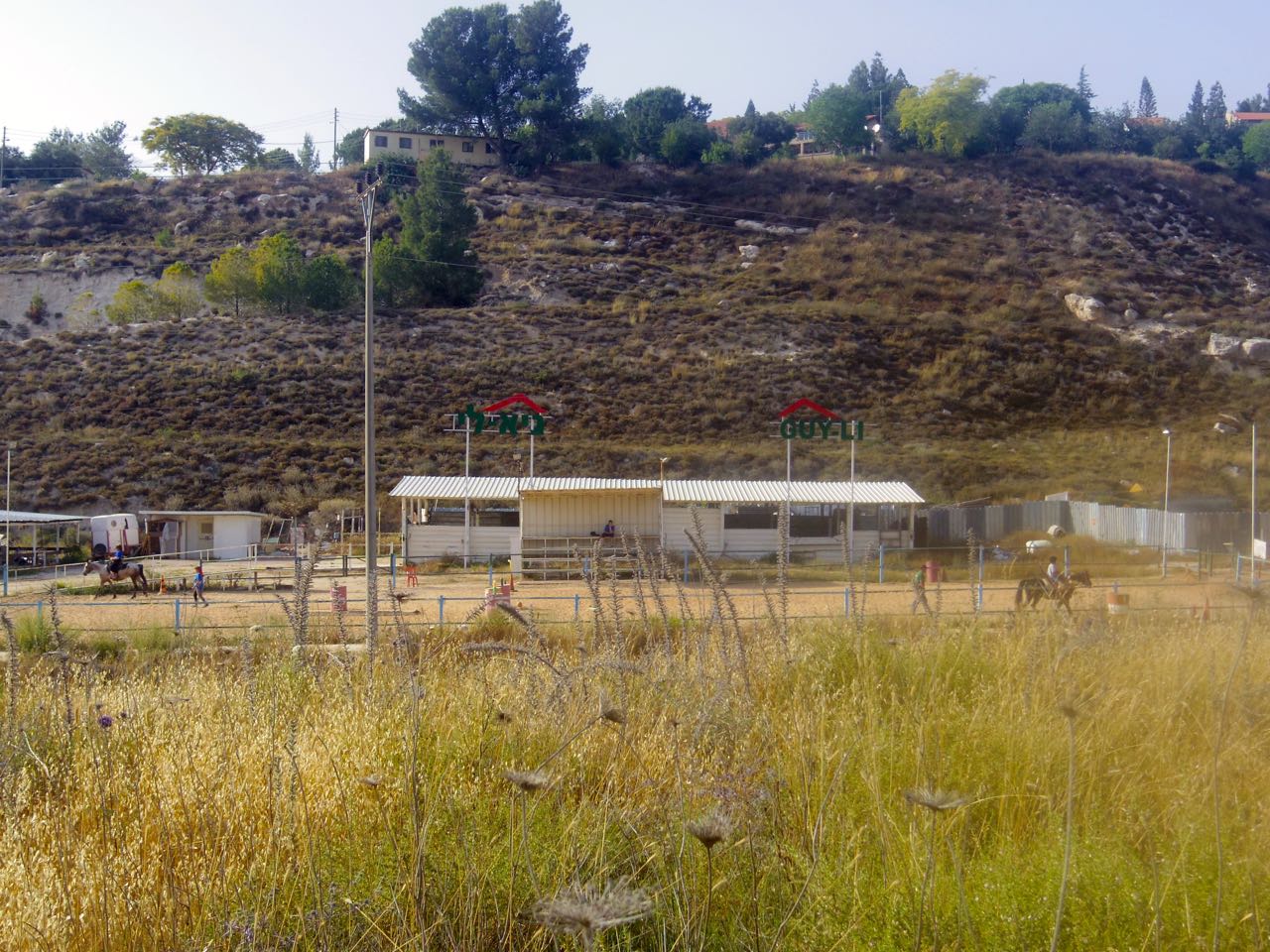
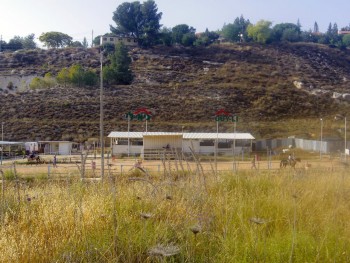 Kdumin, Judea and Samaria. May 2013 Kdumin, Judea and Samaria. May 2013
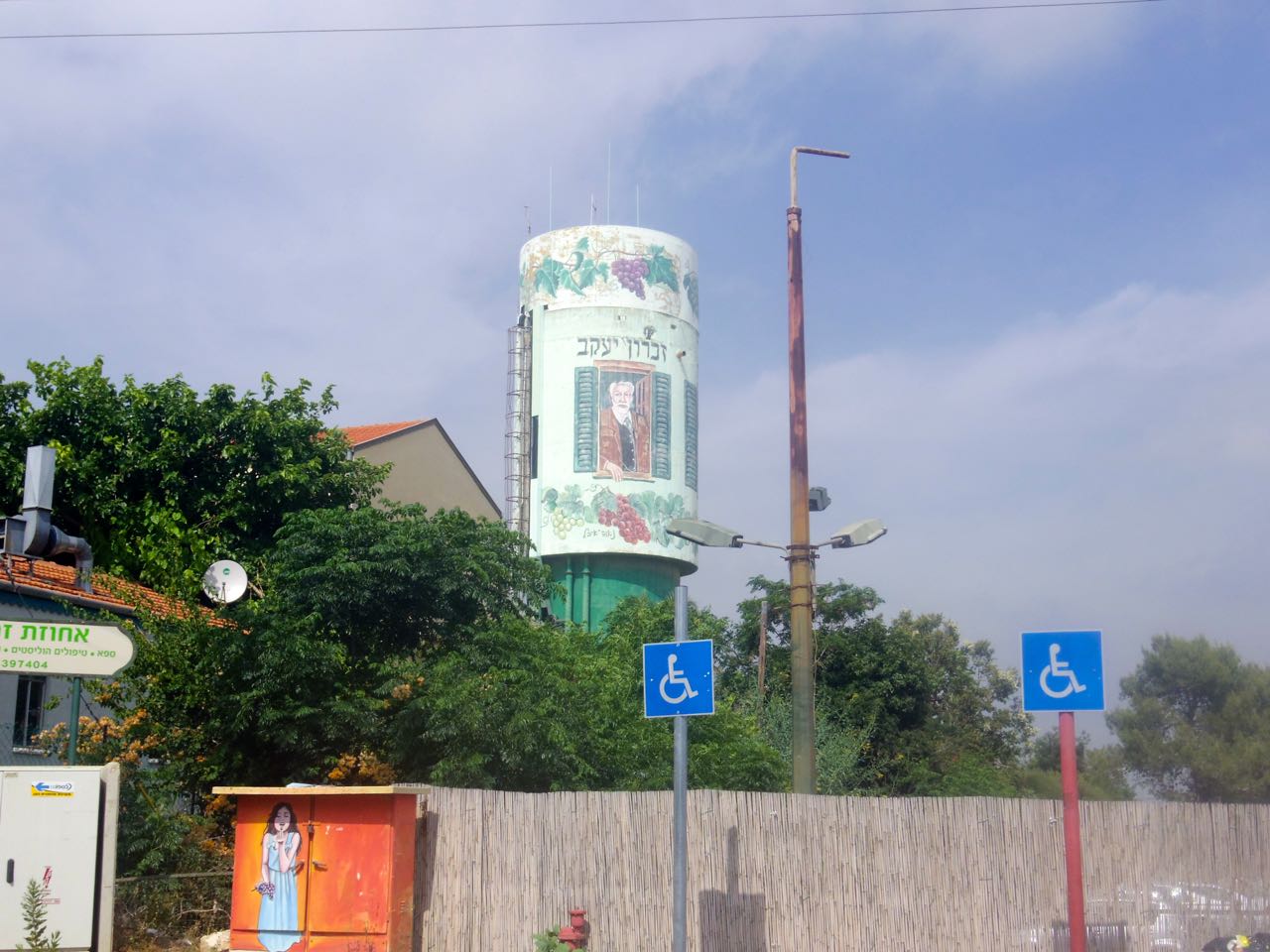
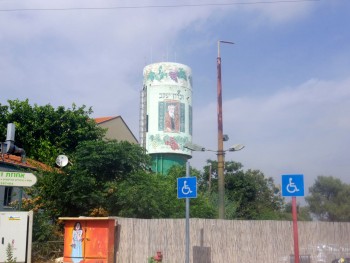 Zihron Ya’akov, Israel. May 2013 Zihron Ya’akov, Israel. May 2013
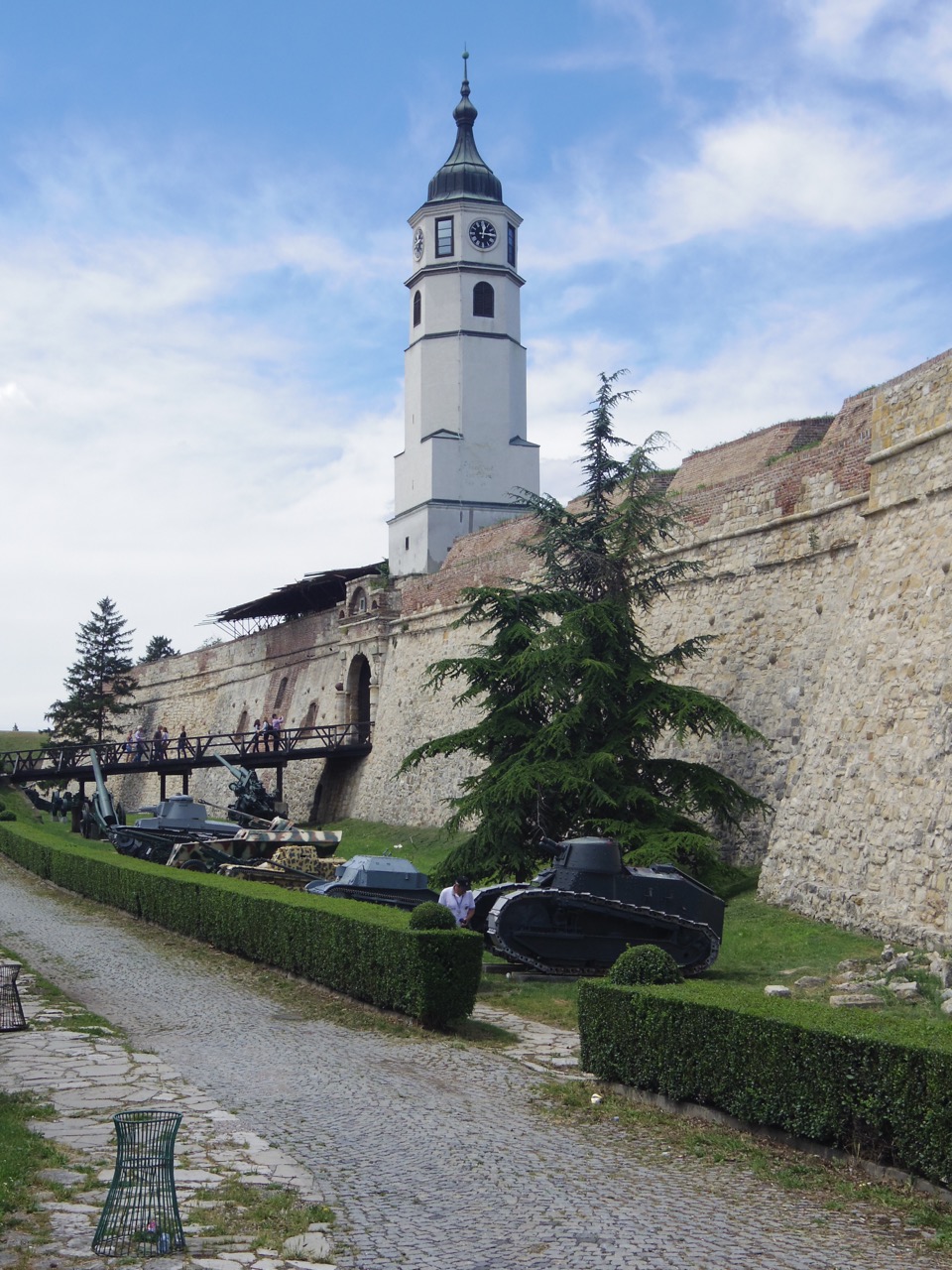
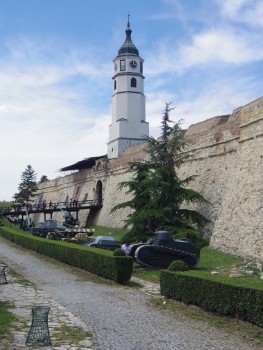 Belgrade, Serbia. June 2013 Belgrade, Serbia. June 2013
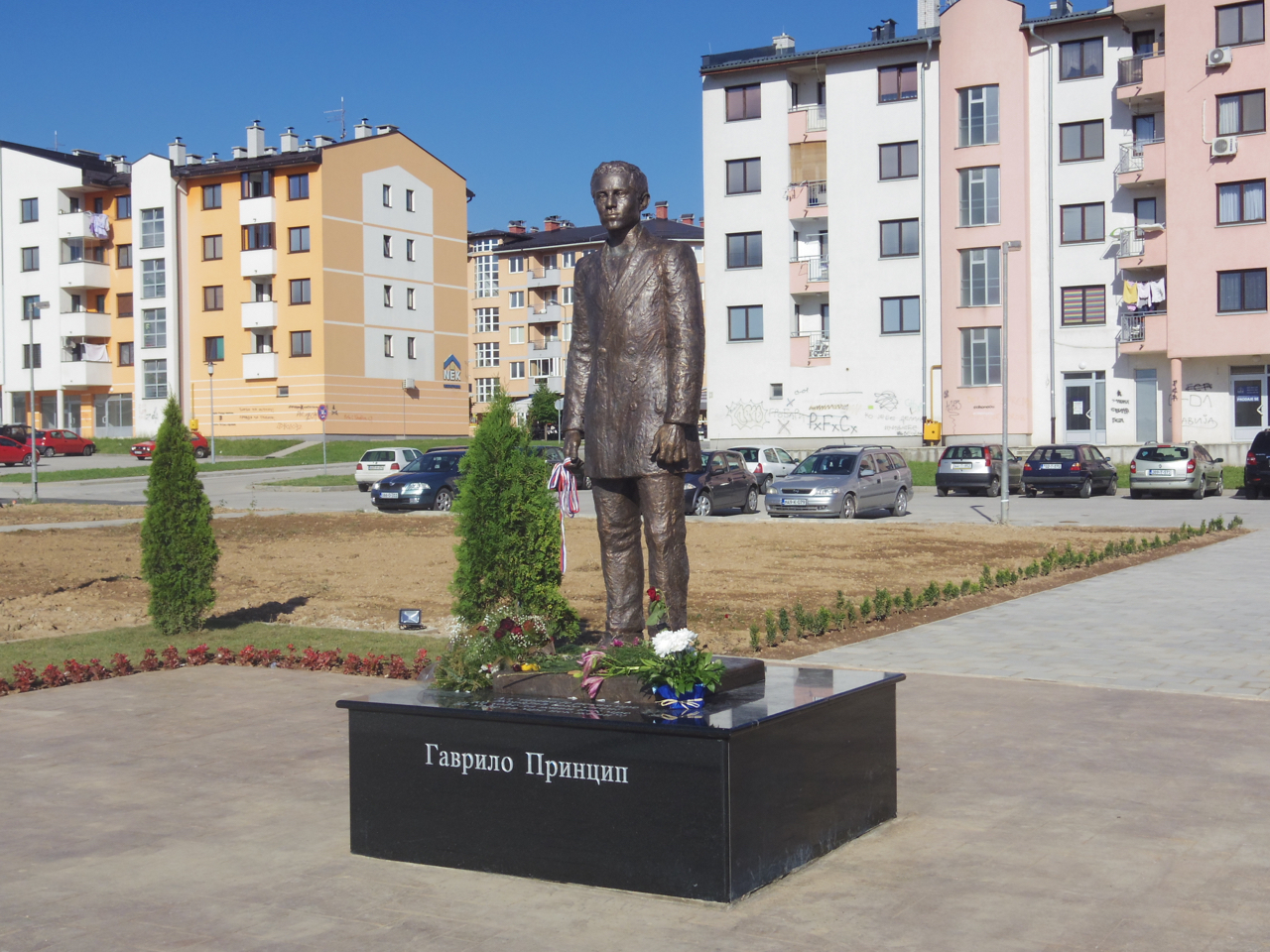
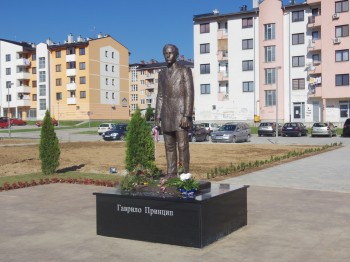 Istočno Sarajevo, Republika Srpska. June 2014 Istočno Sarajevo, Republika Srpska. June 2014
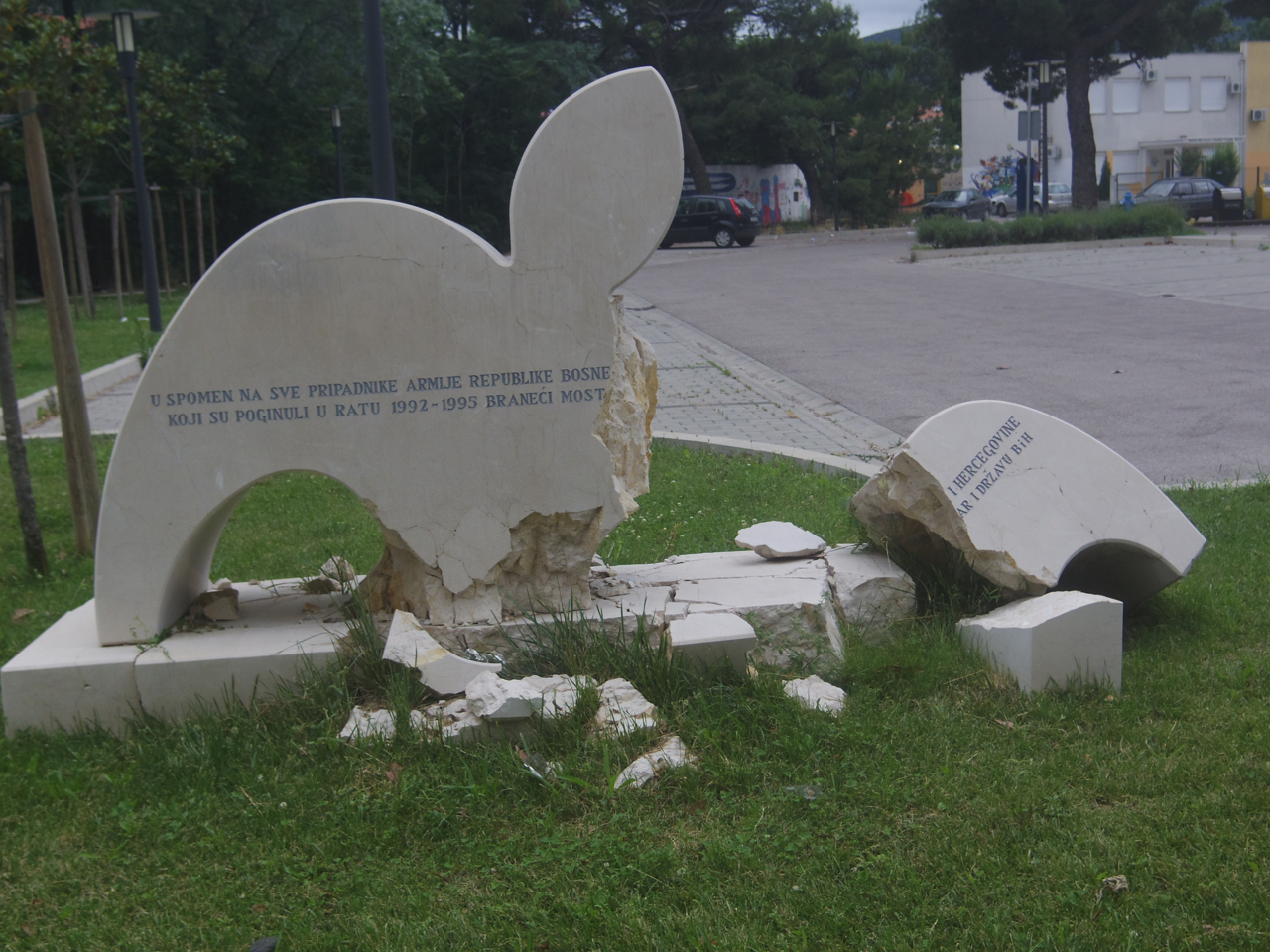
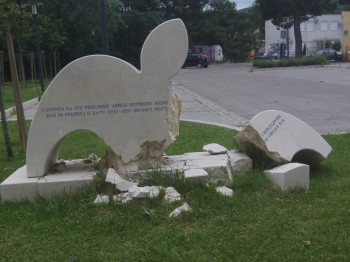 Mostar, Federation of Bosnia and Herzegovina. June 2014 Mostar, Federation of Bosnia and Herzegovina. June 2014
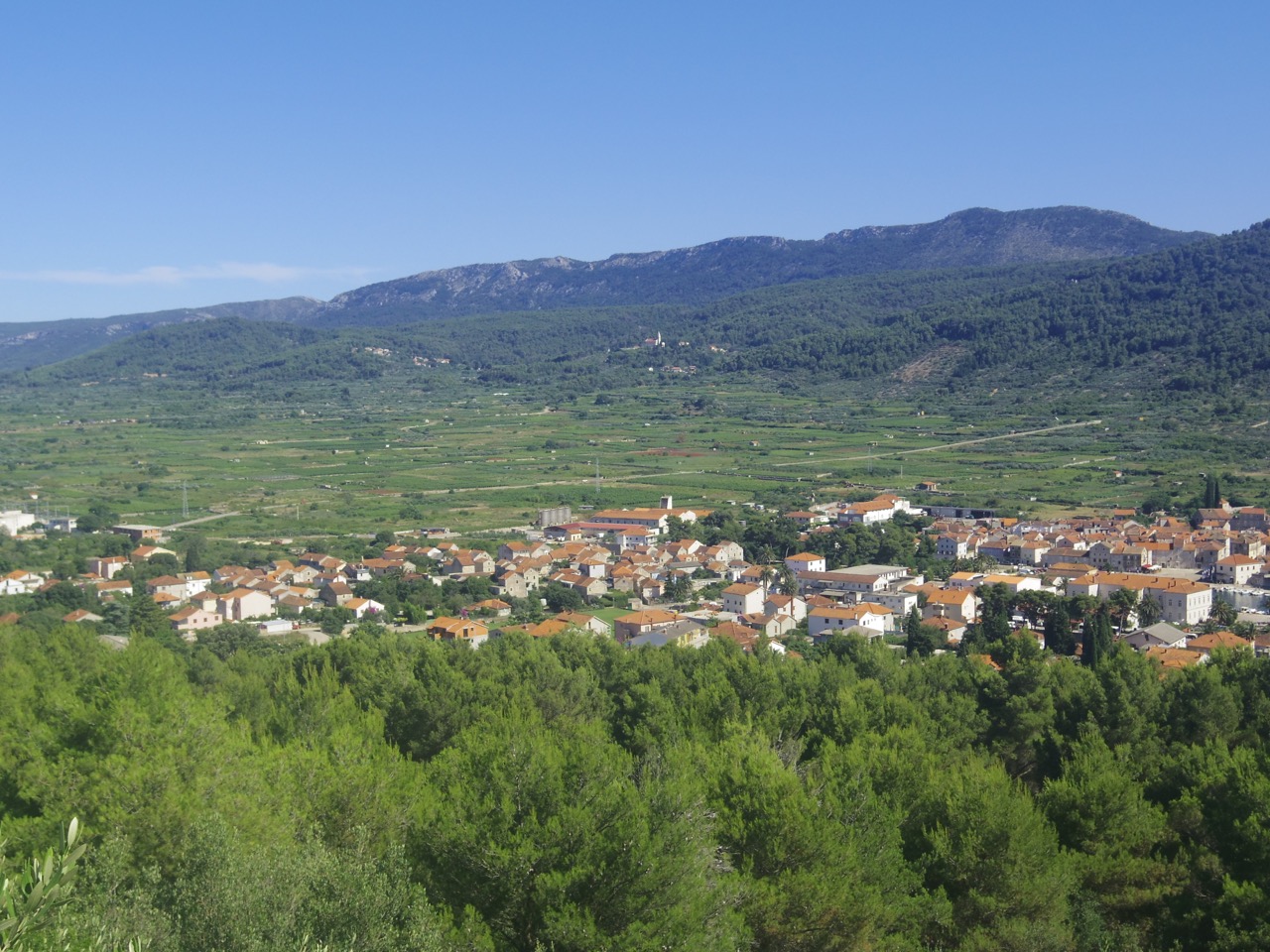
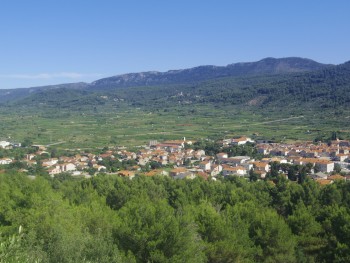 Stari Grad, Hvar Island, Croatia. July 2014 Stari Grad, Hvar Island, Croatia. July 2014
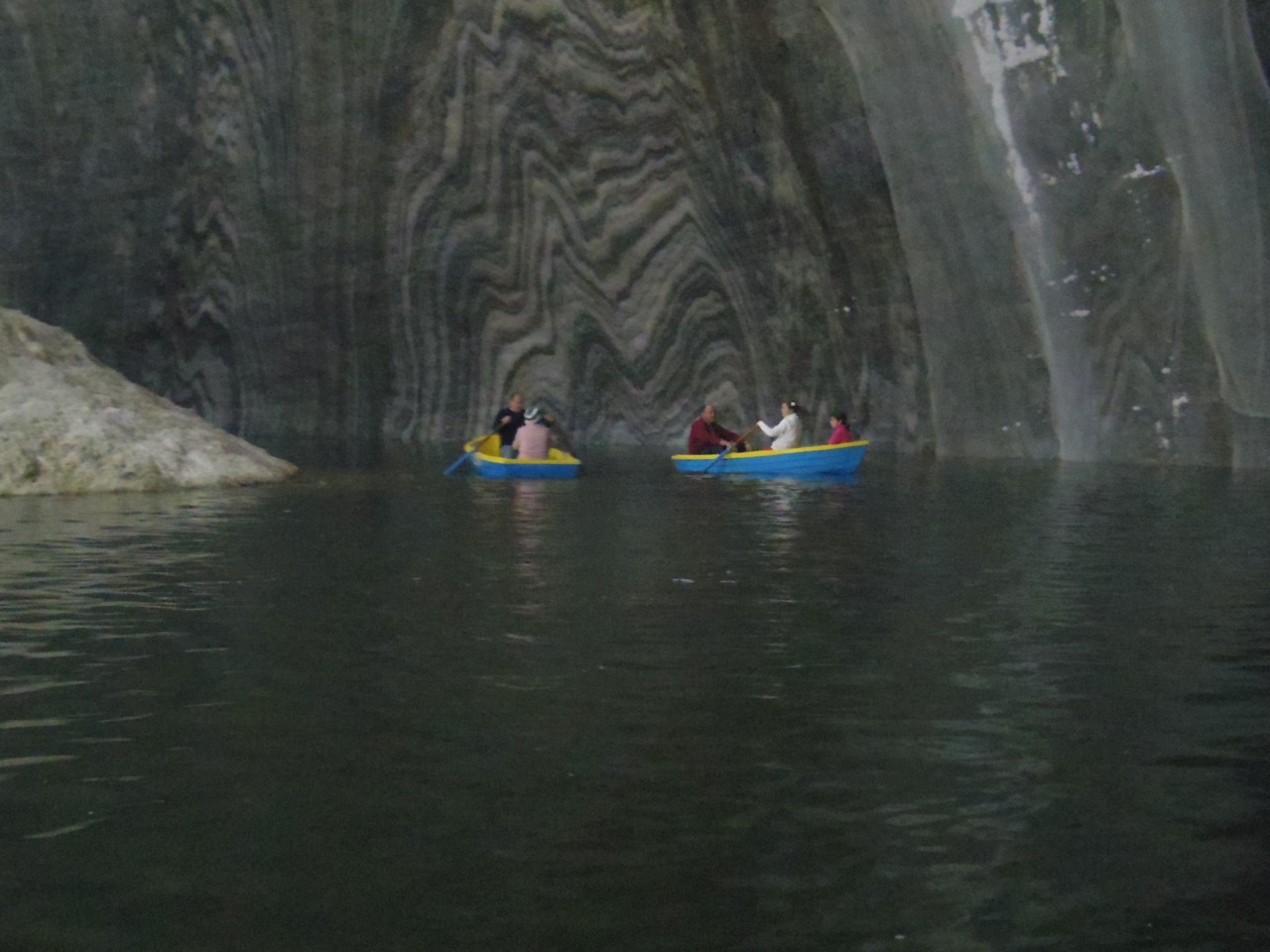
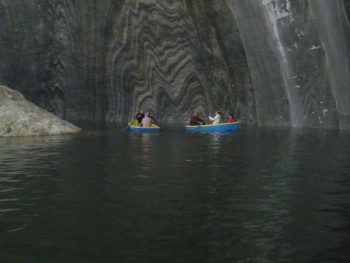 Turda, Romania. July 2014 Turda, Romania. July 2014
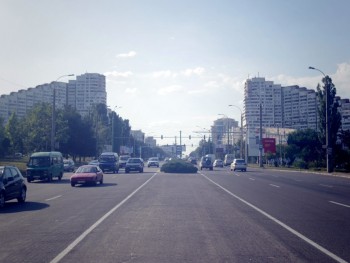 Chisinau, Moldova. July 2014 Chisinau, Moldova. July 2014
 Odessa, Ukraine. August 2014 Odessa, Ukraine. August 2014
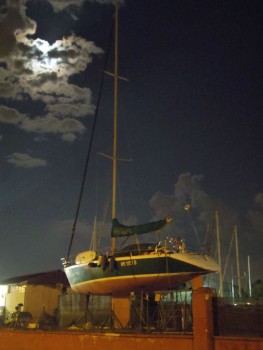 Fiumicino, Italy. September 2014 Fiumicino, Italy. September 2014
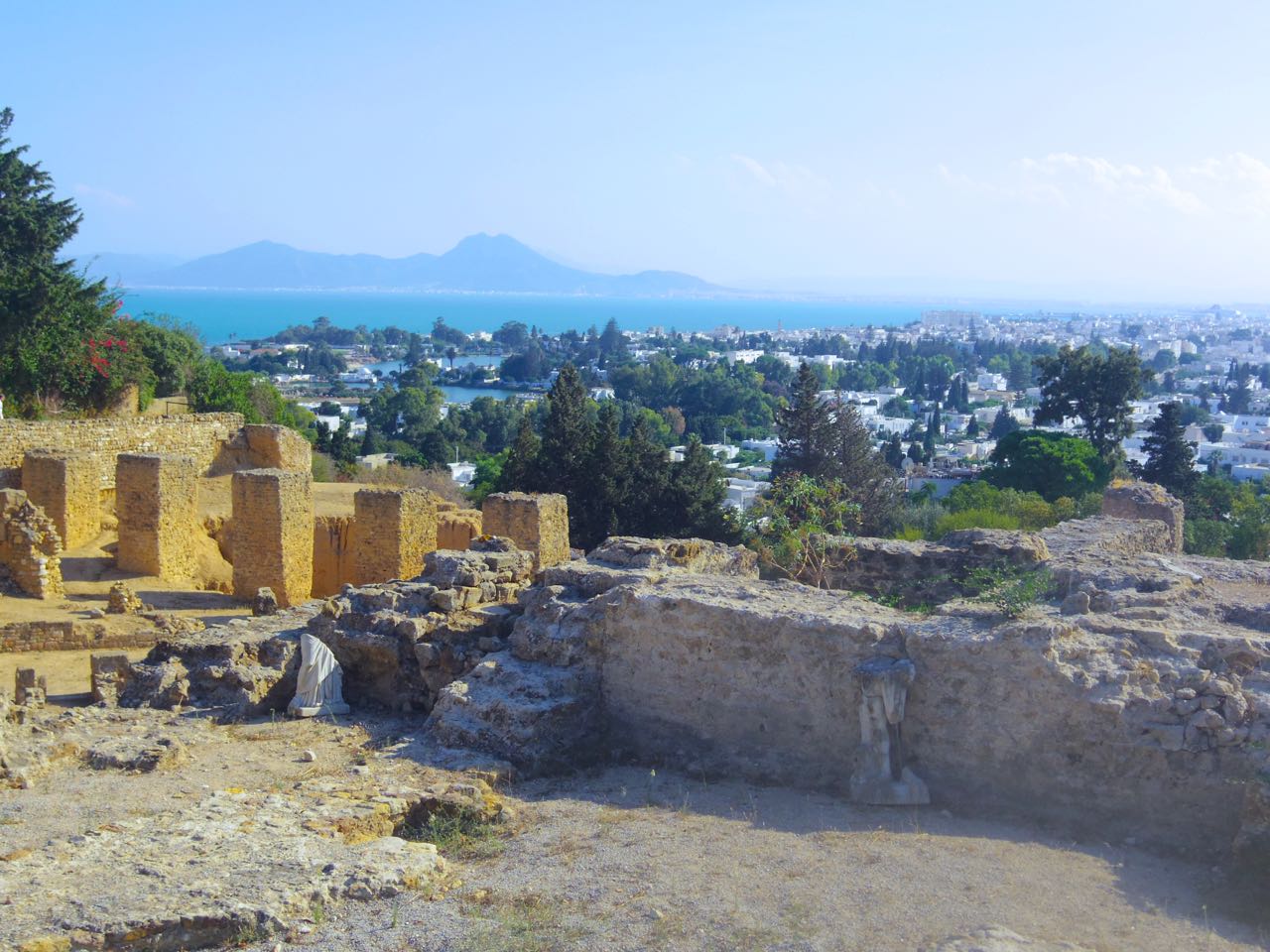
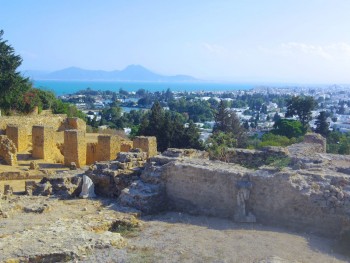 Carthage, Tunisia. September 2014 Carthage, Tunisia. September 2014
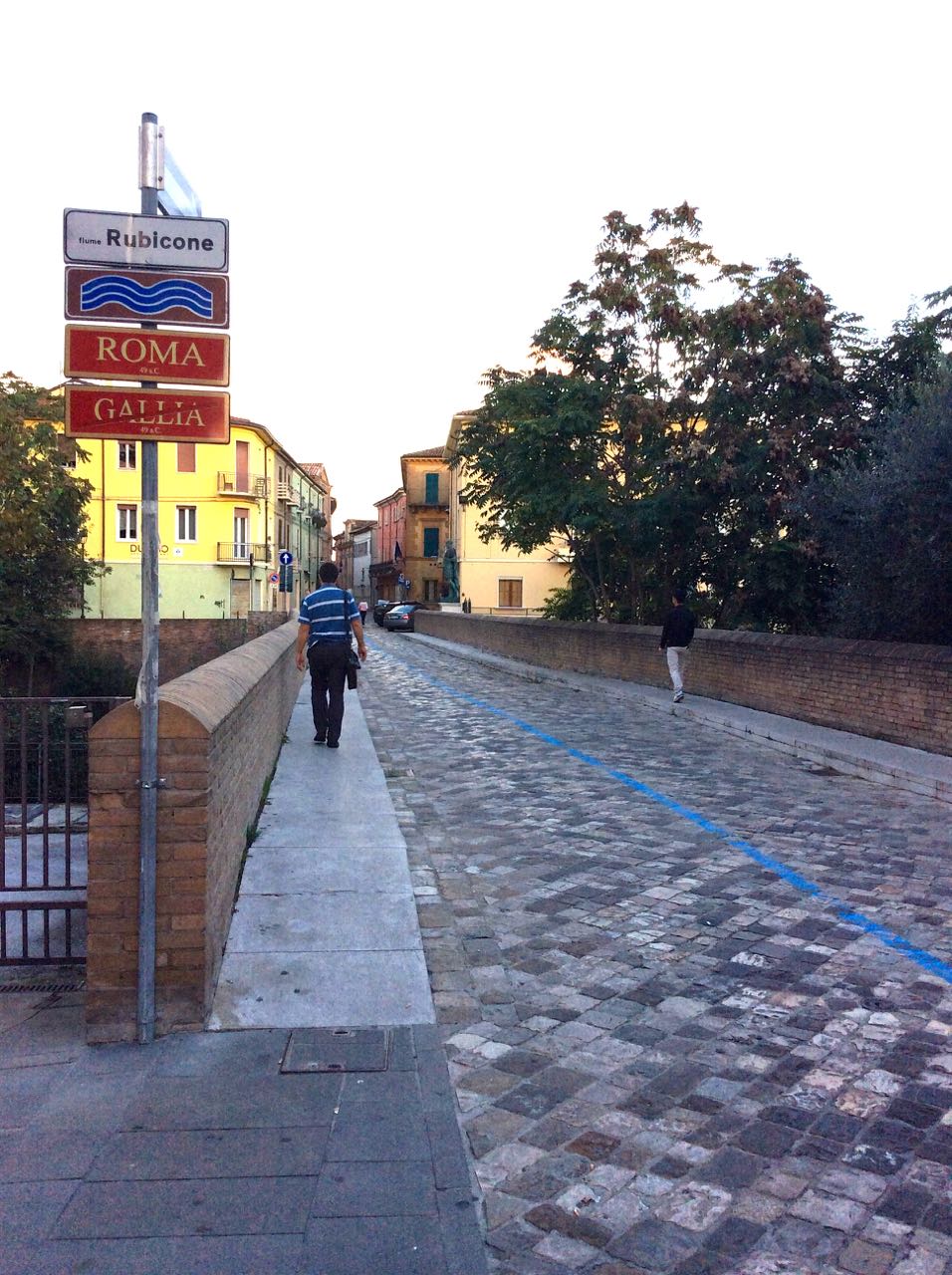
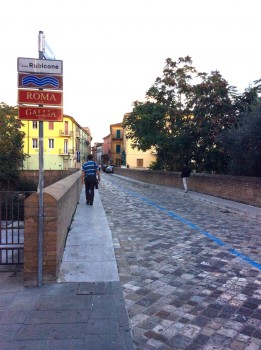 Savignano Sul Rubicone, Italy. October 2014 Savignano Sul Rubicone, Italy. October 2014
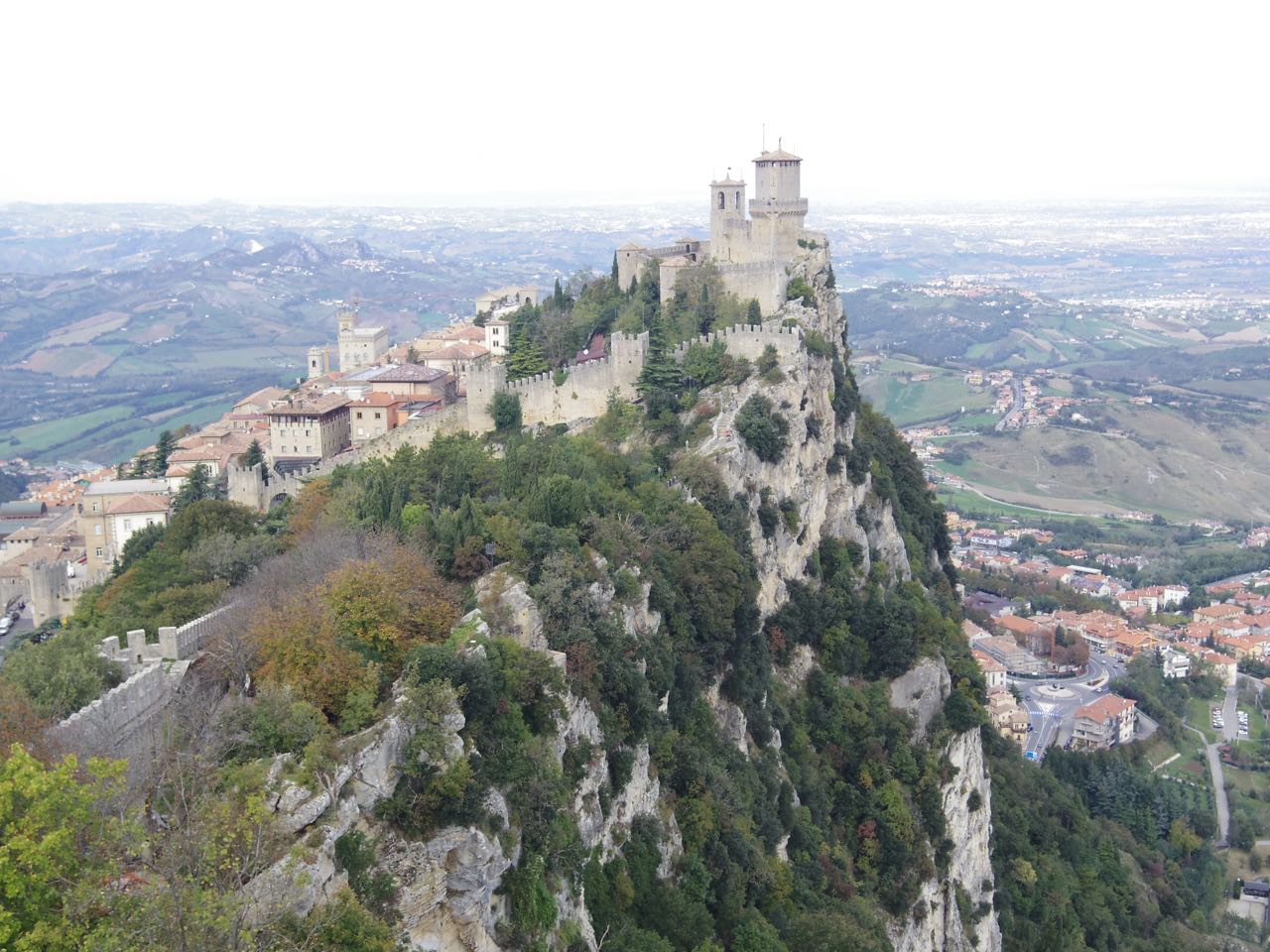
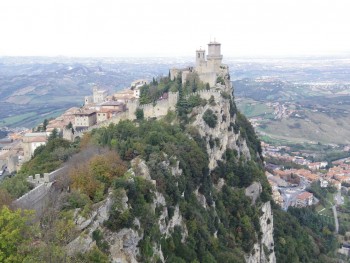 San Marino. October 2014 San Marino. October 2014
 Peoples Trotskyist Republic of Brighton. November 2014 Peoples Trotskyist Republic of Brighton. November 2014
 Valea Viilor, Transylvania. December 2014 Valea Viilor, Transylvania. December 2014
So here I am in Brittany, alternating between writing this and getting stuck into a New Year’s Eve feast, which explains any typos in what follows, and which is also making me ponder New Year resolutions. One of mine is to write rather more for Samizdata than I have been doing lately, which will not be hard. The idea was that resuming my Last Friday of the Month meetings, which I did in January 2013, would give me more to write about here, but the truth is that there is never any shortage of stuff to write about for Samizdata. The world abounds with good things and bad things, amusing things and annoying things. What sometimes fades is the will to write. But I’ll start as I mean to resume by writing a little about each of the speakers at my Last Friday meetings during this year. I hope these speakers will all agree that me now writing too little, too late, about their various excellent performances is better than nothing.
In January 2014, Alex Singleton spoke about his new book on PR, The PR Masterclass. Not the least of this book’s virtues is that it calls Public Relations Public Relations, rather than something more pompous and evasive. I did at least write here at the time about this book’s launch, which was a definite success, as is the book, packed as it is with what reads to me like lots of common-sense. Alex, however, is still a man worth hiring if you have a PR problem, because it is one thing to read a lot of common-sense in a book, quite another to be able to deploy it in the heat of a PR battle. Talking of the heat of a PR battle, Alex tells me that his next book is to be about Crisis Management. So, if your oil pipeline springs a leak, google Alex Singleton at once and hope that this book is by then available as a download, and that it starts with a short summary of all the wisdom that follows. Seriously, if you run a big organisation, buy this next Alex Singleton book as soon as it appears, and then give it more than a precautionary glance. You won’t be wasting any time, and you could save yourself and your underlings a world of grief.
In February, Dominic Frisby spoke about his then forthcoming book on Bitcoin, which has now forthcome. Our own Rob Fisher, who attended this talk, and who helped Dominic out with some technical details on the software front, later described the book in the first Amazon review of it (see the link above) as “concise, complete, correct, entertaining”. I first wrote, very admiringly, about Frisby and his writing here in this posting. My admiration for Frisby has not dimmed, and I very much hope that more Frisby books will follow.
→ Continue reading: My year in speakers
…does not appear to make the British state education system noticeably worse. Perhaps, you know, it’s not really a problem. Private schools are full of unqualified teachers and do fine. Despite Chris Husbands, the director of the Institute of Education, being quoted as saying that the dropping of the requirement for teachers to gain qualified teacher status in state-funded schools “flies in the face of evidence nationally and internationally”, no evidence is provided that teachers without a teaching qualification do any worse than their equivalents with one.
The Guardian commenters, waving their PGCE certificates in front of them as if to fend off vampires, come out with the usual “I would have soon had my children taught by an unqualified teacher as treated by an unqualified doctor.” I get so tired of that one. Commenter “latenightreader” replies:
I think you are being a bit melodramatic here. If your doctor is unqualified you can be dead within half an hour. If your mechanic has no idea what he is doing and you drive out of your garage and the brakes fail your whole family could be dead (plus pedestrians on the street, other drivers etc). If your teacher doesn’t have a formal qualification… well then your child might not end up as well-informed on a topic. Or they might as thousands of people leave private school yearly having got 3 As at A-level taught by unqualified teachers (that is why Gove borrowed the practice), and thousands more are homeschooled by parents who manage.
A commenter called “epidavros” also makes a good point:
They [compulsory teaching qualifications] also deter many from entering the profession who would be excellent. You are asking already qualified people, often with industry skills, to take a year with zero pay and added debt to change career.
|
Who Are We? The Samizdata people are a bunch of sinister and heavily armed globalist illuminati who seek to infect the entire world with the values of personal liberty and several property. Amongst our many crimes is a sense of humour and the intermittent use of British spelling.
We are also a varied group made up of social individualists, classical liberals, whigs, libertarians, extropians, futurists, ‘Porcupines’, Karl Popper fetishists, recovering neo-conservatives, crazed Ayn Rand worshipers, over-caffeinated Virginia Postrel devotees, witty Frédéric Bastiat wannabes, cypherpunks, minarchists, kritarchists and wild-eyed anarcho-capitalists from Britain, North America, Australia and Europe.
|












Recent Comments